





Now Reading: Tagore’s Literary Legacy Remembered Through Five Lesser-Known Facts
-
01
Tagore’s Literary Legacy Remembered Through Five Lesser-Known Facts


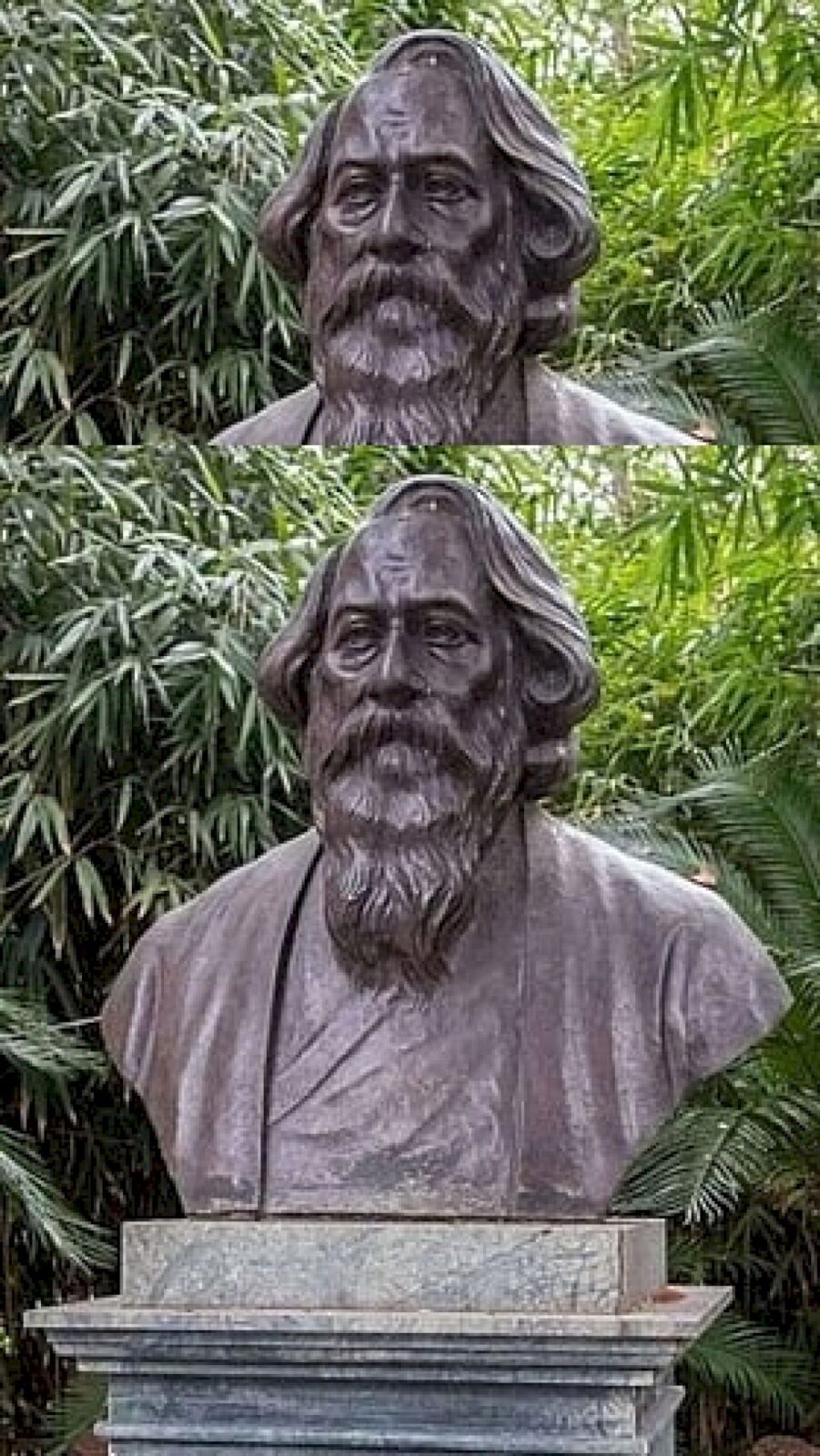
Rabindranath Tagore’s death anniversary has prompted a look at his life, work and influence. Born in Kolkata on May 7, 1861, he came from the influential Tagore family, known for contributions to…
The Story in Brief
Rabindranath Tagore’s death anniversary has prompted a look at his life, work and influence. Born in Kolkata on May 7, 1861, he came from the influential Tagore family, known for contributions to literature, art and social reform. He modernised Bengali literature through works including Gora, Ghare-Baire and Kabuliwala.
Free Press Journal reports that Tagore wrote India’s Jana Gana Mana and Bangladesh’s Amar Sonar Bangla. He founded Santiniketan as a school connecting India and the world. Sri Lanka’s national anthem is believed to have drawn from his literary and musical style. In 1919, Tagore renounced his British knighthood after the Jallianwala Bagh massacre.
The Indian Opinion
Tagore is often reduced either to a Nobel-winning poet or to the author of a national anthem. Both versions miss the breadth of his work as a novelist, philosopher, artist and educationist. Claims about his influence on Sri Lanka’s anthem should remain qualified, as the source itself says it is only believed. A useful test of remembrance is whether readers return to works such as Gora and Ghare-Baire, rather than repeat a handful of familiar facts.
Source: freepressjournal.in
This story was synthesised by AI from the source linked above.