















Now Reading: Tamil Nadu panel may set revenue reform template for India
-
01
Tamil Nadu panel may set revenue reform template for India



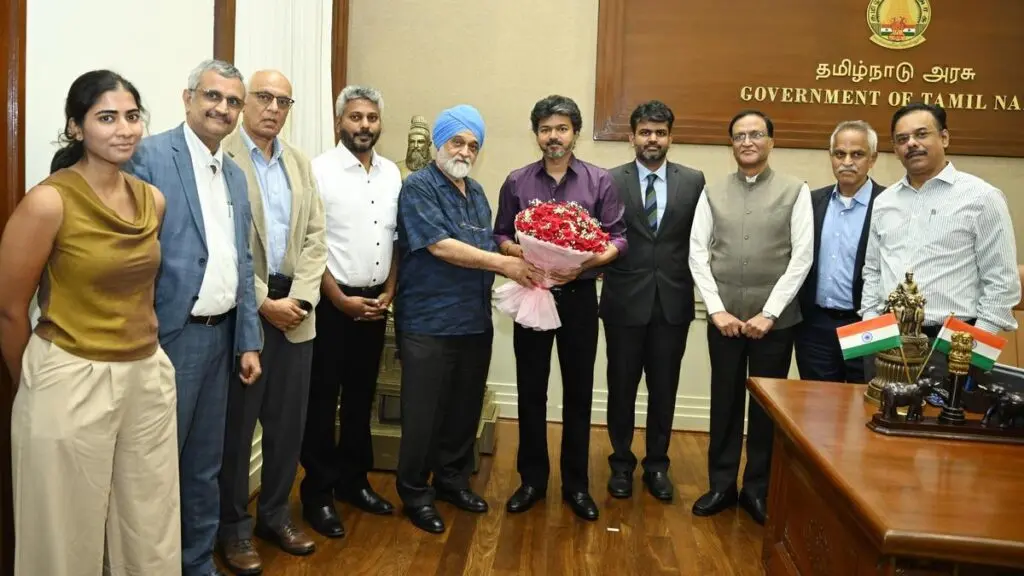
Tamil Nadu's decision to set up a high-level Revenue Augmentation Committee, chaired by Montek Singh Ahluwalia, could lead to a fundamental shift in how Indian states define and manage revenue. The panel has been tasked with recommending measures to boost own-tax and non-tax revenues, improve tax buoyancy, plug leakages, and increase fiscal self-reliance. Tamil Nadu's own-tax revenue has fallen from nearly 9% of GSDP in 2006-07 to a budgeted 6.2% in 2024-25, below Karnataka (6.9%) and Telangana (8.2%).
The state's non-tax revenue remains a weakness, accounting for only 7% of total revenue. The committee's first challenge is to clarify what counts as government revenue, distinguishing taxes and genuine non-tax income from borrowing and asset sales. Adopting the IMF's GFSM 2014 framework would make Tamil Nadu the first Indian state to align its fiscal reporting with international standards. The panel is also expected to focus on better tax administration and periodic review of user charges and royalties.
Indian Opinion Analysis
The core fiscal problem Tamil Nadu faces is structural: own-tax revenue has slid from over 10% of GSDP in the early 1990s to around 6.2% today, while borrowing fills the gap. The Ahluwalia committee's mandate to separate genuine revenue from financing transactions could force a more honest budget conversation across Indian states. Under the Constitution, states control most own-tax levers but have unevenly applied them. If Tamil Nadu publishes a supplementary GFSM-compliant account, it will create a benchmark the Finance Commission and the RBI can use to assess fiscal health. The key question is whether the panel will recommend binding timelines for database integration, especially linking GST with property and vehicle registries, which could add 1-2 percentage points of GSDP in revenue without raising rates. The committee's final report will be watched closely by other states facing similar revenue compression.
Source: thehindu.com
This brief was synthesised by AI from the source linked above. Methodology and corrections.