



















Now Reading: Tata Motors and Stellantis to develop vehicles in India for 50 global markets
-
01
Tata Motors and Stellantis to develop vehicles in India for 50 global markets

Tata Motors and Stellantis to develop vehicles in India for 50 global markets

The Story in Brief
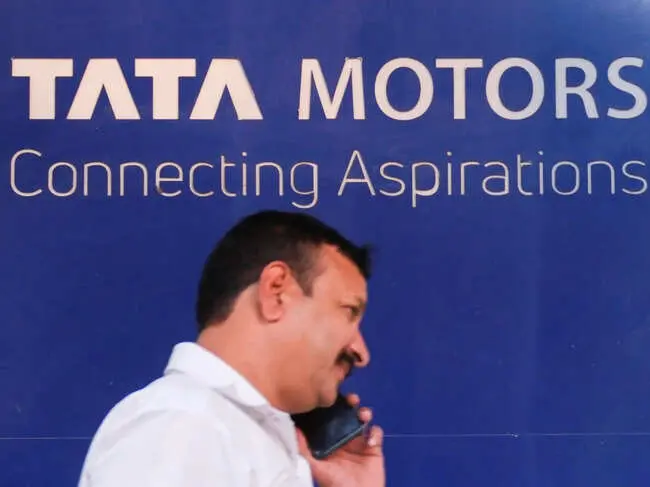
Tata Motors Passenger Vehicles (TMPV), its electric vehicle subsidiary Tata Passenger Electric Mobility, and Stellantis India signed a definitive agreement on 12 October to develop vehicles in India for more than 50 global markets. Under the deal, TMPV will provide its vehicle architecture and technology, which Stellantis will adapt for international customer, regulatory and operating requirements. Production will take place at Fiat India Automobiles Private Ltd in Ranjangaon, Pune, a 50:50 joint venture between the two companies. The Economic Times reports the first model will be a Jeep SUV based on Tata’s Argos platform, but News9Live and Forbes India note the companies have not announced a launch timeline, production volumes or specific brands. The agreement follows a memorandum of understanding signed in February 2026 on manufacturing, engineering and supply chains. Shailesh Chandra, managing director and CEO of TMPV, said the partnership has grown over more than two decades. The companies said the pact could expand exports and deepen India’s role in their global production networks.
Update, 14 October 2026: Forbes India adds analyst Puneet Gupta of Mobility Global calling the deal a good strategic move that will help reduce costs and increase export volumes. Forbes India also reports that Stellantis has invested over €1 billion in India and aims to ramp up production from 16,000 units annually to over 43,000 units by 2028. An Economic Times story on European automakers’ use of Chinese partnerships provides broader context but adds no new facts to this agreement.
Indian Opinion Analysis
All 11 sources report the same facts: a definitive agreement between Tata Motors Passenger Vehicles, Tata Passenger Electric Mobility and Stellantis India to develop vehicles in India for over 50 global markets, with manufacturing at the Ranjangaon joint venture. The Economic Times alone names the first model as a Jeep SUV on Tata's Argos platform, while News9Live and Forbes India note no launch timeline, production volumes or brands have been announced. Sources from Business Standard, The Hindu, CNBC-TV18, BusinessLine, and New Indian Express offer nearly identical straight news coverage, quoting the same executives. The Forbes India piece adds analyst commentary from Puneet Gupta of Mobility Global calling the deal a good strategic move for both automakers. The stories do not differ by stance, they are uniform straight news reporting. No government stance applies, as the story is a commercial agreement. The key open point remains the undisclosed launch timeline and model lineup.
Coverage: 11 sources, 11 neutral
Sources (11): business-standard.com (neutral report), thehindu.com (neutral report), cnbctv18.com (neutral report), economictimes.indiatimes.com (neutral report), thehindubusinessline.com (neutral report), business-standard.com (2) (neutral report), economictimes.indiatimes.com (2) (neutral report), newindianexpress.com (neutral report), news9live.com (neutral report), economictimes.indiatimes.com (3) (neutral report), forbesindia.com (neutral report)
This brief was synthesised by AI from the 11 sources linked above, so one read covers every framing they carry. Methodology and corrections.