












Now Reading: On National Handloom Day, designers experiment with traditional weaves
-
01
On National Handloom Day, designers experiment with traditional weaves


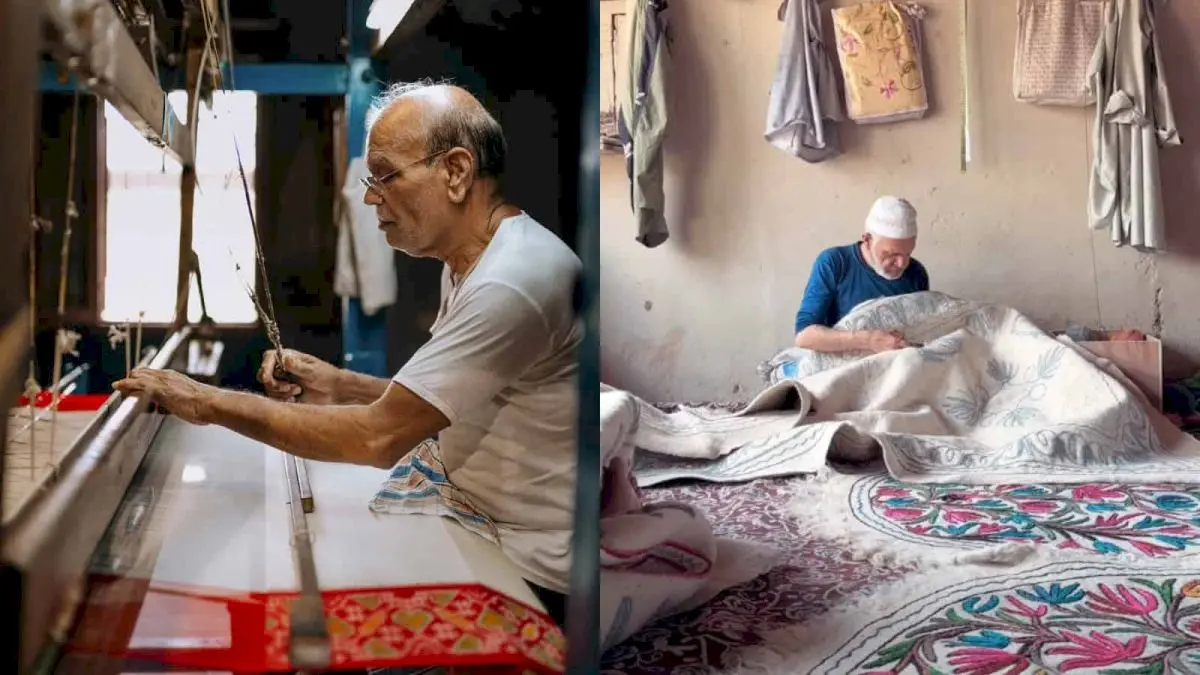
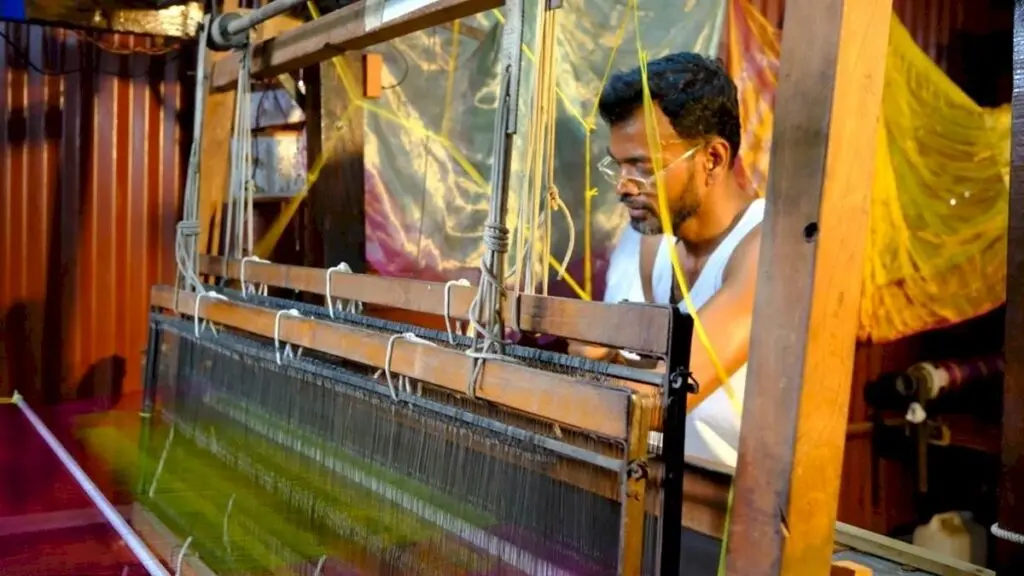
Today is National Handloom Day, marking the anniversary of the Swadeshi Movement on August 7. While the occasion celebrates iconic handloom weaves such as Kanchipuram silk, Banarasi brocade, and Pochampally Ikat, a…
The Story in Brief
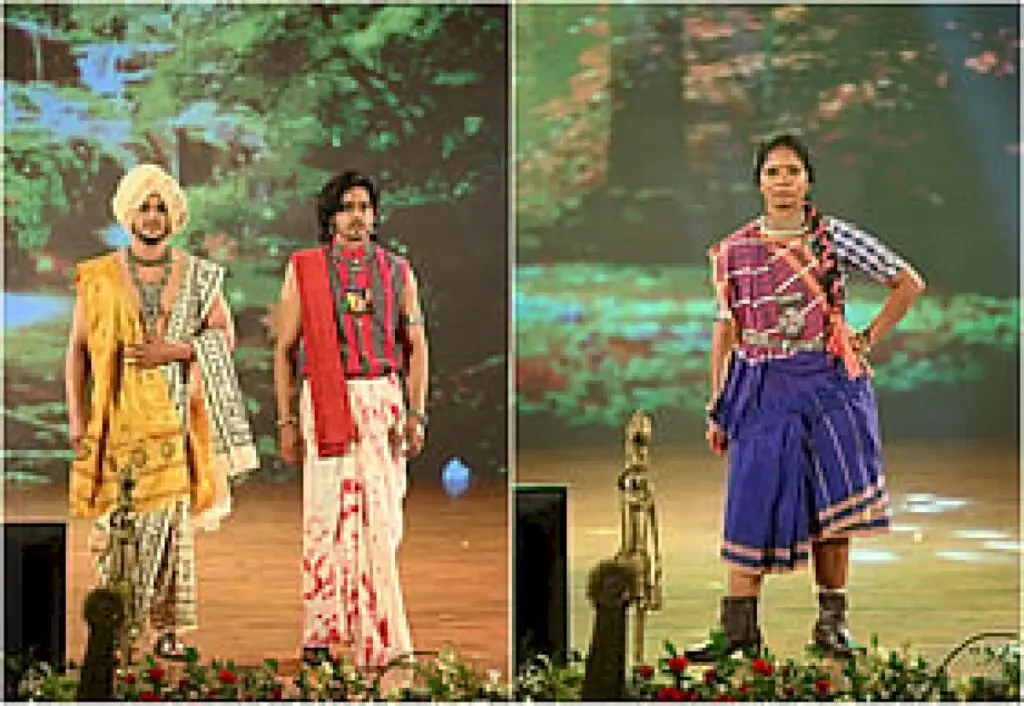
Today is National Handloom Day, marking the anniversary of the Swadeshi Movement on August 7. While the occasion celebrates iconic handloom weaves such as Kanchipuram silk, Banarasi brocade, and Pochampally Ikat, a new wave of designers is reimagining these textiles for everyday wear. The New Indian Express reports that designers like Diya John of Salt Studio are creating kasavu corset dresses and contemporary sarees using techniques like tick weft. Sreejith Jeevan’s brand Rouka uses appliqué to depict Kerala landscapes, while Jugalbandhi blends Chettinad tiles with Kerala cotton. Khadi India has also introduced a modern collection for younger buyers.


The Indian Opinion
It is easy to assume handloom is dying or stuck in festivity. But these designers prove innovation is alive, blending tradition with modern silhouettes. Yet the real test lies beyond fashion weeks. Most consumers still struggle to distinguish handloom from powerloom, and authentic weaves remain costly. Will the new designs translate into sustainable livelihoods for weavers, or remain niche? That is the number to watch.
Sources (2): siasat.com, newindianexpress.com
This story was synthesised by AI from the 2 sources linked above.
Updated: this story now draws on 2 sources.