








Now Reading: Rajasthan farmer loses Rs 5 lakh to termites after hiding cash in field
-
01
Rajasthan farmer loses Rs 5 lakh to termites after hiding cash in field


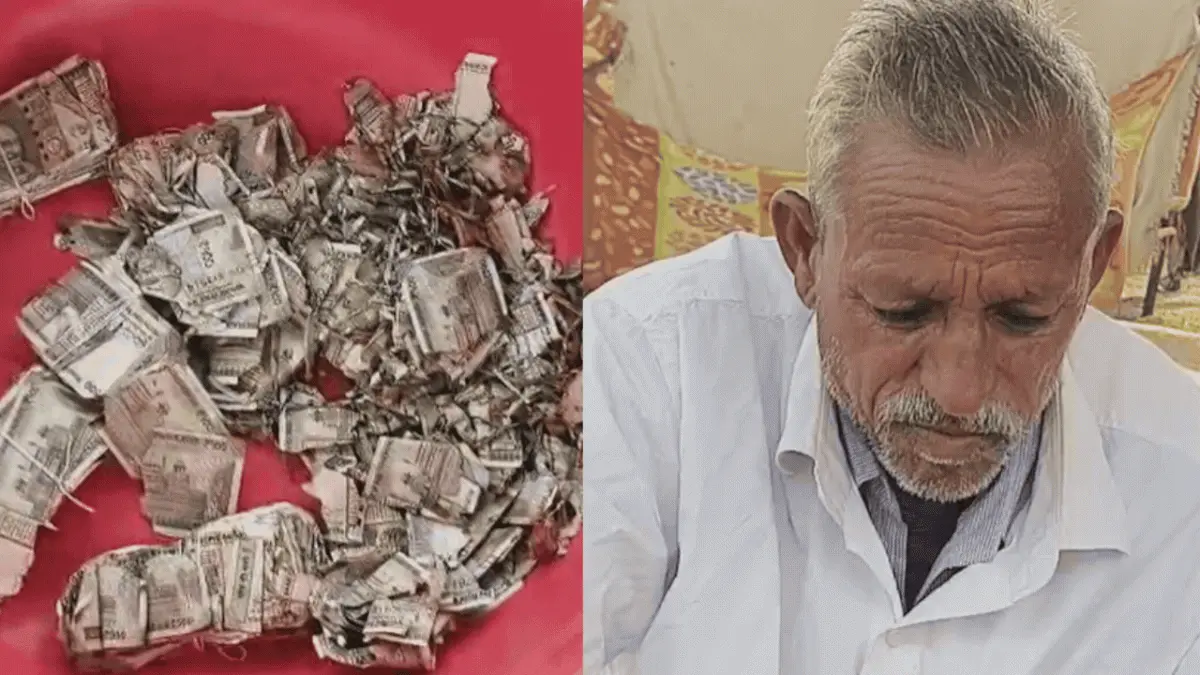
Mangilal Meghwal, a farmer in Balotra district, Rajasthan, lost Rs 5 lakh when termites ate the banknotes he had buried in his 10-bigha field nearly a year ago. He had hidden the…
The Story in Brief
Mangilal Meghwal, a farmer in Balotra district, Rajasthan, lost Rs 5 lakh when termites ate the banknotes he had buried in his 10-bigha field nearly a year ago. He had hidden the cash in a plastic bag at night after selling a plot, fearing his family would steal or spend it. When he later forgot the exact spot, even his family's search failed. A tractor unearthed the bag during monsoon ploughing, but the family found only shredded Rs 500 notes swarming with termites.
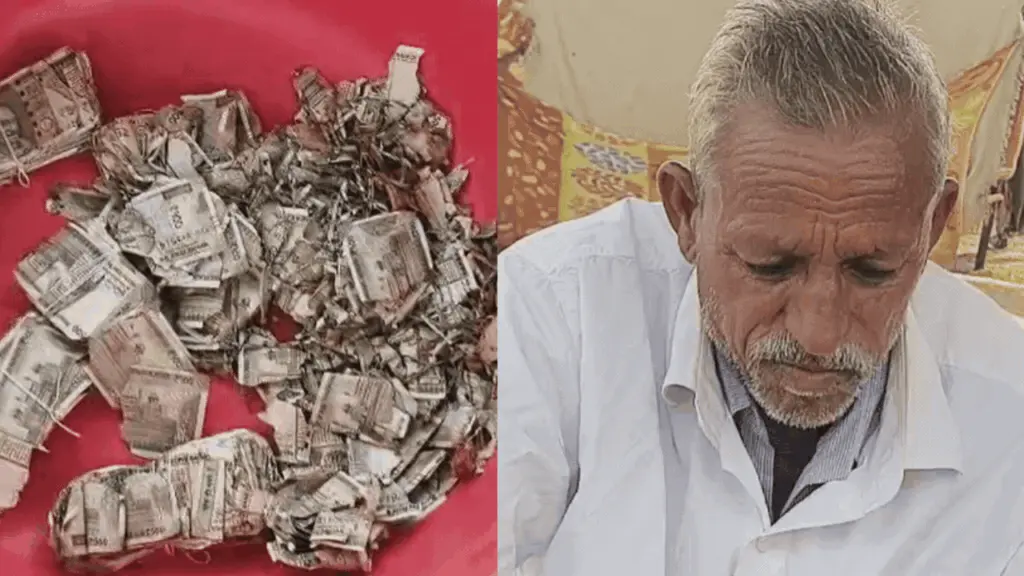
The State Bank of India branches in Pachpadra and Balotra refused the damaged notes, advising the family to go to Jaipur. The family says they lack money and awareness for the trip. Meghwal now regrets his decision, and his wife broke down on seeing the loss.
The Indian Opinion
Stories like this fuel two lazy narratives: that rural Indians are financially illiterate, and that banks are indifferent. Neither is the full picture. Mangilal Meghwal acted on a real fear, many rural households distrust formal banking. But the family's inability to travel to Jaipur for a currency exchange reveals a genuine gap: the RBI's note exchange rules are useless if the nearest accepting branch is 400 km away. Will the State Bank of India now send a mobile branch or make an exception? That is the test.
Sources (2): timesnownews.com, freepressjournal.in
This story was synthesised by AI from the 2 sources linked above.
Updated: this story now draws on 2 sources.