


















Now Reading: Textile industry targets $350 bn by 2030, cotton duty exemption likely extended to December
-
01
Textile industry targets $350 bn by 2030, cotton duty exemption likely extended to December

Textile industry targets $350 bn by 2030, cotton duty exemption likely extended to December

The Story in Brief
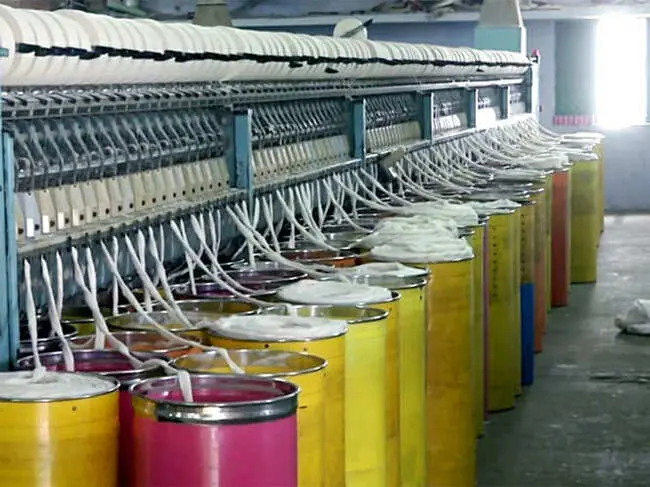
India is expected to extend duty-free cotton imports for two more months through December, three government and industry sources said. The move would extend the 11% customs duty waiver, which runs from June 1 to October 31, as domestic cotton prices remain firm above Rs 9,000 per 100 kg amid lower output prospects. India’s cotton output is likely to fall below 29 million bales in 2026-27 against demand of more than 34 million bales, according to trade estimates.
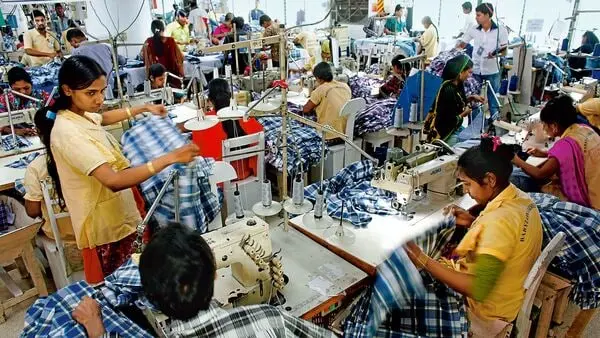
Meanwhile, the textile industry expanded to nearly $190 billion in FY26 and targets $350 billion by 2030, a Rubix Data Sciences report said. Textile exports including handicrafts grew 10.3% year-on-year in April-August 2026. The government is considering a Rs 400-billion five-year Textile Expansion and Employment (TEEM) Scheme. Cotton yarn prices rose 60% to Rs 400 per kg in September 2026 from Rs 250 per kg in early 2026. The inter-ministerial consultation on the duty extension is complete, an order is expected soon.
Indian Opinion Analysis
The Economic Times coverage stands apart: it leads with the textile industry’s $350-billion target and the proposed TEEM scheme, framing the duty exemption as one cost-support measure among many growth drivers. The other three outlets (CNBC-TV18, Business Standard, The Hindu Business Line) run substantially identical wire copy that centres entirely on the expected two-month extension of duty-free cotton imports, giving no weight to the wider sector target or investment plans. All four agree on the core facts, $190-billion industry size, 10.3% export growth, the 11% duty waiver ending 31 October, and on the government’s likely extension through December. The pro-growth framing of The Economic Times omits the downside noted elsewhere: that a longer duty-free window could weigh on domestic prices and does not address the structural seed-technology bottleneck that farmers face.
Coverage: 2 sources, 2 neutral
Sources (2): economictimes.indiatimes.com (neutral report), Syndicated copy (carried by cnbctv18.com, business-standard.com, thehindubusinessline.com)
This brief was synthesised by AI from the 2 sources linked above, so one read covers every framing they carry. Methodology and corrections.