










Now Reading: Pradhan resigns as education minister after NEET protests
-
01
Pradhan resigns as education minister after NEET protests


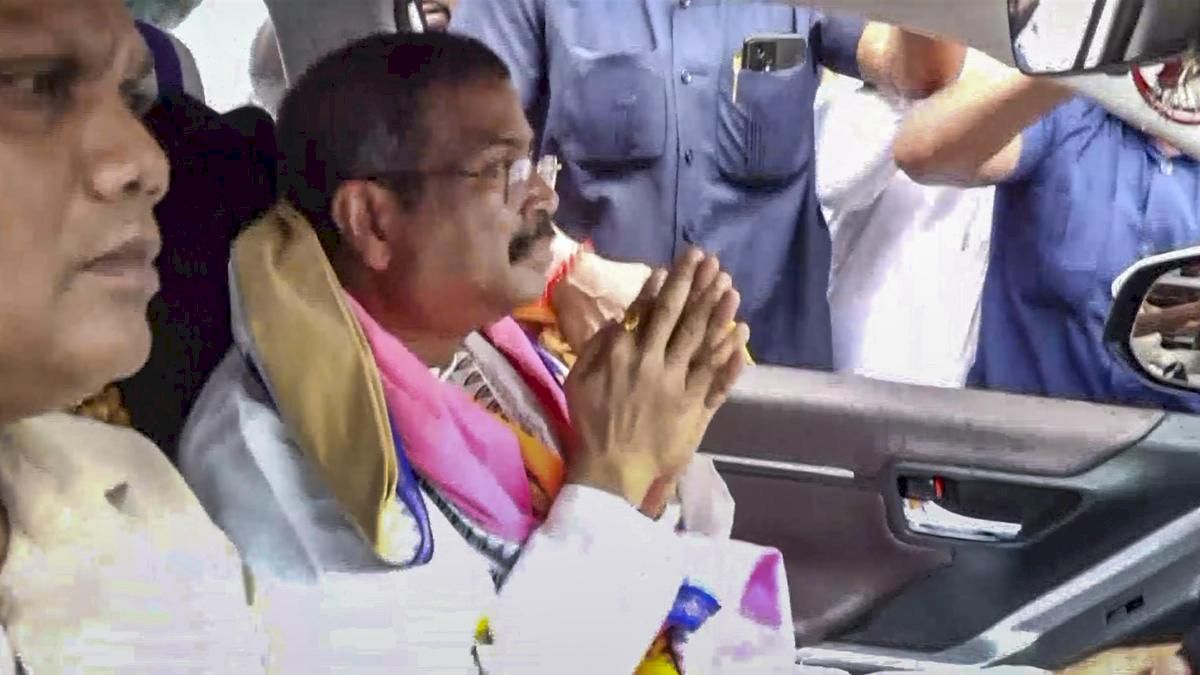
Dharmendra Pradhan resigned as Union education minister following weeks of student protests over a NEET paper leak that affected millions of young candidates. The resignation came after the government initially refused to…
The Story in Brief
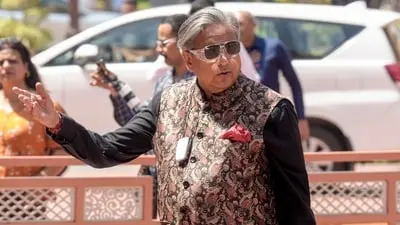
Dharmendra Pradhan resigned as Union education minister following weeks of student protests over a NEET paper leak that affected millions of young candidates. The resignation came after the government initially refused to entertain the demand, but protesters at Jantar Mantar persisted. Congress MP Shashi Tharoor called the move a “rude wake-up call” for the ruling party, which has rarely allowed a minister to quit due to public pressure. Tharoor urged political leaders to listen to the concerns of young voters, who will form the largest voting bloc by 2029.
The resignation has revived debate on ministerial accountability. An opinion piece in The Hindu cited the example of Lal Bahadur Shastri, who resigned as railway minister after a train accident, and argued that a political head must accept responsibility for systemic failures under their charge, even without personal culpability. The government has not commented on whether the resignation sets a precedent.
The Indian Opinion
The resignation is being hailed as a victory for student protests, but the real test is whether it establishes a lasting norm of ministerial accountability or remains a one-off concession. If the government treats it as an isolated incident, the deeper rot in examination systems will persist. The question is not whether Pradhan personally leaked papers, but whether future ministers will also be held responsible for systemic failures. Watch if the government now reforms the examination agency or merely waits for the next crisis.
Sources (2): thehindu.com, hindustantimes.com
This story was synthesised by AI from the 2 sources linked above.
Updated: this story now draws on 2 sources.