












Now Reading: TN 4-year degree plan faces student, faculty backlash
-
01
TN 4-year degree plan faces student, faculty backlash



The Tamil Nadu government’s plan to introduce four-year undergraduate programmes faces strong opposition from student bodies and faculty. Critics argue that poor infrastructure, massive teacher vacancies, and a lack of vice-chancellors in…
The Story in Brief
The Tamil Nadu government’s plan to introduce four-year undergraduate programmes faces strong opposition from student bodies and faculty. Critics argue that poor infrastructure, massive teacher vacancies, and a lack of vice-chancellors in state universities make implementation impractical. J. Sebastin of AIDSO says a longer programme may push more students out of higher education, especially as over half of higher secondary graduates currently seek employment instead of college.
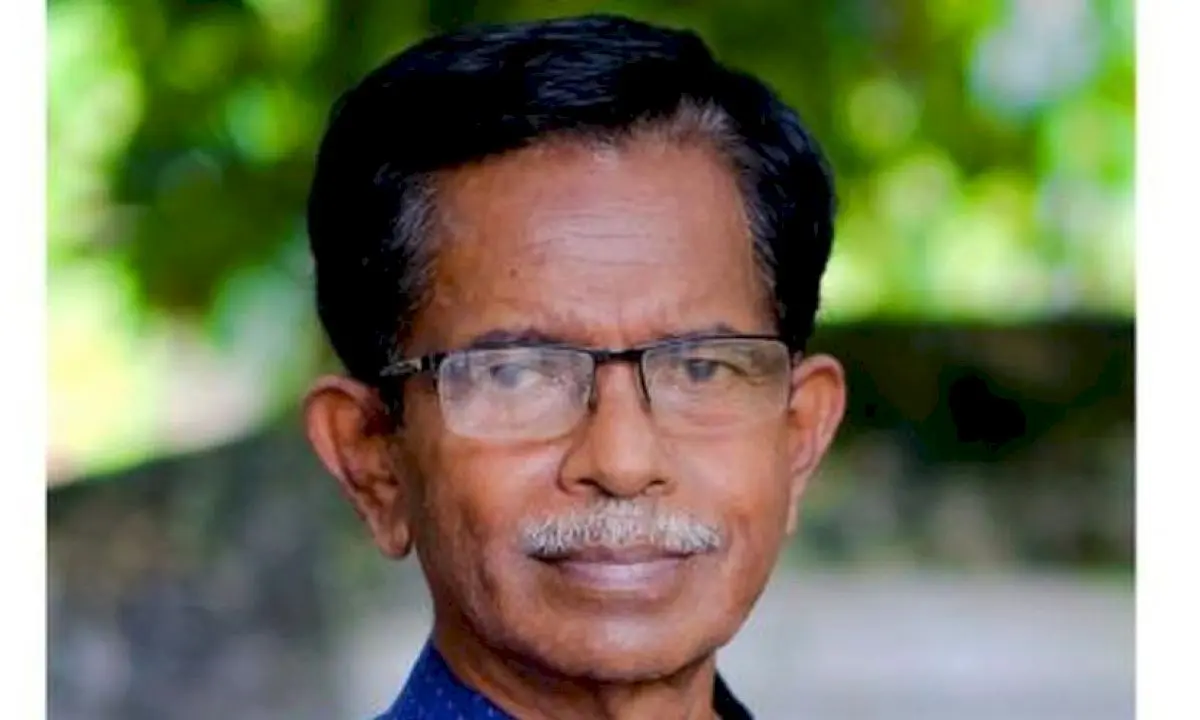
The All India Save Education Campaign warns the move will create a two-tier system, with three-year degree holders facing discrimination in jobs. Opponents also point out the DMK government's hypocrisy: it officially rejected the National Education Policy 2020 but now proposes a key NEP feature. Former State Planning Commission member K. Jothi Sivagnanam tells The Hindu that syllabus, exams, and pedagogy would need a complete overhaul first.
The Indian Opinion
The DMK government opposes NEP 2020 in Delhi but embraces its four-year degree model at home. That contradiction feeds the charge of duality. Students rightly ask: with thousands of teacher vacancies and crumbling infrastructure, how will the state deliver? The government must clarify whether the Honours degree will become the de facto standard for jobs. A clear answer on employability, not just course duration, will settle whether this is reform or confusion.
Source: thehindu.com
This story was synthesised by AI from the source linked above.