










Now Reading: Touch-and-feel gallery lets visually impaired ‘see’ India’s heritage
-
01
Touch-and-feel gallery lets visually impaired ‘see’ India’s heritage



A new inclusive heritage gallery, 'Heritage at My Fingertips', is allowing visitors with visual impairment to experience India's monuments through touch, sound and audio descriptions. Developed by Saksham in collaboration with the ministry of culture and the National Museum, the gallery features 41 tactile 3D and 2D replicas of heritage structures from all 28 states and eight Union Territories, including lesser-known sites from the Northeast.
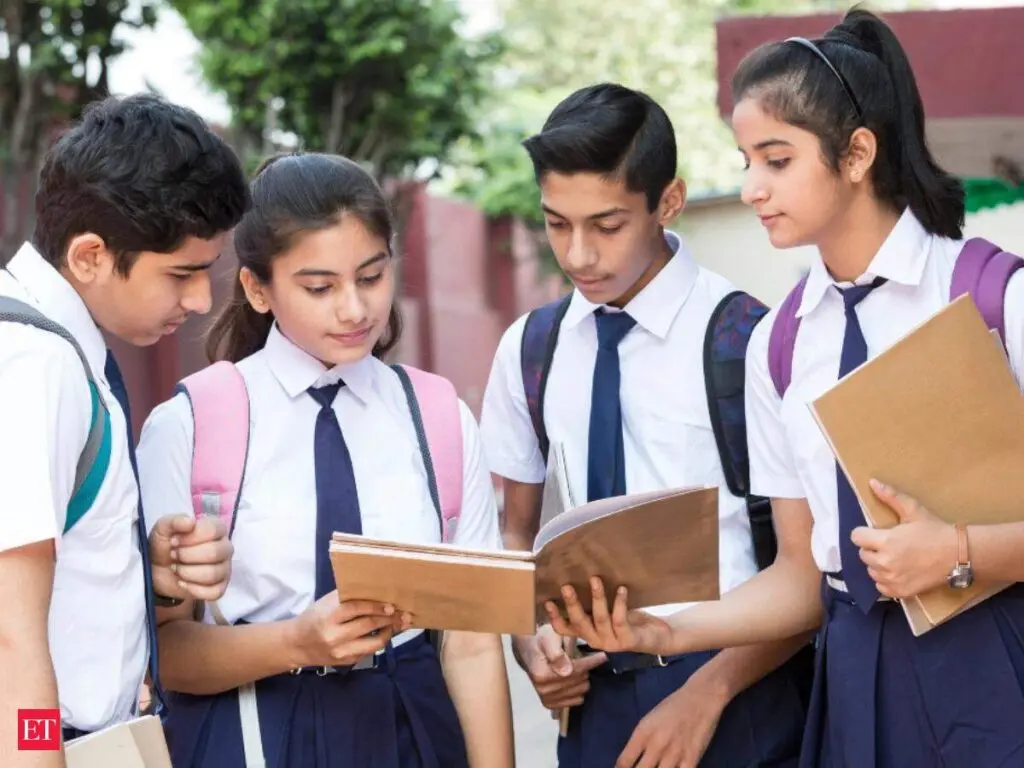
Students from Class VII, including Kartik, said they could now visualise parts of Nagaland and Mizoram they had only studied in textbooks. Another visitor, Imran, said touching a replica of Hawa Mahal helped him finally understand why it is called the 'Palace of Winds'. The gallery includes Braille labels, large-print information, tactile floor maps and audio descriptions.
The museum is now developing a similar tactile station for its Harappan gallery, with plans for further accessible interventions. 'We don't want segregation,' said curator Rige Shiba, adding that any visitor can use the exhibits.
Indian Opinion Analysis
The gallery addresses a long-standing gap: India's museums, built around visual display, have largely excluded the 5 crore people with visual impairments. Under the Rights of Persons with Disabilities Act 2016, government institutions are required to ensure accessibility, but implementation remains uneven. The tactile replicas, covering all states, also counter the standard Delhi-Agra-Jaipur tourist circuit by featuring underrepresented heritage, particularly from the Northeast. The National Museum's next step, a tactile station in the Harappan gallery, will test whether this becomes a permanent shift rather than a one-off exhibition. With no admission fee for the gallery, the real measure of impact will be repeat visits and feedback from the disability rights community.
The museum's next step, a tactile station in the Harappan gallery, will test whether this becomes a permanent shift. With no admission fee for the gallery, the real measure of impact will be repeat visits and feedback from the disability rights community.
Source: timesofindia.indiatimes.com
This brief was synthesised by AI from the source linked above. Methodology and corrections.