












Now Reading: Trump asks US Supreme Court to allow third-country deportations
-
01
Trump asks US Supreme Court to allow third-country deportations


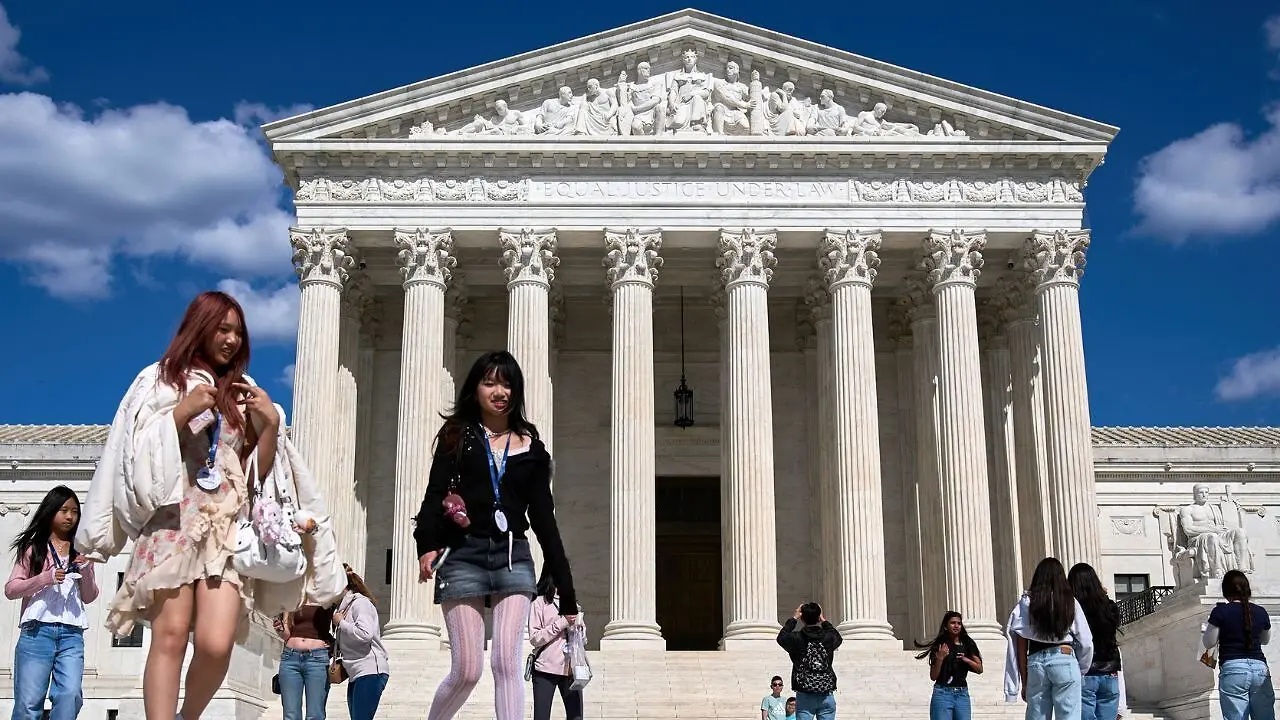
The Donald Trump administration has asked the US Supreme Court to allow fast deportations of immigrants to third countries where they have no ties. The Department of Justice filed an emergency appeal…
The Donald Trump administration has asked the US Supreme Court to allow fast deportations of immigrants to third countries where they have no ties. The Department of Justice filed an emergency appeal on Thursday, arguing that lower-court restrictions have disrupted deportation flights and left more than 1,400 people with final removal orders in the US. The government says some face deportation after convictions for crimes including murder and rape, and could be released if not removed.
The case concerns so-called third-country removals, where people are sent to a country not their own. The administration says such arrangements have been used by multiple administrations because some countries refuse to accept deportees. The government has reached agreements with nearly two dozen countries, including South Sudan, Equatorial Guinea and Panama.
The First US Circuit Court of Appeals late Wednesday lifted an existing stay, allowing a district court restriction to take effect again. The government says at least one deportation flight to three countries was cancelled. Solicitor General D. John Sauer argues there is no realistic risk of persecution in third countries. Human rights groups and plaintiffs' lawyers dispute this, citing reports of deportees beaten and held at gunpoint in Equatorial Guinea.
Indian Opinion Analysis
The three sources report the same core facts but differ in emphasis. Times Now leads with the administration's claim that 1,400 people with criminal convictions could be released, framing the issue as a public safety concern. India Today highlights that deportees must be given a chance to object before being sent to third countries, and includes details of alleged abuse in Equatorial Guinea, a critical framing. NDTV is brief and neutral, focusing on the number of destination countries. The balanced reading: the core legal dispute is whether the executive can bypass individual screening. The Supreme Court will decide if lower court orders on due process stand.
Coverage: 3 sources, 1 pro-government, 1 government-critical, 1 neutral
Sources (3): timesnownews.com (pro government), indiatoday.in (government critical), ndtv.com (neutral report)
This brief was synthesised by AI from the 3 sources linked above, so one read covers every framing they carry.
Updated: this story now draws on 3 sources.