











Now Reading: Trump lets private firms conduct cyber operations against foreign criminals
-
01
Trump lets private firms conduct cyber operations against foreign criminals

Trump lets private firms conduct cyber operations against foreign criminals

President Donald Trump has signed a memorandum authorising private companies to carry out cyber operations against transnational criminal organisations operating outside the United States, the White House said on Wednesday. The directive…
The Story in Brief
President Donald Trump has signed a memorandum authorising private companies to carry out cyber operations against transnational criminal organisations operating outside the United States, the White House said on Wednesday. The directive allows vetted firms to use cyber tools to identify, surveil and disrupt foreign criminal networks under the oversight of the Departments of Justice and Homeland Security. The White House cited ransomware attacks and financial frauds as targets.
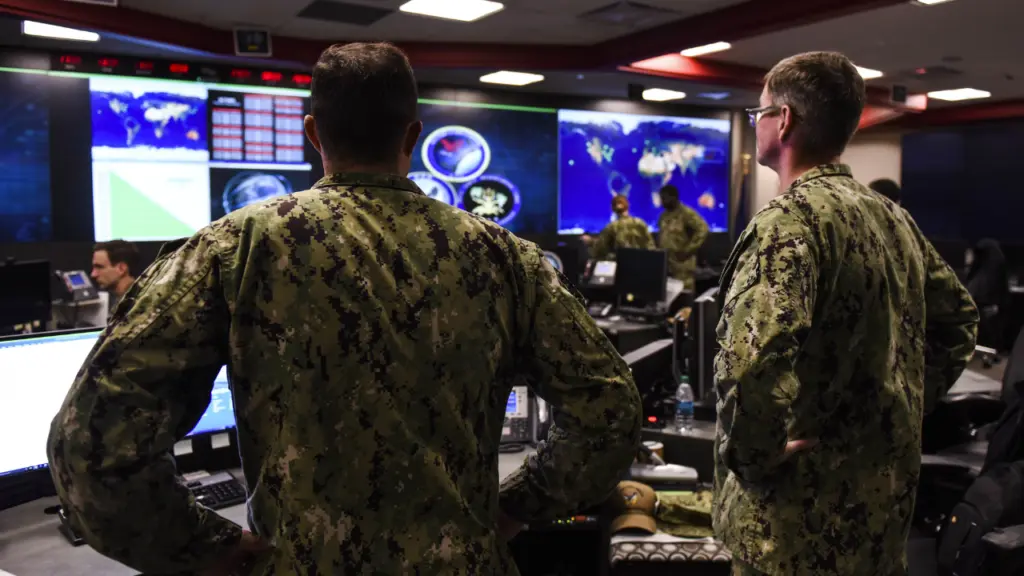
Former US cyber officials have raised concerns. Andrew Schoka, a former Army officer at US Cyber Command, told Times Now that the risk is "a bunch of cyber privateers running around without any clear coordination." Cynthia Kaiser, a former senior FBI cyber official, warned that details on liability protections and oversight would be critical. The memorandum provides legal review for operations directed at US persons but has drawn questions about safeguards for broader activities.
The Indian Opinion
The memorandum tries to harness private sector speed against foreign cybercriminals, but the narrative that this is either a bold innovation or a dangerous privatisation misses the real issue. Neither side is wrong about the risks: deconfliction is already hard among government agencies, and private firms will expect legal cover. The test is whether the programme defines clear lines of responsibility and liability before something goes wrong. If a private operation accidentally hits a hospital, who pays? That question will answer itself.
Sources (2): deccanherald.com, timesnownews.com
This story was synthesised by AI from the 2 sources linked above.
Updated: this story now draws on 2 sources.