







Now Reading: Tungabhadra dam, built with young nation’s hope, faces silt crisis
-
01
Tungabhadra dam, built with young nation’s hope, faces silt crisis


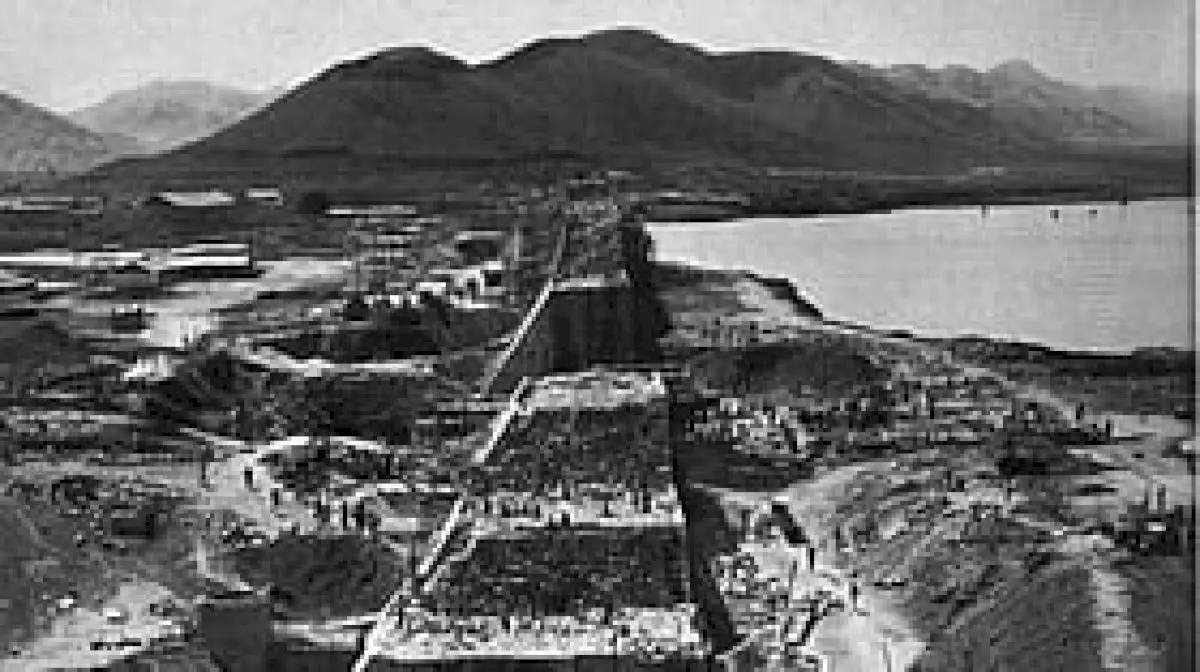
The Tungabhadra dam, one of India's largest masonry dams and a post-independence engineering marvel, now faces a severe silt accumulation threat. Built between 1947 and 1952 at a cost of about Rs…
The Story in Brief
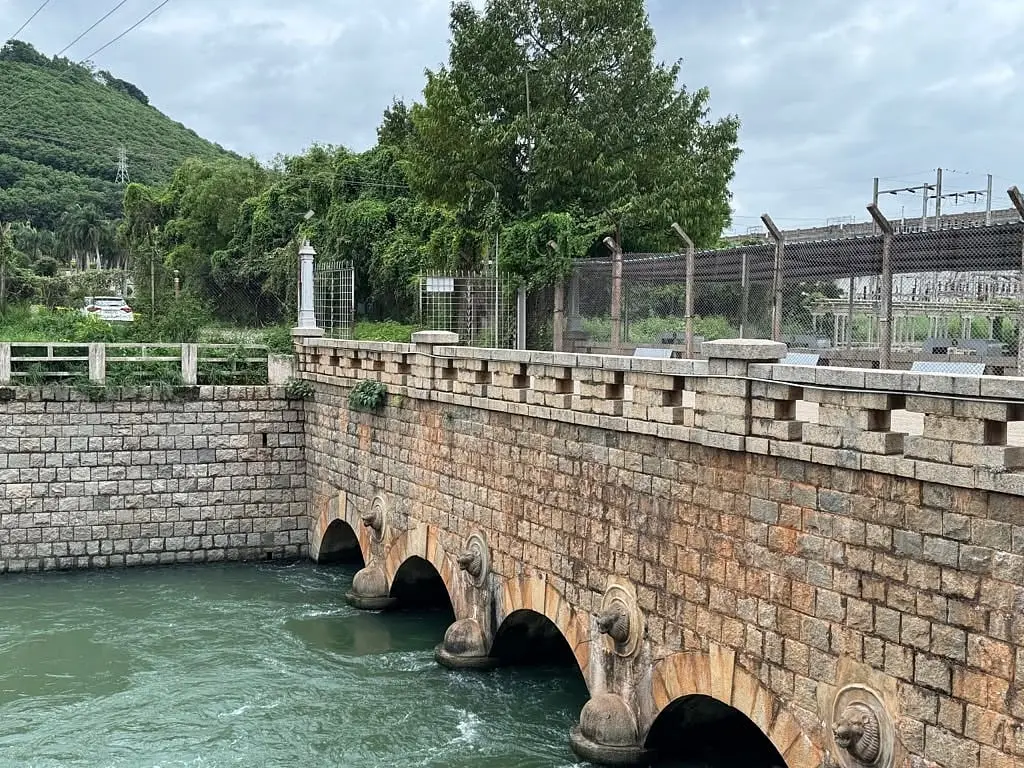
The Tungabhadra dam, one of India's largest masonry dams and a post-independence engineering marvel, now faces a severe silt accumulation threat. Built between 1947 and 1952 at a cost of about Rs 35 crore (roughly Rs 7,000 crore today), the dam stretches 6,007 feet and irrigates about 16 lakh acres across Karnataka, Andhra Pradesh and Telangana. Its 72 MW hydropower capacity can power about eight lakh homes.

The dam's construction was a joint venture between the Madras Presidency and Hyderabad princely state, with nearly 30,000 labourers working daily. Women carried 20-pound trays of wet earth on their heads, earning about one rupee a day. But over 73 years, rapid silt buildup now demands modern solutions such as hydraulic dredging and sediment bypass tunnels. Deccan Herald reports that government lethargy and multiple state jurisdictions have delayed a practical solution.
The Indian Opinion
The usual narrative pits 'Karnataka vs Andhra' over water sharing, but the real enemy here is silt, not the neighbour. The dam's builders, British engineers, Madras ministers, Hyderabad princes, showed more urgency feeding a young nation than today's three states show clearing a clogged reservoir. The question is not who gets how much water, but whether any of them will spend a rupee on hydraulic dredging before the canal networks choke entirely.
Source: deccanherald.com
This story was synthesised by AI from the source linked above.