










Now Reading: UPI to charge 0.4% MDR on payments above Rs 2,000 from October 2026
-
01
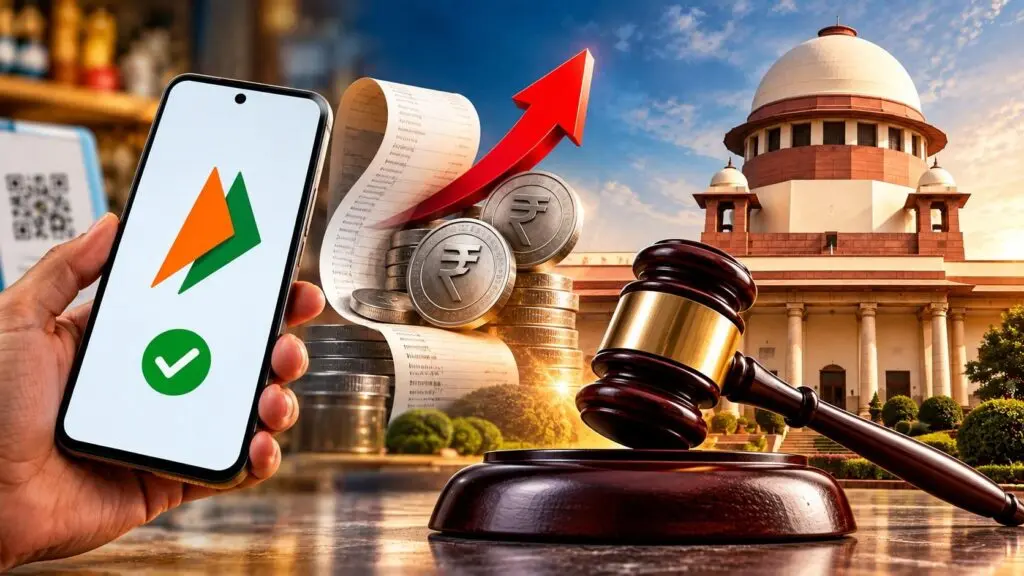
UPI to charge 0.4% MDR on payments above Rs 2,000 from October 2026


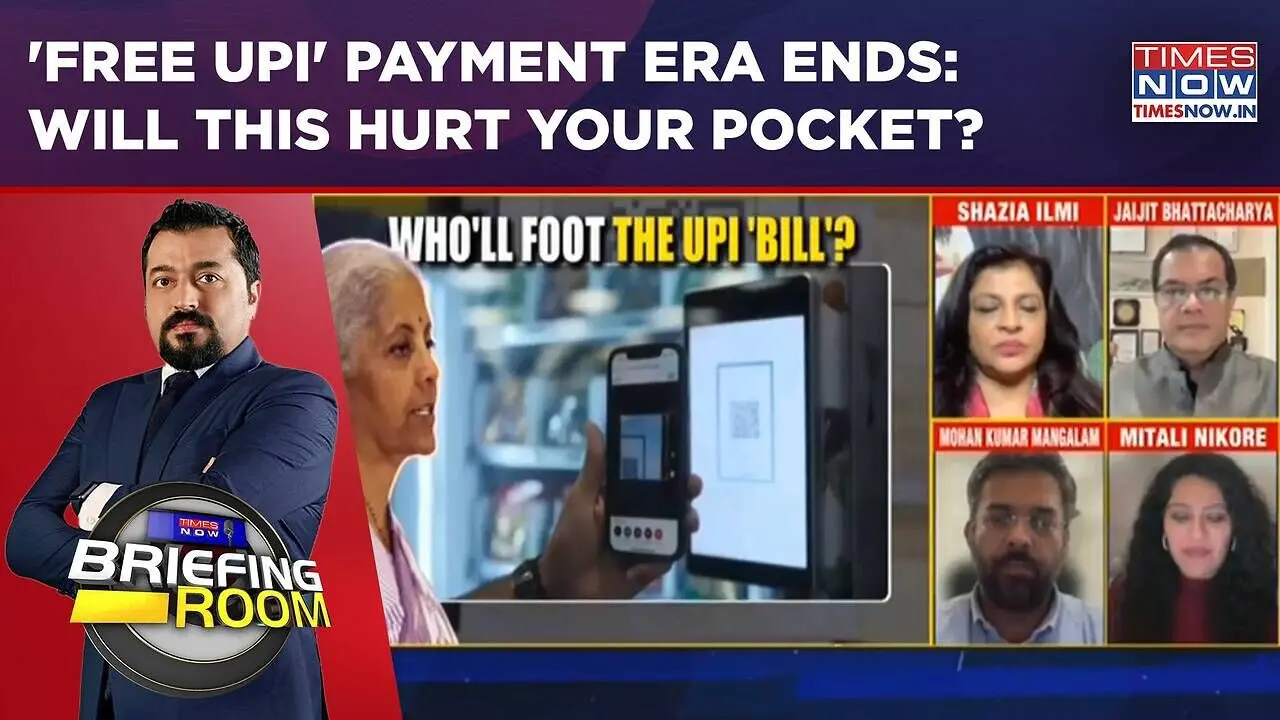
The government has notified that no fees can be charged on UPI transactions up to Rs 2,000, but a Merchant Discount Rate (MDR) of 0.4% will apply on person-to-merchant payments above that…
The government has notified that no fees can be charged on UPI transactions up to Rs 2,000, but a Merchant Discount Rate (MDR) of 0.4% will apply on person-to-merchant payments above that threshold, effective from October 15, 2026. For transactions of Rs 75,000 and above, the MDR is capped at Rs 300. The FAQ released on September 15 says around 96% of P2M transactions will remain unaffected, as most are under Rs 2,000.
The MDR is not a tax but is distributed among banks and payment apps to support infrastructure, cybersecurity and innovation. A dedicated fund will subsidise digital payment expansion in Tier 3 to Tier 6 centres and small merchant onboarding. The detailed framework will be finalised in consultation with the RBI within three months. Times Now reports that the move has sparked political debate, with Congress criticising the government. NDTV clarifies that customers pay nothing directly.
Indian Opinion Analysis
Times Now frames the MDR announcement as a political battle, leading with Congress's criticism and calling it the end of free UPI. Economic Times and NDTV stick to the official FAQ, emphasising that 96% of transactions stay free and that charges start only from October 2026. Times Now overstates immediate consumer impact by focusing on the Rs 2-300 range without the cap context. The balanced take: the policy mostly shields small users, but the 0.4% charge on larger P2M payments could affect businesses and high-value users starting late 2026. The RBI and NPCI will finalise the fund details in three months.
Coverage: 4 sources, 1 government-critical, 2 neutral, 1 sensationalist
Sources (4): ndtv.com (neutral report), timesnownews.com (sensationalist), timesnownews.com (2) (government critical), m.economictimes.com (neutral report)
This brief was synthesised by AI from the 4 sources linked above, so one read covers every framing they carry.
Updated: this story now draws on 4 sources.