




Now Reading: US crypto clarity push pressures India to regulate VDAs
-
01
US crypto clarity push pressures India to regulate VDAs


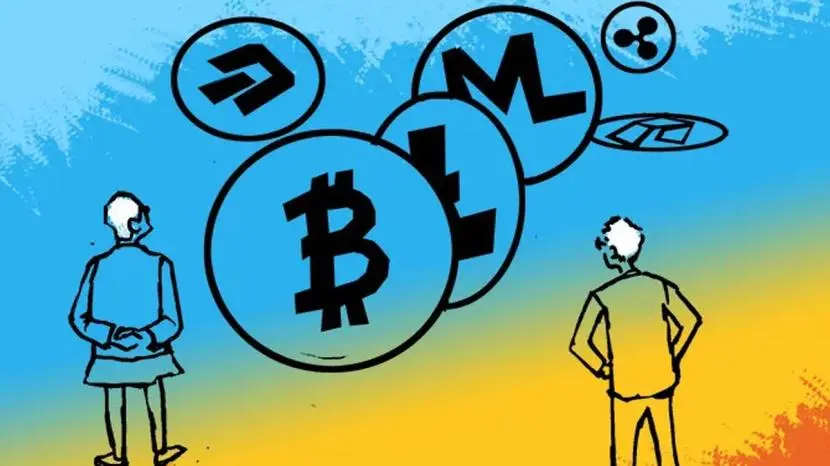
The US Senate is advancing the Digital Asset Market Clarity Act, a Bill that aims to create a clear regulatory framework for digital commodities and define the roles of the SEC and CFTC. The legislation, passed by the US House in July, has prompted Indian policymakers to accelerate their own efforts to regulate virtual digital assets (VDAs).
In India, a parliamentary standing committee on finance has recommended a comprehensive statutory framework for VDAs and cryptocurrencies. Pending such legislation, the panel has proposed an interim mechanism through self-regulatory organisations (SROs) under a designated regulator's oversight. Industry experts say the US move offers a global benchmark for balancing consumer protection, anti-money laundering compliance, and innovation.
India currently taxes VDAs and includes crypto entities under anti-money laundering rules, but lacks a full statutory framework for issuance, trading, and investor protection. The parliamentary panel warned that the regulatory vacuum exposes investors to fraud and market manipulation. The US Bill is expected to face a procedural vote on September 15.
Indian Opinion Analysis
The US legislation provides India with a concrete template to follow, but the real challenge lies in adapting it to local conditions. India's crypto adoption rate is among the highest globally, yet regulatory uncertainty has driven many startups offshore. The parliamentary panel's suggestion of an SRO-based interim mechanism is a pragmatic step, but it risks creating fragmentation if multiple SROs emerge with conflicting standards. The upcoming US Senate vote on September 15 will be a key signal for Indian regulators to watch, as it could accelerate or delay domestic rulemaking depending on the outcome.
Source: rediff.com
This story was synthesised by AI from the source linked above. Methodology and corrections.