














Now Reading: US scientists tag sharks to help forecast hurricanes
-
01
US scientists tag sharks to help forecast hurricanes


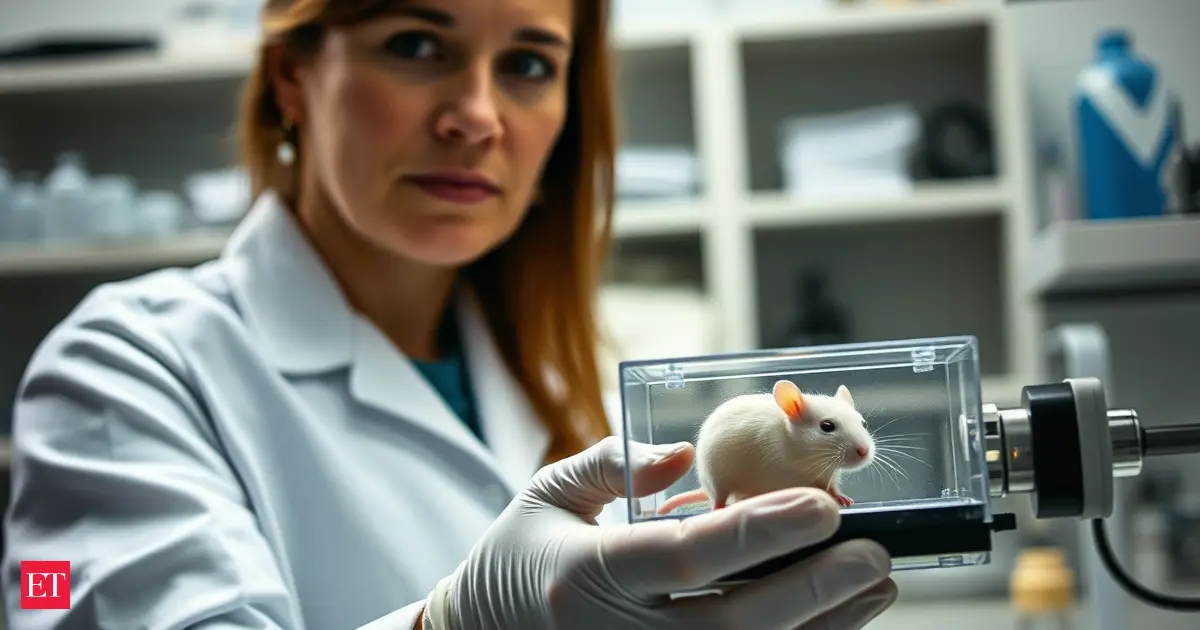
University of Delaware researchers are attaching small electronic tags to sharks off the US East Coast to gather ocean data that could improve hurricane intensity forecasts. The CTD tags measure water conductivity,…
The Story in Brief
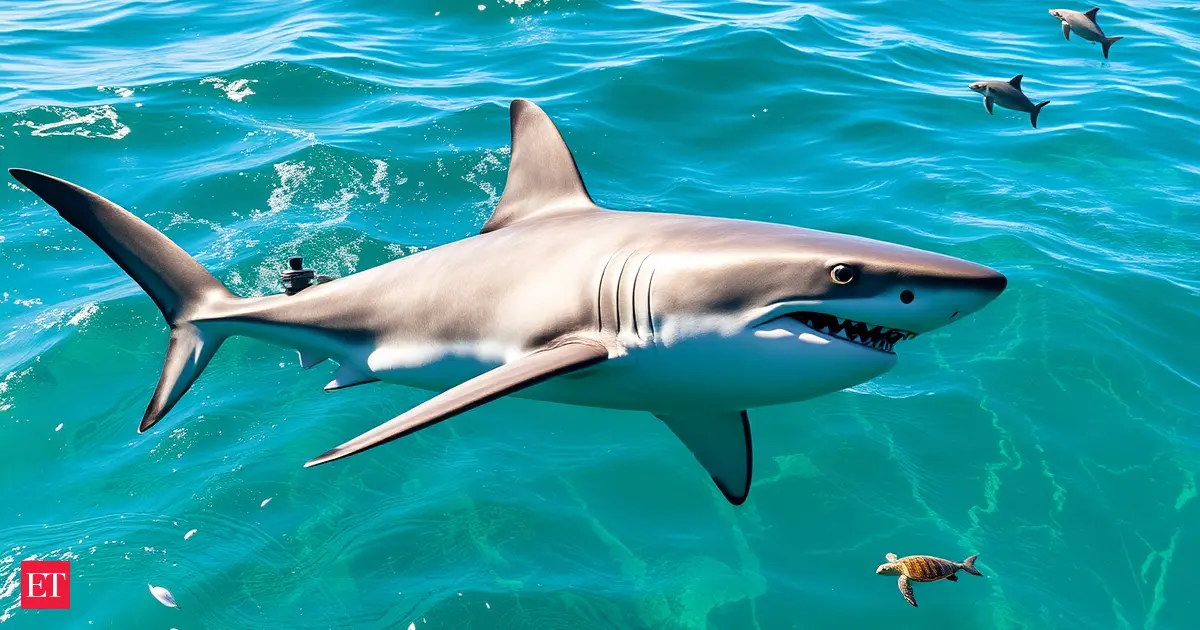
University of Delaware researchers are attaching small electronic tags to sharks off the US East Coast to gather ocean data that could improve hurricane intensity forecasts. The CTD tags measure water conductivity, temperature, and depth as sharks swim and dive, transmitting data to satellites when the animals surface.
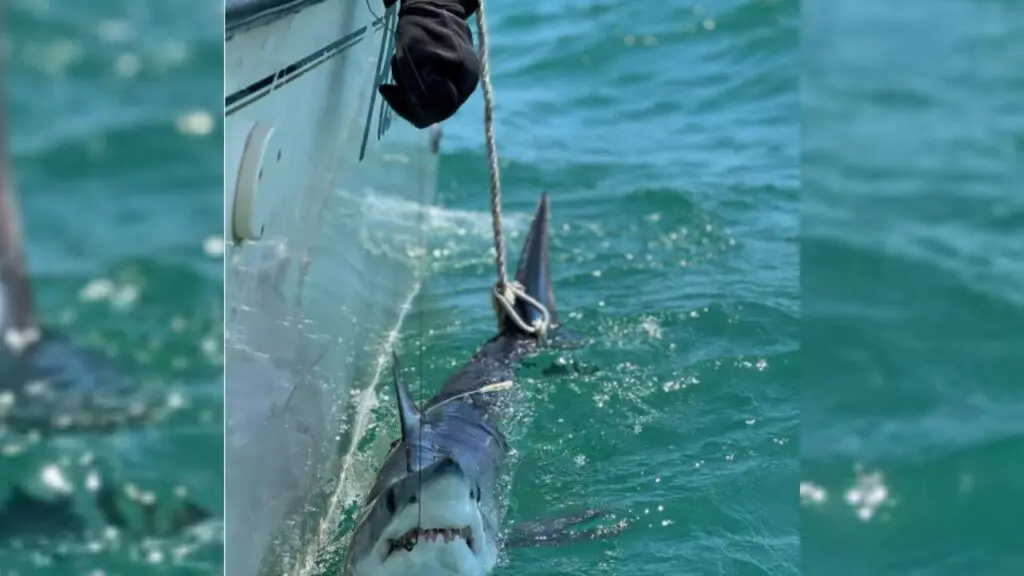
The team targets shortfin mako sharks, blue sharks, smooth hammerheads and juvenile great whites, which surface often enough for reliable data transmission. The work began in May and aims to monitor the ocean's mixed layer, whose heat content drives hurricane strength. Researchers say the tags corrode and fall off over time, and each shark gets a health check before release.
The Indian Opinion
This clever project may seem like a scene from a sci-fi film, but the reality is methodical tagging and data crunching. The danger is that headlines will either hype sharks as super-sensors or ignore the painstaking validation still needed. The real test will be whether shark-gathered temperature profiles prove more timely and cost-effective than buoys or drones, especially during the peak hurricane season. Can enough tagged sharks be in the right place at the right time to make a difference?
Sources (2): economictimes.indiatimes.com, timesofindia.indiatimes.com
This story was synthesised by AI from the 2 sources linked above.
Updated: this story now draws on 2 sources.