

















Now Reading: US strikes Chabahar port, revives 1971 Pakistan tilt fears
-
01
US strikes Chabahar port, revives 1971 Pakistan tilt fears



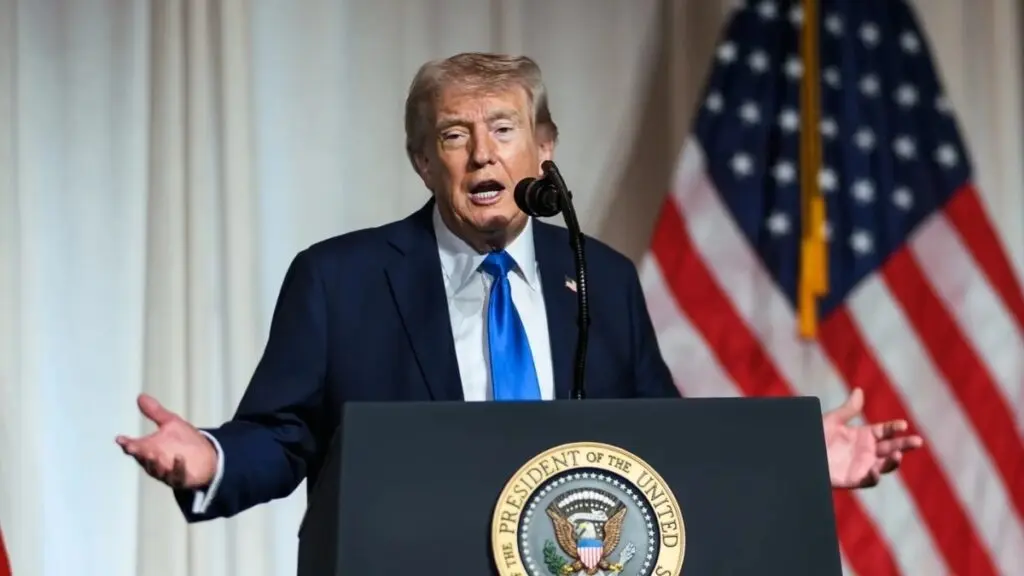
The US bombed Iran's Chabahar port on July 17, 2026, destroying a port built with Indian investment and labour. The strike torpedoes India's long effort to access Central Asia, Afghanistan and Russia without passing through Pakistan. Separately, the US has chosen Pakistan as a mediator between Iran and the United States, marking a shift that retired Colonel Anil A Athale compares to the Nixon administration's tilt toward Pakistan during the 1971 India-Pakistan war.
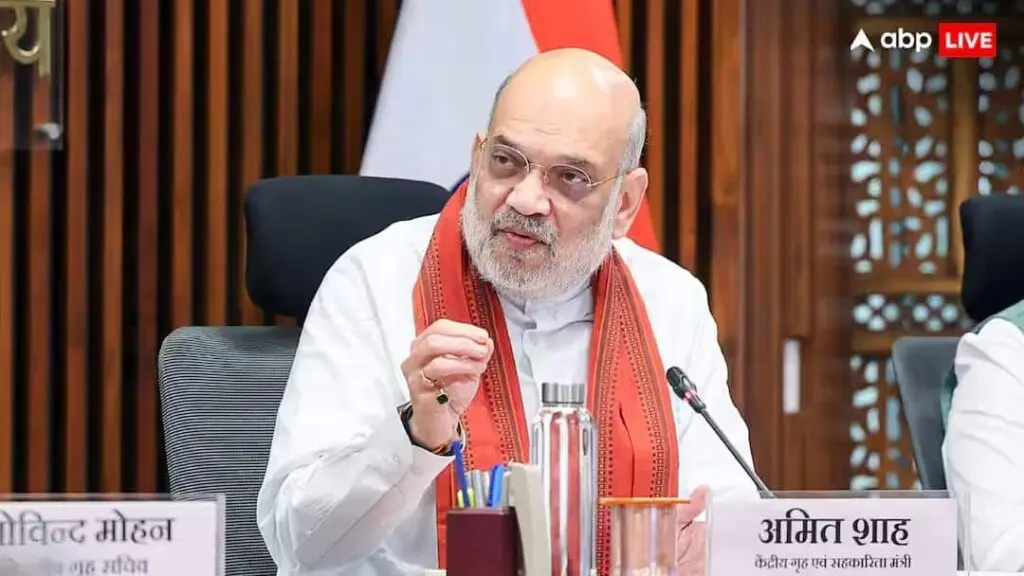
The US also renamed the Indo-Pacific Command back to Pacific Command, which analysts say signals a downgrade of India in US strategic thinking. Athale argues that India is back to a 1971 moment when both China and the US supported Pakistan against India. In the 1971 war, the US sent the USS Enterprise to the Bay of Bengal to deter India from attacking West Pakistan after East Pakistan fell. The Soviet Union also restrained India from a full western offensive at that time.
However, the analyst notes that Pakistan's warming ties with the US may create friction between Pakistan and China, potentially opening room for India to improve relations with Beijing. Pakistan's hostility to India is described as structural, rooted in religious ideology beyond Kashmir and water disputes.
Indian Opinion Analysis
The Chabahar port strike removes India's only operational overland route to Afghanistan and Central Asia, bypassing Pakistan. India invested about Rs 2,500 crore in the port's development, and the project was central to the International North-South Transport Corridor (INSTC). The US attack on July 17, combined with Washington designating Pakistan as mediator between Iran and the US, effectively sidelines India from the Afghanistan-Iran-Central Asia trade corridor. The next concrete indicator to watch is whether India seeks an alternative route through the Russia-aligned northern branch of the INSTC or recalibrates its Iran strategy entirely.
Source: rediff.com
This story was synthesised by AI from the source linked above. Methodology and corrections.