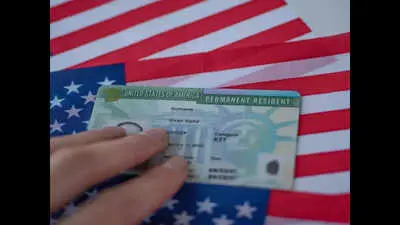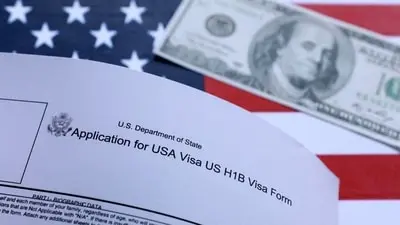















Now Reading: USCIS can now deny incomplete visa applications outright
-
01
USCIS can now deny incomplete visa applications outright



USCIS has restored officers' discretion to deny immigration applications without first issuing a Request for Evidence (RFE) if applicants fail to provide all required initial evidence or establish eligibility. The policy, effective…
The Story in Brief
USCIS has restored officers' discretion to deny immigration applications without first issuing a Request for Evidence (RFE) if applicants fail to provide all required initial evidence or establish eligibility. The policy, effective from 5 August, applies to both new and pending applications, including H-1B extensions, green cards, and citizenship requests.
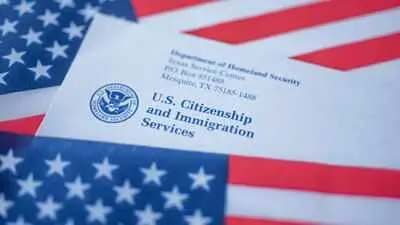
The change reverses the Biden-era policy that required officers to seek missing documents first. USCIS says the earlier rule allowed 'placeholder' filings that slowed processing for others. For the large Indian community on H-1B, F-1, and H-4 visas, the policy raises the stakes for submitting complete applications from the start.

The Indian Opinion
There is alarmist talk that a single missing document will automatically trigger a denial, but the reality is more measured. The policy restores pre-Biden norms, and officers still have discretion to issue RFEs. The claim that this is a targeted crackdown on Indians is one-sided, every applicant, regardless of nationality, faces the same rule. What matters is how USCIS applies it in practice. Watch whether denial rates for H-1B extensions spike in the next quarter.
Sources (2): timesofindia.indiatimes.com, hindustantimes.com
This story was synthesised by AI from the 2 sources linked above.
Updated: this story now draws on 2 sources.