





















Now Reading: Uttarakhand study logs 2,046 big cat attacks in two decades
-
01
Uttarakhand study logs 2,046 big cat attacks in two decades


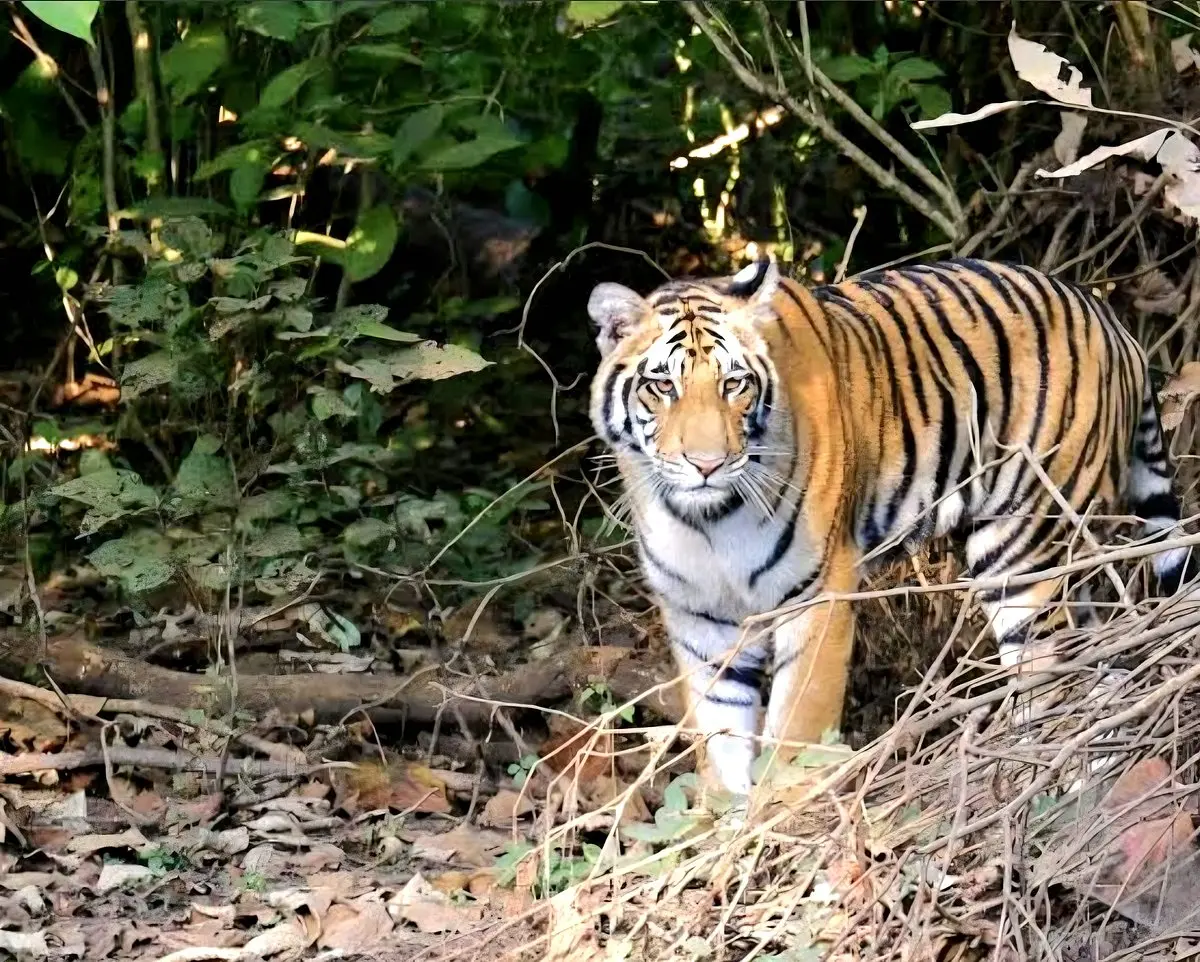
A study analysing 2,046 human-wildlife conflict cases in Uttarakhand between 2000 and 2019 has found that rising tiger and leopard populations, combined with infrastructure and tourism expansion, are increasing encounters. The research, conducted by doctoral scholar Amandeep Rathi under former chief wildlife warden Rajiv Bhartari and scientist Y.V. Jhala, recorded 1,914 leopard attacks causing 427 deaths and 132 tiger attacks causing 46 deaths.
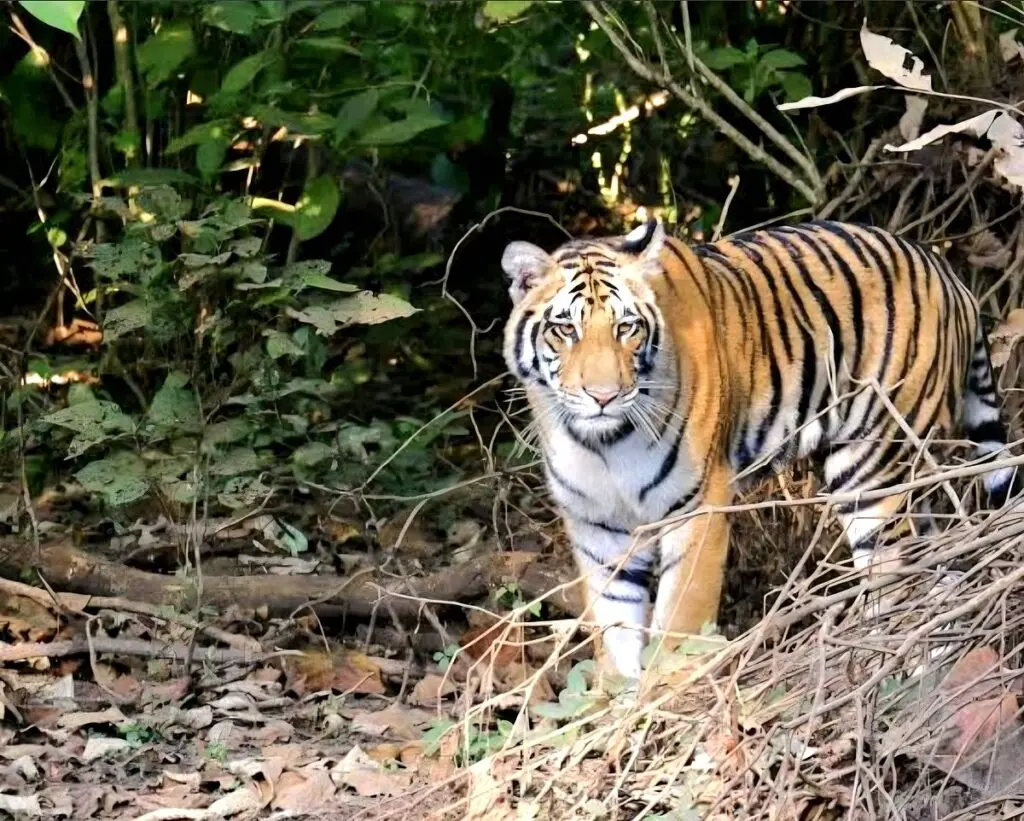
Pauri Garhwal accounted for 21.63% of all attacks and 28.64% of deaths. Nainital recorded 65.15% of tiger attacks. Leopard attacks peaked during monsoon near villages and farms, while tiger attacks were more frequent in summer inside forests. Children were most vulnerable to leopards, adults to tigers. The study recommends early-warning systems, rapid-response teams, faster compensation, and safer livelihood practices.
Indian Opinion Analysis
Uttarakhand's big cat populations have rebounded due to conservation success, but the state's narrow river valleys force settlements and infrastructure into the same corridors tigers and leopards use. Pauri Garhwal's high death toll reflects how fragmented forest patches abut dense villages. The fatality rate of 34.8% for tiger attacks is exceptionally high, partly because people entering forests for fodder or firewood are often alone and far from help. Compensation for crop loss or livestock depredation is already paid under state schemes, but human death compensation is slow and disputed, driving resentment. The next signal to watch is whether the Uttarakhand government allocates a dedicated conflict mitigation fund in its upcoming budget.
Source: newindianexpress.com
This story was synthesised by AI from the source linked above. Methodology and corrections.