














Now Reading: New initiative targets tigers living outside India’s reserves
-
01
New initiative targets tigers living outside India’s reserves


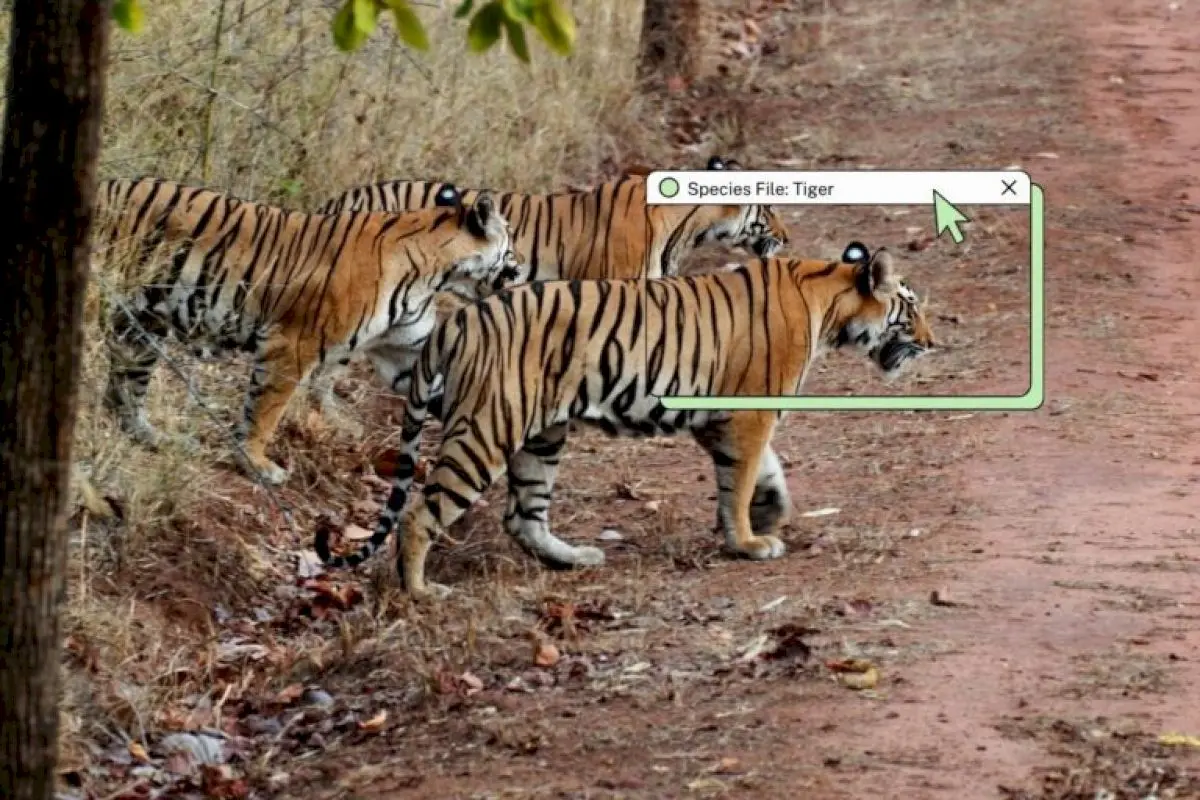
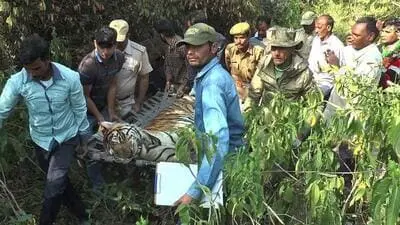
The Ministry of Environment, Forest and Climate Change has launched the Tigers Outside Tiger Reserves (TOTR) initiative to manage the growing number of tigers living beyond protected areas. According to the National…
The Story in Brief
The Ministry of Environment, Forest and Climate Change has launched the Tigers Outside Tiger Reserves (TOTR) initiative to manage the growing number of tigers living beyond protected areas. According to the National Tiger Conservation Authority, 35-40% of India's tiger population now resides outside designated Tiger Reserves. The Hindu reports that 40 forest divisions across nine states have been selected for the first phase, including Uttarakhand, Madhya Pradesh, Maharashtra, Karnataka, and Assam.
The TOTR aims to shift from reactive crisis management to proactive, science-driven governance. It focuses on two pillars: reducing human-tiger conflict through rapid response teams and improved rescue infrastructure, and fostering long-term coexistence by engaging local communities with awareness programmes and timely compensation. India's tiger population has risen from 1,411 in 2006 to 3,682 in 2022, with the country now home to over 70% of the world's wild tigers.
The Indian Opinion
The TOTR rightly acknowledges that India's tiger recovery success has created a new problem: more people living alongside more predators. But the easy part was protecting tigers inside reserves. The hard part, keeping both humans and tigers safe in shared, unfenced landscapes, will test every state's forest department. Compensation delays, poor training, and weak rapid-response teams have already eroded trust in many areas. The real test: will the nine pilot states streamline their compensation payouts this year? That number will reveal whether the government's coexistence talk is backed by action.
Sources (2): india.mongabay.com, thehindu.com
This story was synthesised by AI from the 2 sources linked above.
Updated: this story now draws on 2 sources.