












Now Reading: Uttarakhand sees 46% of wildlife conflict deaths since 2020
-
01
Uttarakhand sees 46% of wildlife conflict deaths since 2020


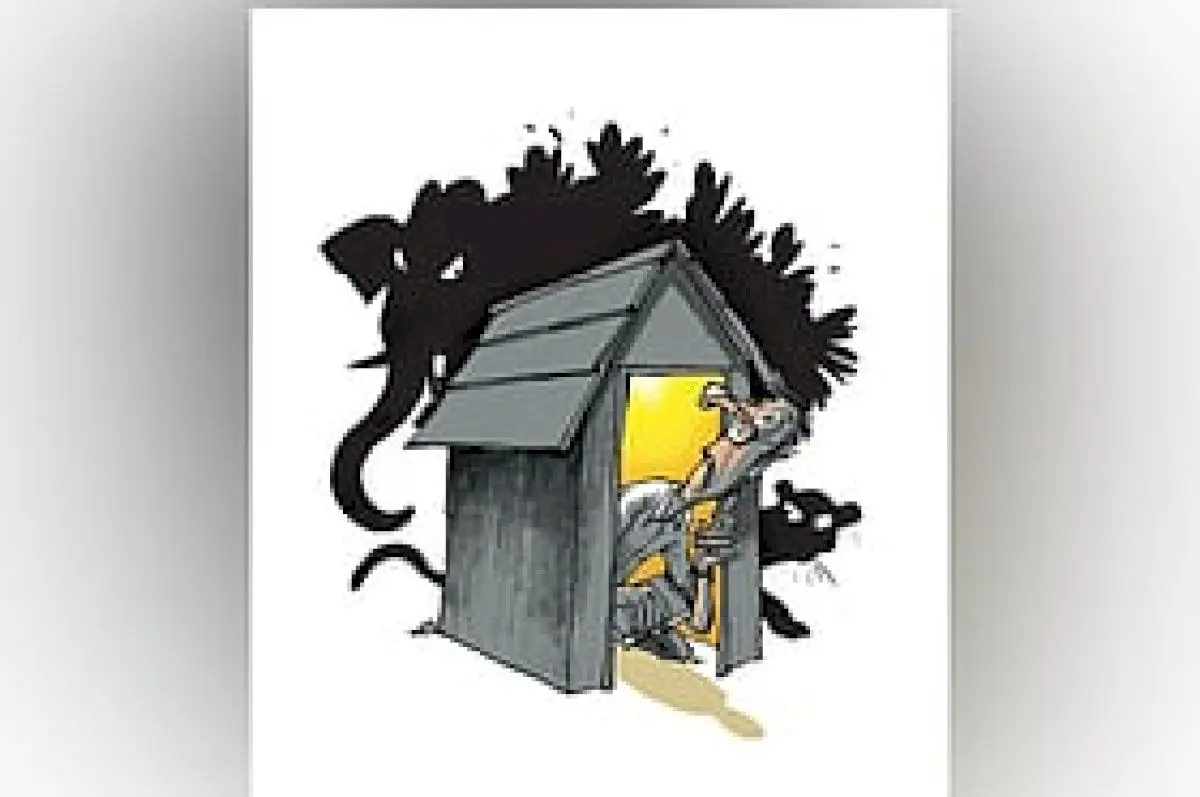
Nearly half of all human deaths from wildlife encounters in Uttarakhand since 2000 occurred between 2020 and 2025, according to a study by Prof. Vishwambhar Prasad Sati of Mizoram University. The state…
The Story in Brief
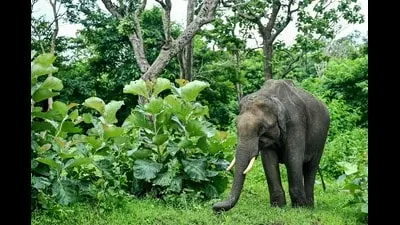
Nearly half of all human deaths from wildlife encounters in Uttarakhand since 2000 occurred between 2020 and 2025, according to a study by Prof. Vishwambhar Prasad Sati of Mizoram University. The state recorded 954 fatalities in 25 years, with 438 in the last six years. Leopards caused the most deaths (548), followed by elephants (230) and tigers (106). Meanwhile, a separate Wildlife Institute of India report found that human deaths from elephants in Karnataka, Kerala, Andhra Pradesh and Tamil Nadu hit a five-year high of 130 in 2023-24. Elephant deaths also rose from 38 to 50 over the same period.
The Indian Opinion
The numbers paint a grim picture, but lazy narratives blaming only population growth miss the point. In Uttarakhand, leopards killed 548 people over 25 years, while bears injured over 2,000. In the south, elephant deaths peak in Tamil Nadu (59) and Karnataka (48), yet Andhra Pradesh has worse conflict relative to herd size. The real culprits are habitat degradation and poorly planned infrastructure, not just straying animals. A single national policy cannot fix this. The state-level response rates for compensation and corridor protection will tell us who is serious.
Sources (2): newindianexpress.com, hindustantimes.com
This story was synthesised by AI from the 2 sources linked above.
Updated: this story now draws on 2 sources.