



















Now Reading: Vande Mataram Complaint: Congress Leaders Face Probe, No FIR Yet
-
01
Vande Mataram Complaint: Congress Leaders Face Probe, No FIR Yet



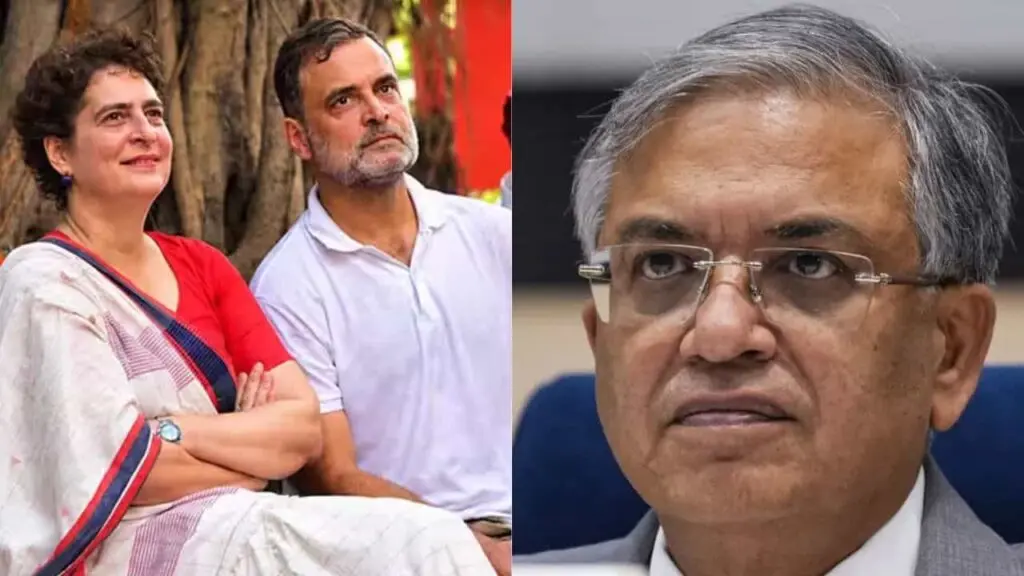
The Delhi Police have launched a preliminary enquiry into a complaint against Congress leaders Sonia Gandhi and Rahul Gandhi for allegedly disrupting the singing of Vande Mataram at the party's Independence Day function on August 15. Two advocates filed the complaint on August 16, alleging Sonia gestured for the song to stop and Rahul said, "We are not singing Vande Mataram." The Congress says Sonia was asking for a chair for party president Mallikarjun Kharge, and the song was completed without interruption.

Union Home Minister Amit Shah has demanded an apology from Sonia for what he called insulting the national song. Despite the political pressure, no FIR has been registered. The amended Prevention of Insults to National Honour Act, which President Droupadi Murmu assented to on August 11, punishes intentionally preventing or disturbing the singing of the national song. However, legal experts note that the Supreme Court's 1986 Bijoe Emmanuel ruling protects silence and abstention from singing, which may limit the scope of the new law.
Enforcement of the new provision will turn on whether the conduct alleged amounts to intentional prevention or disturbance, and the police are currently examining video and audio evidence.
Indian Opinion Analysis
Thefederal.com's piece is a detailed legal primer that largely neuters the political charge by citing the 1986 Bijoe Emmanuel precedent and the narrow wording of the amended Section 3. It frames the Congress leaders' alleged actions as likely falling outside the offence, while NDTV's report is a straight news brief centred on the complaint itself, giving no legal analysis but noting the Congress response. The key middle-ground takeaway is that the law, even as amended, does not criminalise silence, abstention, or gestures explained as non-disruptive. The Delhi Police's preliminary enquiry, rather than an FIR, suggests the complaint lacks the prima facie legal basis the Federal article details. Watch for whether the police find enough audio evidence to contradict the Congress claim that the rendition was completed without interruption.
Coverage: 2 sources, 1 government-critical, 1 neutral
Sources (2): thefederal.com (government critical), ndtv.com (neutral report)
This story was synthesised by AI from the 2 sources linked above. Methodology and corrections.
Updated: this story now draws on 2 sources.