
















Now Reading: Centre notifies 375 works under VB-G RAM G, 41% over MGNREGA
-
01
Centre notifies 375 works under VB-G RAM G, 41% over MGNREGA


The Story in Brief
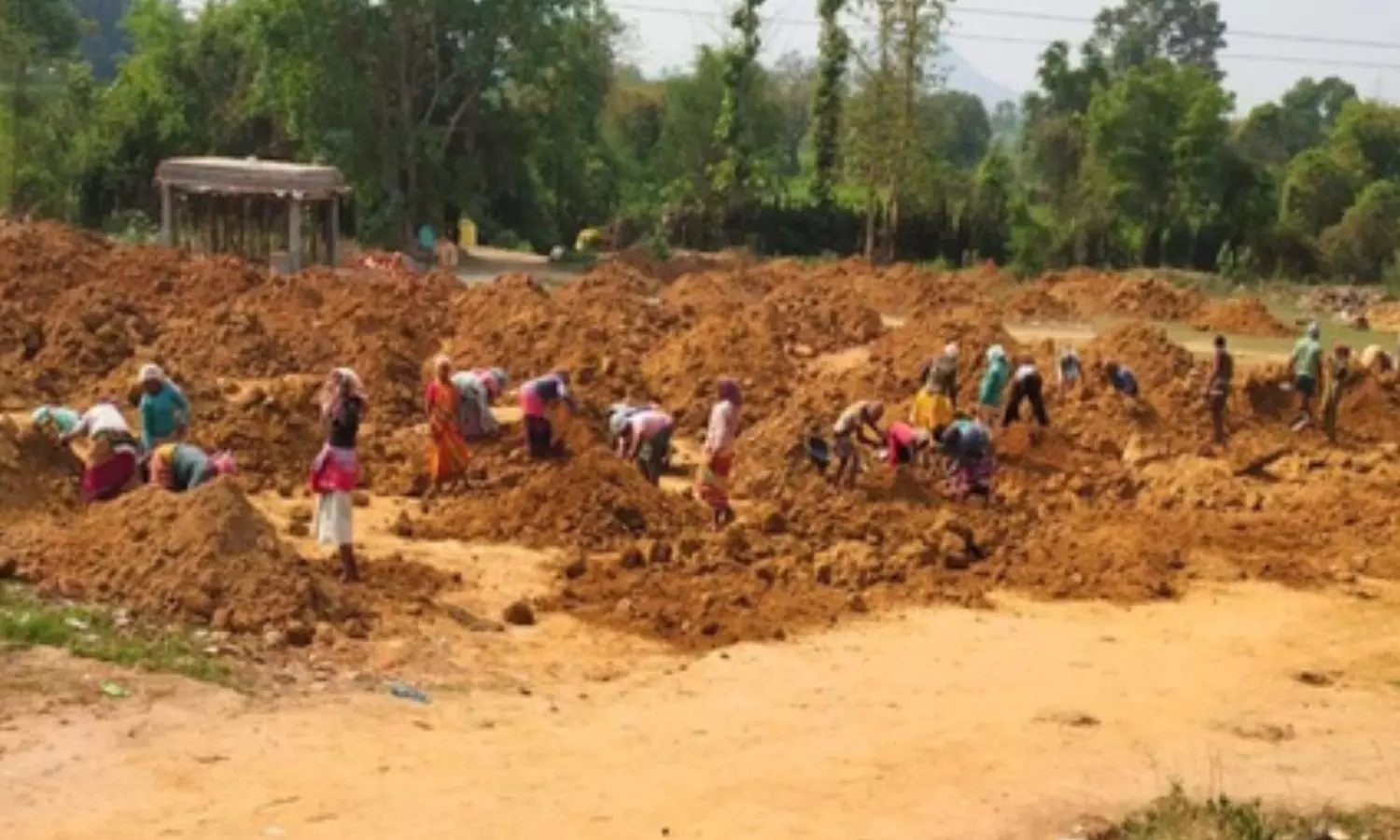
The Ministry of Rural Development has notified 375 permissible works under the Viksit Bharat Guarantee for Rozgar and Ajeevika Mission (VB-G RAM G) Act, 2025, a 41 per cent expansion over the 266 works under the earlier MGNREGA framework, the ministry said on 6 October 2026. The works are divided into four categories: water security (128 works), core rural infrastructure (111 works), livelihood-related infrastructure (98 works) and a dedicated category for disaster preparedness and extreme weather events (38 works), introduced for the first time.
Livelihood-related works now account for 26 per cent of the total, compared with 1.1 per cent under MGNREGA, and include agro-processing units, cold storage, dairy infrastructure and aquaculture structures. The schedule covers 181 agriculture and allied works, 107 works for Antyodaya and vulnerable households, and 36 works each for women and youth. Works will be planned through Viksit Gram Panchayat Plans approved by Gram Sabhas and tracked via the Viksit Bharat National Rural Infrastructure Stack.
Around 15.64 million households sought work under VB-G RAM G in September 2026, nearly 34 per cent more than in the same month in 2025 under MGNREGA, Business Standard reported. The opposition had objected to the removal of Mahatma Gandhi's name from the scheme and raised concerns over the revised funding pattern and a provision allowing states to pause work during peak agricultural seasons for up to 60 days a year.
Update, 9 October 2026: Hindustan Times (8 October) reports the 375 works notification, adding that old works such as ponds, canals and roads remain part of the programme. All outlets rely on the ministry's statement, with no independent verification of the scheme's impact.
Indian Opinion Analysis
Government statements dominate the coverage: multiple outlets, including Business Standard, CNBC-TV18 and The Hindu BusinessLine, reproduce the ministry's framing of a historic expansion that links wage employment to durable assets and climate resilience. Down To Earth adds detail on disaster preparedness works such as ice stupas, reflecting a focus on adaptation. No outlet examines implementation capacity or whether panchayats can absorb the wider menu. The opposition's objections to the name change and funding pattern appear in most accounts, but as a closing caveat rather than a leading frame. The Hindu BusinessLine and CNBC-TV18 note the 60:40 Centre-state funding ratio and the 125-day guarantee, context the wire-style reports omit. Uniformly sourced to the ministry's statement, the coverage leaves the scheme's on-ground impact unexamined and the December 2026 rollout of Viksit Gram Panchayat Plans as the next milestone.
Coverage: 9 sources, 9 neutral
Sources (9): business-standard.com (neutral report), thehansindia.com (neutral report), thehindubusinessline.com (neutral report), cnbctv18.com (neutral report), economictimes.indiatimes.com (neutral report), economictimes.indiatimes.com (2) (neutral report), nagalandpost.com (neutral report), downtoearth.org.in (neutral report), hindustantimes.com (neutral report)
This brief was synthesised by AI from the 9 sources linked above, so one read covers every framing they carry. Methodology and corrections.