














Now Reading: Vietnam veteran became last US homesteader in Alaska
-
01
Vietnam veteran became last US homesteader in Alaska



Kenneth Deardorff, a Vietnam veteran who moved to Alaska in 1974, became the last person in US history to receive a homestead title under the Homestead Act of 1862. He received his…
The Story in Brief
Kenneth Deardorff, a Vietnam veteran who moved to Alaska in 1974, became the last person in US history to receive a homestead title under the Homestead Act of 1862. He received his patent on May 5, 1988, after completing requirements in 1979. He settled along the Stony River in southwestern Alaska, where there were no roads. He hunted, trapped furs, and ran a small store for income.
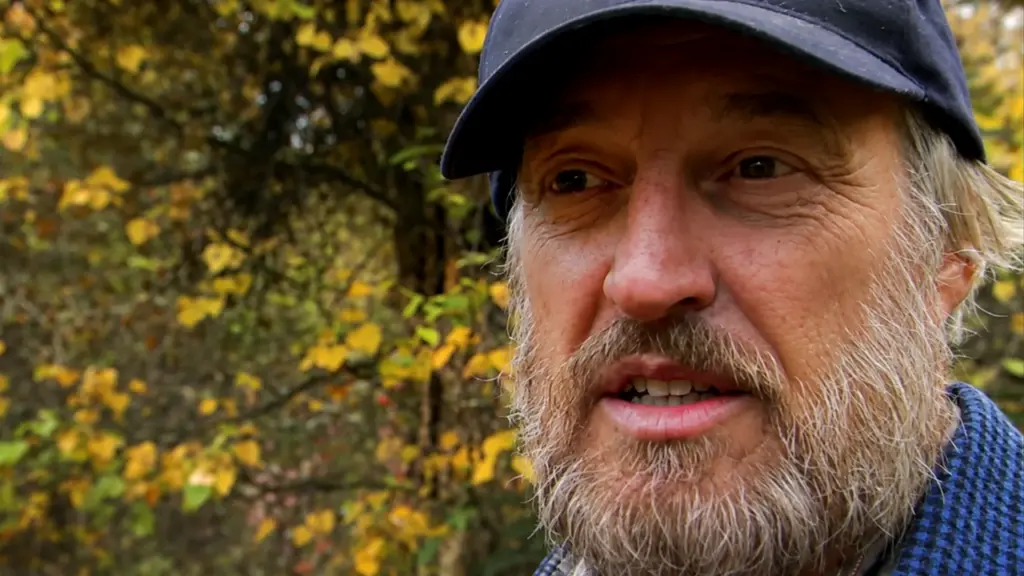
Deardorff earned a geography degree after military service and originally sought work with the US Geological Survey. Instead, he filed a homestead claim in 1974. The Homestead Act ended for new claims in Alaska in 1986, but his earlier claim allowed completion. He used a 1945 tractor flown in pieces and hauled by dogsled. The National Archives identifies his patent as the final one awarded.
The Indian Opinion
The tale of Kenneth Deardorff is often told as a triumph of self-reliance, but it also highlights how government policy shaped frontier settlement. The Homestead Act gave away vast tracts, displacing indigenous peoples. Today's romanticism ignores that Deardorff's success depended on federal land grants and decades of patience. As India debates land rights and tribal welfare, ask: would an equivalent programme here benefit the landless or just the resourceful?
Source: timesofindia.indiatimes.com
This story was synthesised by AI from the source linked above.