












Now Reading: Vitamin D overdose mistaken for brain tumour in 7-year-old boy
-
01
Vitamin D overdose mistaken for brain tumour in 7-year-old boy


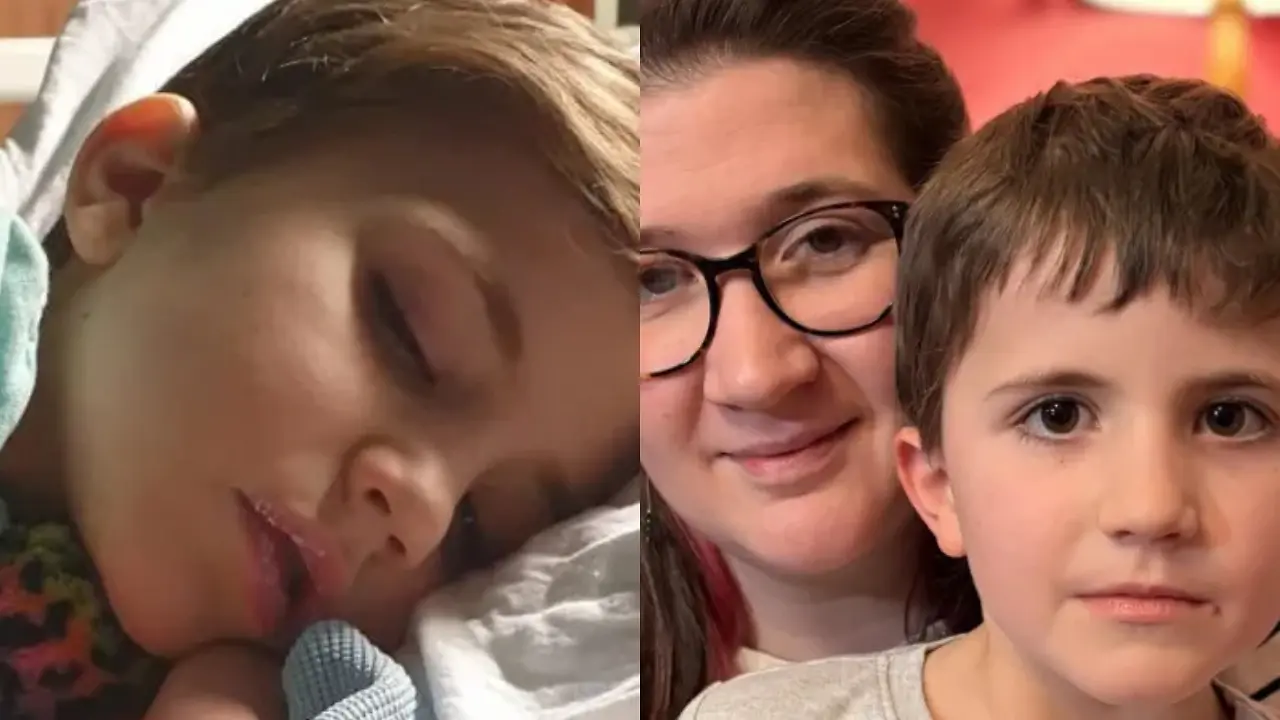
A seven-year-old boy in the UK was feared to have a brain tumour after taking a faulty vitamin D3 supplement that contained roughly seven times the stated dose. Roo had been prescribed…
A seven-year-old boy in the UK was feared to have a brain tumour after taking a faulty vitamin D3 supplement that contained roughly seven times the stated dose. Roo had been prescribed the drops for leg pain after blood tests showed slightly low vitamin D levels. Within weeks he became severely tired, lost more than 10% of his body weight, and was drinking excessive water.
Doctors found acute kidney injury and dangerously high calcium levels, a condition called hypercalcaemia. A conversation with an endocrinologist led to checking his supplement bottle, which matched one of two recalled batches of Aactive D3 made by TriOn Pharma. The UK Food Standards Agency confirmed the products were contaminated with excess vitamin D3.
Vitamin D toxicity can cause nausea, vomiting, weakness, dehydration and kidney damage. The National Institutes of Health sets 3,000 IU a day as the tolerable upper intake for children aged 4-8. Roo's levels took about a year to return to safe range, and his mother said he still has significant limitations in daily life.
Indian Opinion Analysis
The case illustrates a rare but serious risk of unregulated supplement manufacturing. Under UK law, medicines and supplements must meet the Human Medicines Regulations 2012, but batch-level contamination like this can escape routine checks until a cluster of adverse events emerges. The recall of two batches suggests a manufacturing error rather than a systemic industry problem. Affected families may pursue compensation through the Medicines and Healthcare products Regulatory Agency (MHRA) yellow card scheme, which tracks such incidents. The key figure to watch is whether the MHRA or the company discloses how many bottles were sold and how many other cases have been reported.
Source: timesnownews.com
This brief was synthesised by AI from the source linked above.