



















Now Reading: WhatsApp rolls out parental controls for teens in India
-
01
WhatsApp rolls out parental controls for teens in India


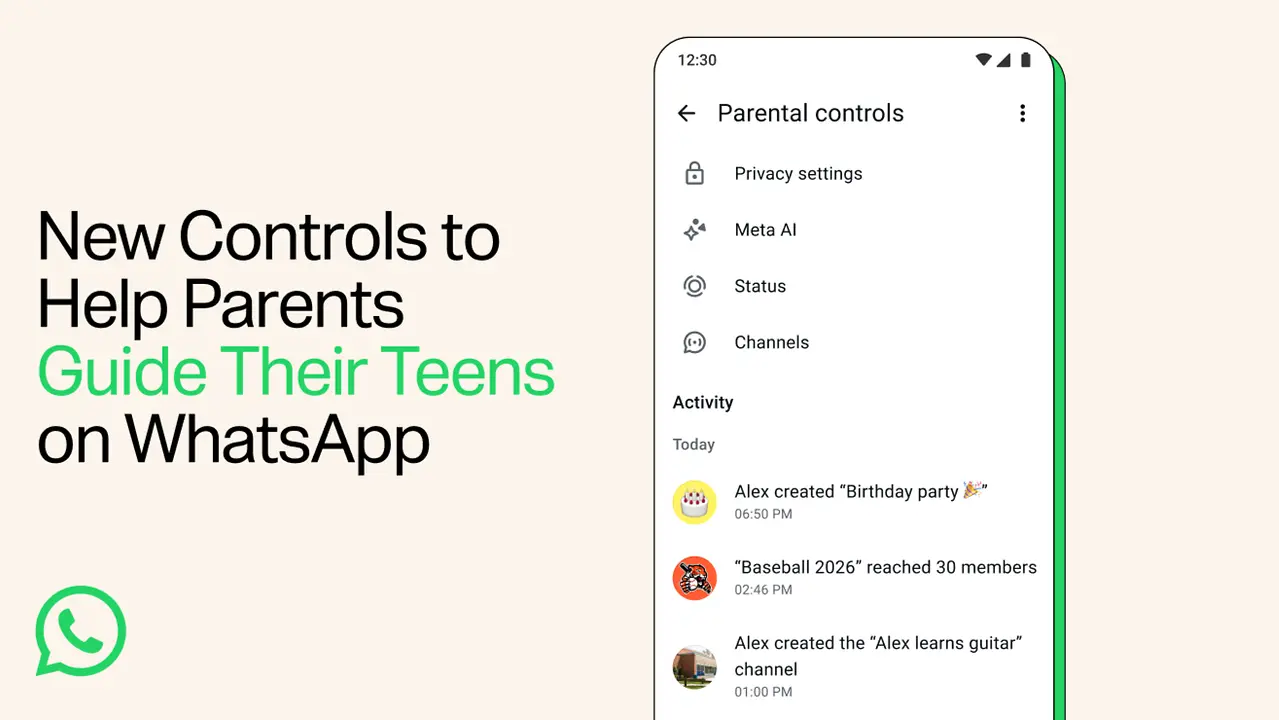
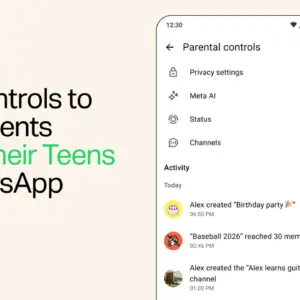
WhatsApp on Wednesday, 30 September 2026, launched parental controls for teenage users in India. The optional tools let parents manage privacy settings, monitor group activity, and decide how teens use Channels, Status,…
WhatsApp on Wednesday, 30 September 2026, launched parental controls for teenage users in India. The optional tools let parents manage privacy settings, monitor group activity, and decide how teens use Channels, Status, and Meta AI. Parents set a 6-digit PIN to approve changes.
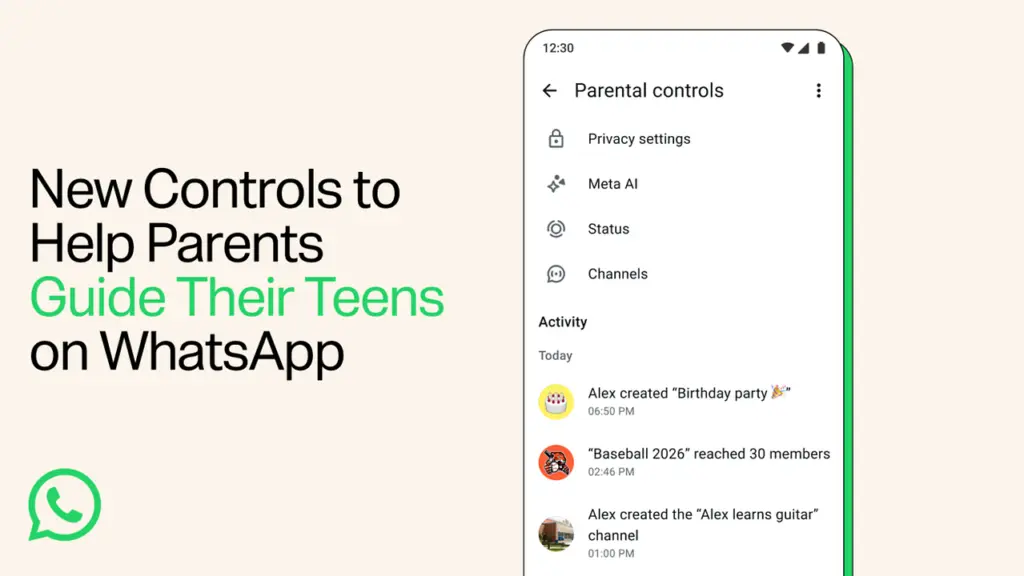
Parents can control who sees the teen's profile photo and who adds them to groups. They receive notifications when the teen joins or leaves a group or when a group grows in size. For Meta AI, parents choose between the default 13+ experience or a stricter 'Limited Content' option. WhatsApp said personal messages remain end-to-end encrypted and private.
The feature is rolling out globally and should be available to all users in the coming days. To set it up, parents and teens link accounts via a QR code on the teen's device.
Indian Opinion Analysis
Both Times Now and Hindustan Times reported the launch in neutral, feature-announcement style, with no critical framing or government angle. Times Now led with the parent-set PIN approval mechanism, while Hindustan Times included detailed setup steps and the author's biography, but neither source questioned the efficacy or privacy implications of the controls. The coverage is uniform straight reporting of WhatsApp's press release, with identical facts on optionality, PIN setup, and end-to-end encryption assurances. The rollout completes within days, leaving no open dispute or next step from the sources.
Coverage: 2 sources, 2 neutral
Sources (2): timesnownews.com (neutral report), hindustantimes.com (neutral report)
This brief was synthesised by AI from the 2 sources linked above, so one read covers every framing they carry. Methodology and corrections.