












Now Reading: Researchers flag backdoor in Chinese-made Zbtlink routers
-
01
Researchers flag backdoor in Chinese-made Zbtlink routers


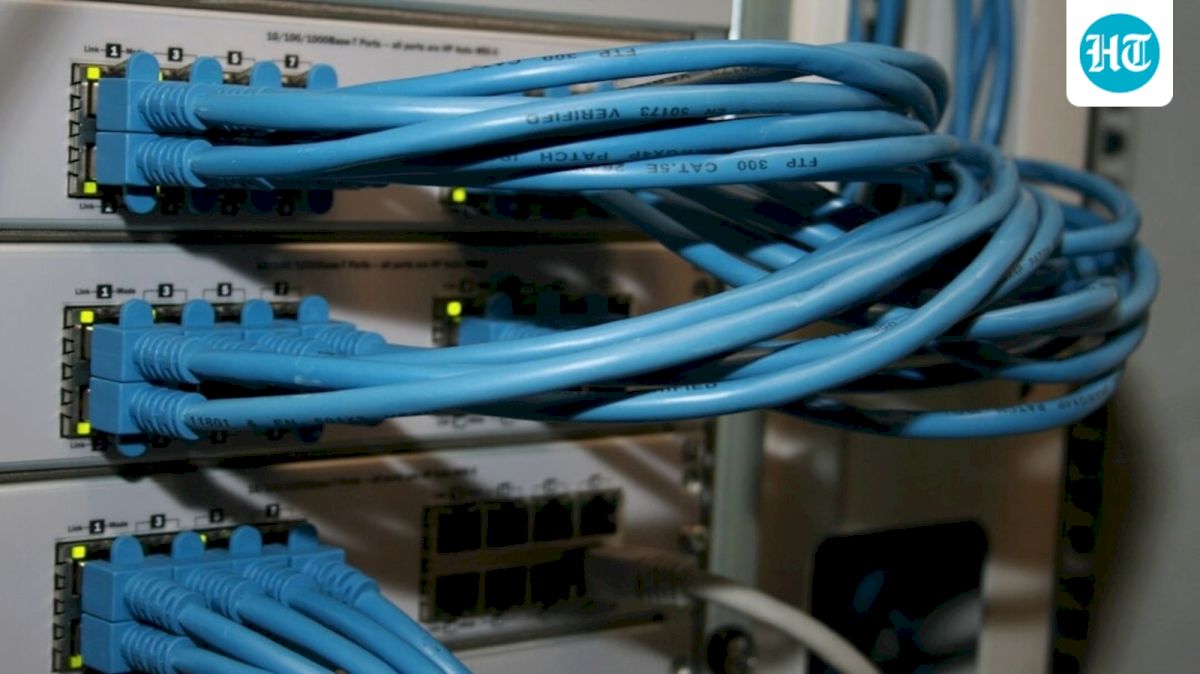
Cybersecurity firm VulnCheck says more than 20 router models sold worldwide under the Zbtlink and Wiflyer brand names contain a previously unreported backdoor its researchers have named Endlessdoors. VulnCheck's chief technology officer,…
Cybersecurity firm VulnCheck says more than 20 router models sold worldwide under the Zbtlink and Wiflyer brand names contain a previously unreported backdoor its researchers have named Endlessdoors. VulnCheck's chief technology officer, Jacob Baines, said the affected routers automatically contact a specific IP address and a China-registered domain every 35 seconds, and that whoever controls those domains could potentially take control of the router and reach other devices on the same network. Baines estimated at least 100,000 of the routers are deployed worldwide, though he said it is not possible to say exactly where or how many are currently active. Zbtlink did not respond to a request for comment. Reuters reported that it could not determine why the backdoor exists, what purpose it serves, or whether it has ever been exploited, and noted that Beijing routinely denies condoning cyberattacks.
Indian Opinion Analysis
That a single compromised router can open a path to every other device sharing its network is what makes this worth taking seriously, and VulnCheck's tally of at least 100,000 units in the wild points to genuine reach. What nobody has pinned down is motive: not VulnCheck, not Reuters, can say who is behind Endlessdoors, what it was built to do, or whether anyone has actually used it to break into a network. The report sets the finding against years of Western government warnings about Chinese-made networking equipment and the Federal Communications Commission's March decision to ban imports of new foreign-made consumer routers, which later exempted many non-Chinese firms. What comes next is whether Zbtlink responds at all, and whether VulnCheck's researchers identify who controls the IP address and China-registered domain the routers contact every 35 seconds.
Source: www.hindustantimes.com
This brief was synthesised by AI from the source linked above.