










Now Reading: Why most traders lose money reacting to breaking news
-
01
Why most traders lose money reacting to breaking news


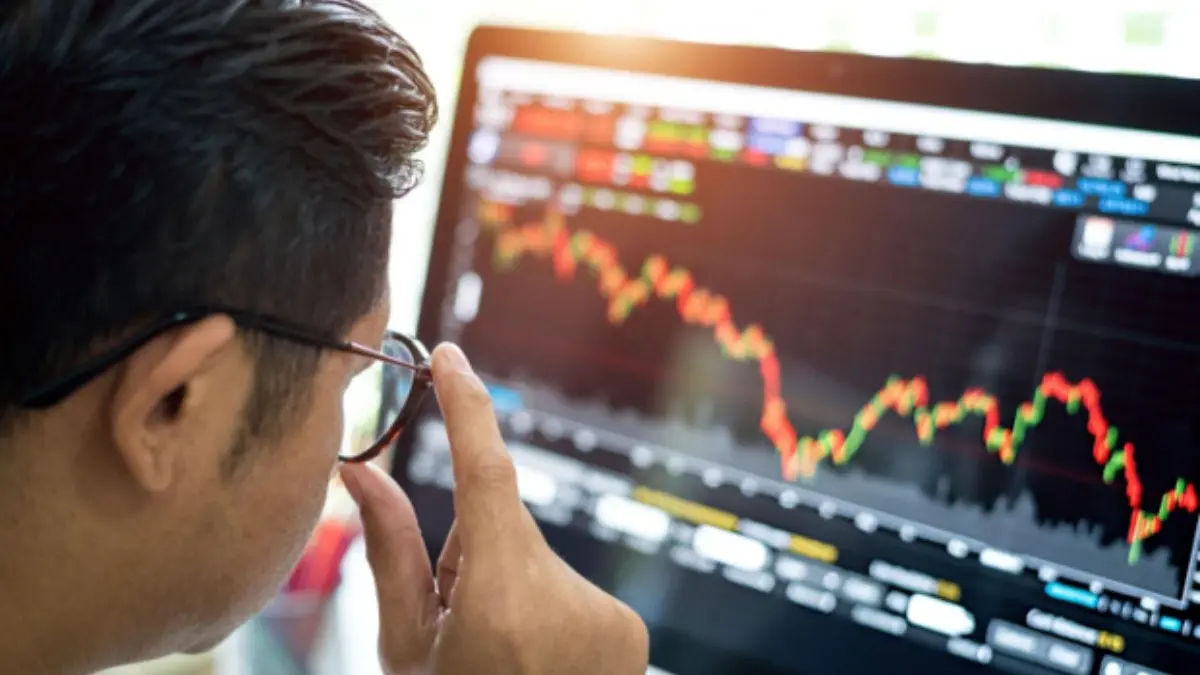
Republicworld.com reports that most retail traders lose money by reacting to breaking market news. The issue is not the news but the lack of analysis before acting. Markets react to surprise, not…
The Story in Brief
Republicworld.com reports that most retail traders lose money by reacting to breaking market news. The issue is not the news but the lack of analysis before acting. Markets react to surprise, not significance; if a move was expected, it is noise. Algorithms execute the first price move in milliseconds, leaving retail traders to chase a move that has already ended.
After breaking news, volatility exposes poor risk management. Traders should establish stop-loss and position size beforehand. Headlines often lack context, traders need to know the actual number, the expectation, and the comparison before acting.
The Indian Opinion
The article repeats a familiar warning, but the real problem on Dalal Street goes deeper. Retail traders are flooded with real-time alerts from brokers and finfluencers, each screaming 'big move coming'. This creates a false sense of urgency. The lazy narrative that news trading is a shortcut to wealth ignores the structural disadvantage of the small trader, no access to institutional-grade algorithms or instant data feeds. A better test: after the next RBI policy surprise, check how many retail traders actually waited an hour before placing a trade, versus those who jumped in within seconds.
Source: republicworld.com
This story was synthesised by AI from the source linked above.