






















Now Reading: Mumbai leads India’s rise of super-tall residential towers
-
01
Mumbai leads India’s rise of super-tall residential towers


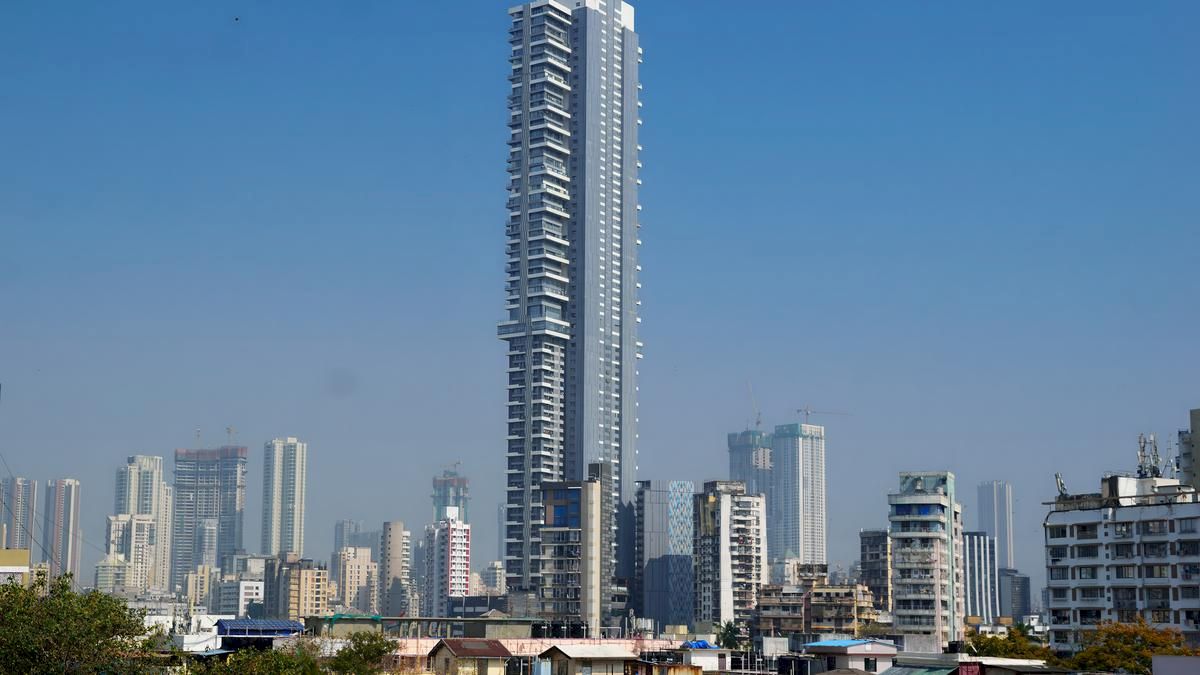
A signed column in The Hindu by the chief executive officer of Runwal Enterprises argues that Mumbai is at the front of a shift toward residential towers rising past 250 metres, with…
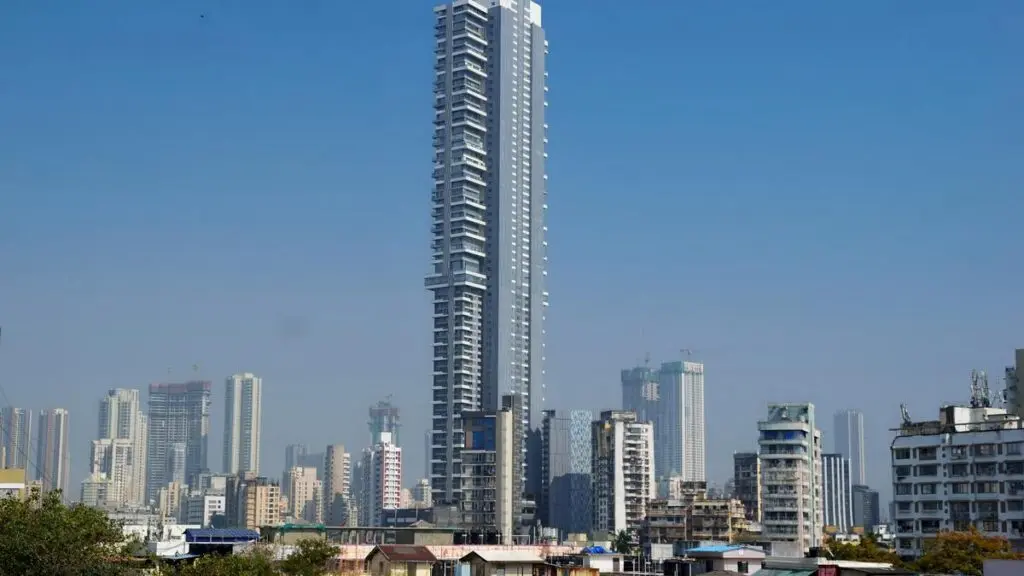
A signed column in The Hindu by the chief executive officer of Runwal Enterprises argues that Mumbai is at the front of a shift toward residential towers rising past 250 metres, with some projects now topping 300 metres. The column attributes the trend to redevelopment pressure, scarce land and advances in structural engineering, and describes construction methods used at this scale: wind-tunnel testing, deep foundations, high-strength concrete, composite steel-concrete systems and careful sequencing around occupied buildings and buried utilities. It also describes builders adopting digital twins, drones, AI-based monitoring, sensors and prefabricated components, and says design attention is moving from sheer height toward safety and lifecycle performance, citing refuge floors, pressurised staircases, efficient facades and water recycling as examples. The column does not go into how displacement, affordable housing, regulatory oversight or long-term upkeep will be managed as this construction continues.
Indian Opinion Analysis
This is a signed column rather than a news report: its author is the chief executive officer of Runwal Enterprises, so the account of monitoring, fire engineering and sustainability measures comes from inside the industry it is about. The engineering detail is specific, wind-tunnel testing, composite steel-concrete structures, outrigger systems, self-climbing formwork, refuge floors and pressurised staircases, but it is set out as general practice, with no named project measured against it. Displacement, affordability and regulatory oversight fall outside what the column covers. The South Mumbai towers above 300 metres that the column cites are where that practice can be checked once the buildings are occupied.
Source: www.thehindu.com
This brief was synthesised by AI from the source linked above.