



Now Reading: Why Sugary Foods Can Leave a Bitter Aftertaste
-
01
Why Sugary Foods Can Leave a Bitter Aftertaste


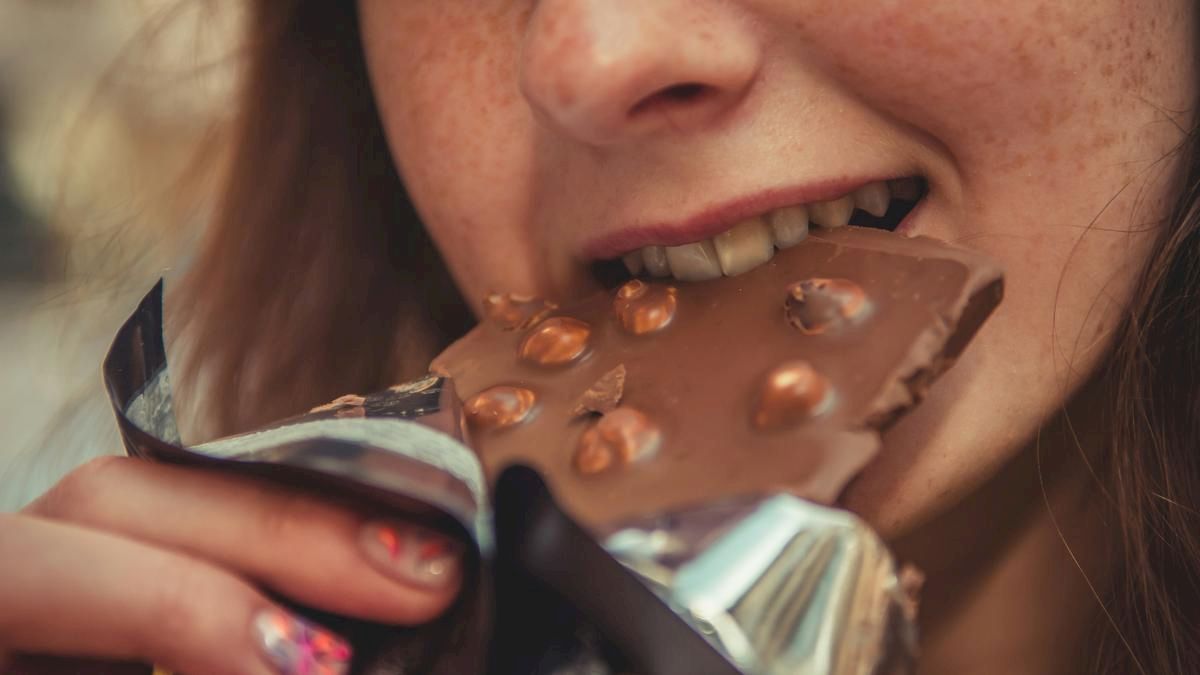
Some people notice a bitter finish after eating sugary foods because sweetness can briefly reduce the sensitivity of sweet taste receptors, leaving faint bitter compounds in saliva or food particles more noticeable.…
The Story in Brief
Some people notice a bitter finish after eating sugary foods because sweetness can briefly reduce the sensitivity of sweet taste receptors, leaving faint bitter compounds in saliva or food particles more noticeable. The Hindu reports that cocoa, caramelised sugars, coffee extracts and artificial flavours can also contain bitter notes masked by sugar.
Oral bacteria may turn leftover sugar into acids, affecting taste perception, while a dry mouth can make the effect stronger. Supertasters are more likely to notice bitterness and may have this sensitivity because of their TAS2R2 taste receptor genes. Not everyone experiences the aftertaste.
The Indian Opinion
The lazy claim that a bitter aftertaste proves sugar is harmful goes beyond the evidence. The explanation is sensory and chemical, with food ingredients, oral bacteria, dryness and genetic differences all playing a part. Nor does one unpleasant finish mean every sweet food contains hidden bitterness. A useful test is whether the effect changes with chocolate, coffee-flavoured foods or plain sugar, and whether it persists after drinking water.
Source: thehindu.com
This story was synthesised by AI from the source linked above.