














Now Reading: Why Traditional Landlines Worked During Power Cuts
-
01
Why Traditional Landlines Worked During Power Cuts



Traditional landline phones could keep working during a household or neighbourhood power cut because they drew a small direct-current supply through copper telephone wires from the telephone exchange. The exchange also routed…
The Story in Brief
Traditional landline phones could keep working during a household or neighbourhood power cut because they drew a small direct-current supply through copper telephone wires from the telephone exchange. The exchange also routed calls between users. If its main electricity supply failed, backup batteries and diesel generators kept the network operating for hours or days, The Hindu reports.
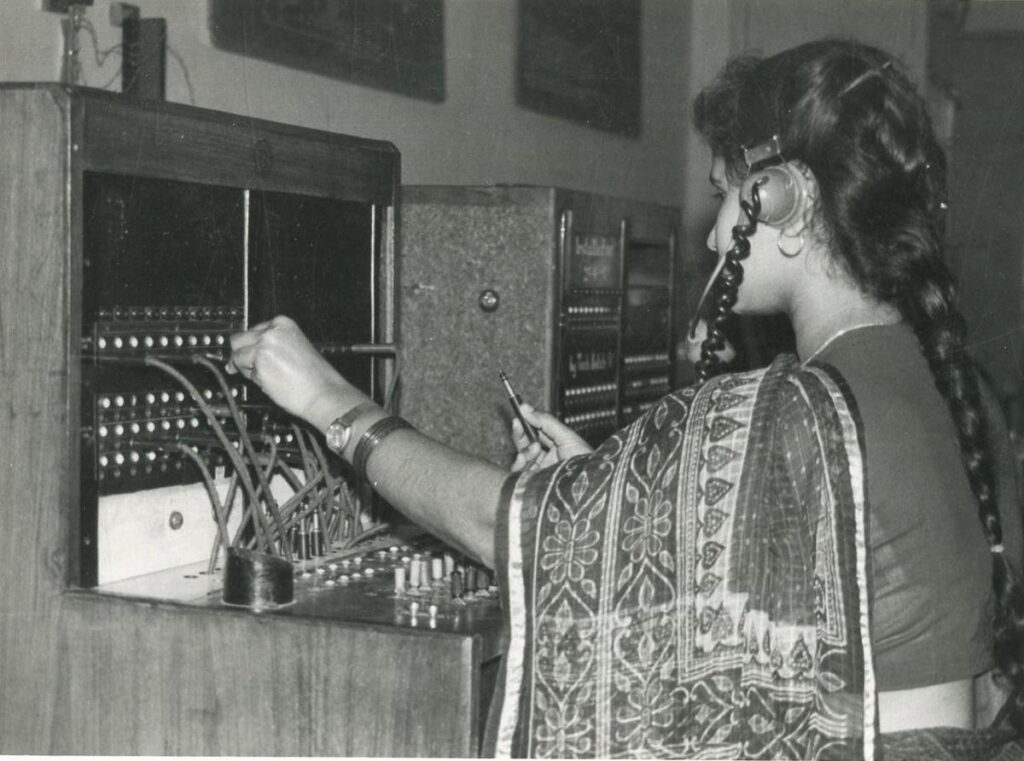
This reliability did not extend to many modern home phones, which use fibre broadband or internet calling and depend on powered routers or modems. Traditional landlines often remained useful during storms, floods and other emergencies. The Hindu recalls that a landline helped its newsroom communicate during heavy rains in Chennai in 2023, when mobile networks were unreliable in some areas.
The Indian Opinion
The lazy narrative that old technology was simply better than today’s misses the real difference: traditional phones had power and backup systems built into the network, while internet phones shift that burden to the home. Nor should one anecdote prove universal reliability. The practical test is simple: during the next outage, does the connection work without a powered router, and for how long?
Source: thehindu.com
This story was synthesised by AI from the source linked above.