












Now Reading: How commercial ketchup stays safe for up to two years unopened
-
01
How commercial ketchup stays safe for up to two years unopened


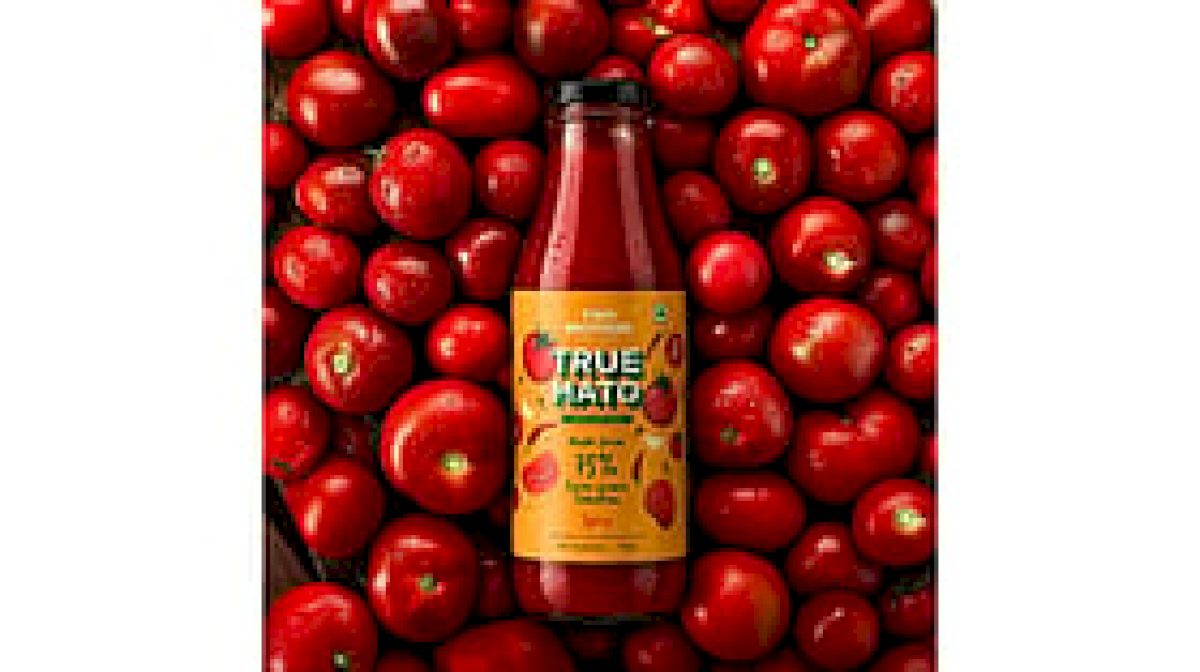
An unopened bottle of commercial ketchup can stay safe to eat for a year or two after its printed date, a Deccan Herald report said. That durability is not down to any…
An unopened bottle of commercial ketchup can stay safe to eat for a year or two after its printed date, a Deccan Herald report said. That durability is not down to any single ingredient but to acidity, thick tomato solids, sugar, heat treatment during manufacture and sealed packaging acting together to keep bacteria from growing. Vinegar brings the pH down to roughly 3.3 to 4.0, and salt and sugar tie up the water microbes would otherwise use. The report traces the recipe back to the late 1800s, when Heinz chemists raised the proportion of tomato pulp and balanced it with extra sugar and vinegar specifically so the ketchup would not need sodium benzoate, a preservative many Indian brands still use today under permitted limits. Exposed to heat or light, sodium benzoate can react with vitamin C to form small amounts of benzene, and reproducing a preservative-free formula at scale needs tightly controlled acidity, pH and microbiology because tomato paste itself varies from batch to batch.
Indian Opinion Analysis
Ketchup's long shelf life comes down here to several factors combining, not any single preservative, which matches the acidity, sugar and packaging detail already given. The benzene-formation point is chemically plausible, but no measured levels or real-world exposure data are given, so it should be read as a possibility rather than a confirmed risk in stored ketchup. A published measurement of benzene levels in commercial ketchup, or a broader shift by Indian brands toward preservative-free formulas, would be the concrete way to test the claim further.
Source: www.deccanherald.com
This brief was synthesised by AI from the source linked above.