














Now Reading: Bill leaves door open to charges on some UPI transactions
-
01
Bill leaves door open to charges on some UPI transactions


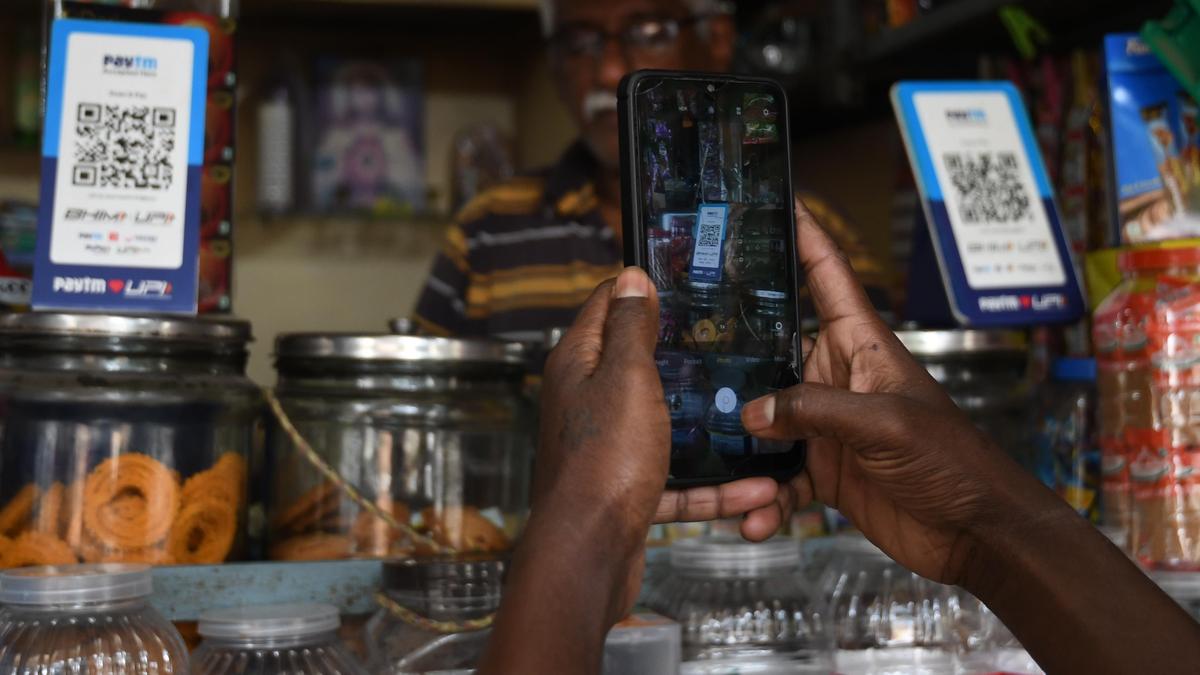
Money moved over India's Unified Payments Interface has cost users nothing so far, but that could change under the Taxation and Other Laws (Amendment) Bill, 2026, which would empower the government to…
Money moved over India's Unified Payments Interface has cost users nothing so far, but that could change under the Taxation and Other Laws (Amendment) Bill, 2026, which would empower the government to designate specific kinds of UPI payment as chargeable, The Hindu explained in a report on proposed edits to the Payment and Settlement Systems Act. Since 2020, rules have kept banks and UPI providers from levying a Merchant Discount Rate on UPI and RuPay debit card payments, with the state instead absorbing the cost of eligible low-value transactions, a subsidy that ran to Rs 3,631 crore in 2023-24. The Hindu's sources said any new charge is likely to fall on bigger merchants, specifically those with an annual turnover above Rs 1 crore to Rs 1.5 crore, on individual payments over Rs 2,000, somewhere in a range of 0.25 percent to 0.4 percent. As of publication, none of that, the underlying policy, the turnover cutoff or the rate, had been finalised or announced.
Indian Opinion Analysis
The Bill only creates the legal room for the government to notify a charge later, it does not itself set who pays or how much, and the fee sources described would sit on larger merchants processing bigger-value transactions rather than on ordinary users making small UPI payments day to day. The Hindu's own explainer says the fear is that merchants will in turn pass these charges on to customers. The size of the current subsidy, Rs 3,631 crore in a single year, shows how much the government already spends to keep UPI free. The thresholds sources gave The Hindu, turnover above Rs 1 crore to Rs 1.5 crore and payments over Rs 2,000 at 0.25 to 0.4 percent, are the numbers the government's notification will either confirm or replace.
Source: www.thehindu.com
This brief was synthesised by AI from the source linked above.