











Now Reading: Government rejects US ethanol imports as E20 concerns grow
-
01
Government rejects US ethanol imports as E20 concerns grow


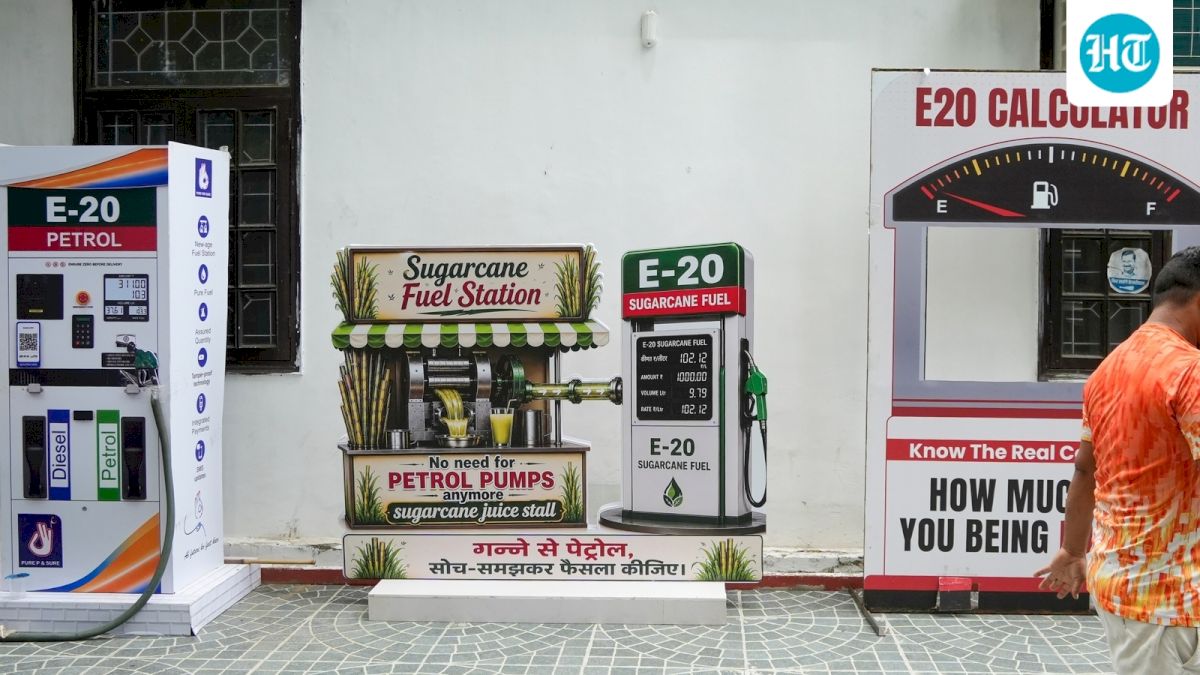
The Commerce Department said India has offered no concessions to the US on ethanol imports for fuel blending and is importing none from the US for that purpose. It said the programme…
The Story in Brief
The Commerce Department said India has offered no concessions to the US on ethanol imports for fuel blending and is importing none from the US for that purpose. It said the programme remains governed by domestic policy and supplied entirely by Indian producers. The clarification comes as the government promotes E20, petrol containing 20% ethanol, as the default fuel.
The Hindustan Times reported that SIAM withdrew a letter warning of possible chloride contamination, moisture and phase separation in E20 supplies. The industry body said its readings needed wider authentication and that existing measures met vehicle makers’ needs. The government maintains E20 is safe, does not damage engines and causes only a slight mileage reduction.
The Indian Opinion
Claims that E20 is either an effortless energy-security fix or an imminent engine killer are both too sweeping. The withdrawn SIAM letter does not establish a nationwide defect, but concerns about testing at petrol pumps deserve a clear answer. Consumers also need transparent information on which vehicles are compatible and what alternatives exist. The practical test is simple: publish independent fuel-quality results and track breakdowns, mileage and complaints as E20 use expands.
Sources (2): hindustantimes.com, thehindubusinessline.com
This story was synthesised by AI from the 2 sources linked above.
Updated: this story now draws on 2 sources.