












Now Reading: Zero forex cards save markup but hidden costs remain
-
01
Zero forex cards save markup but hidden costs remain


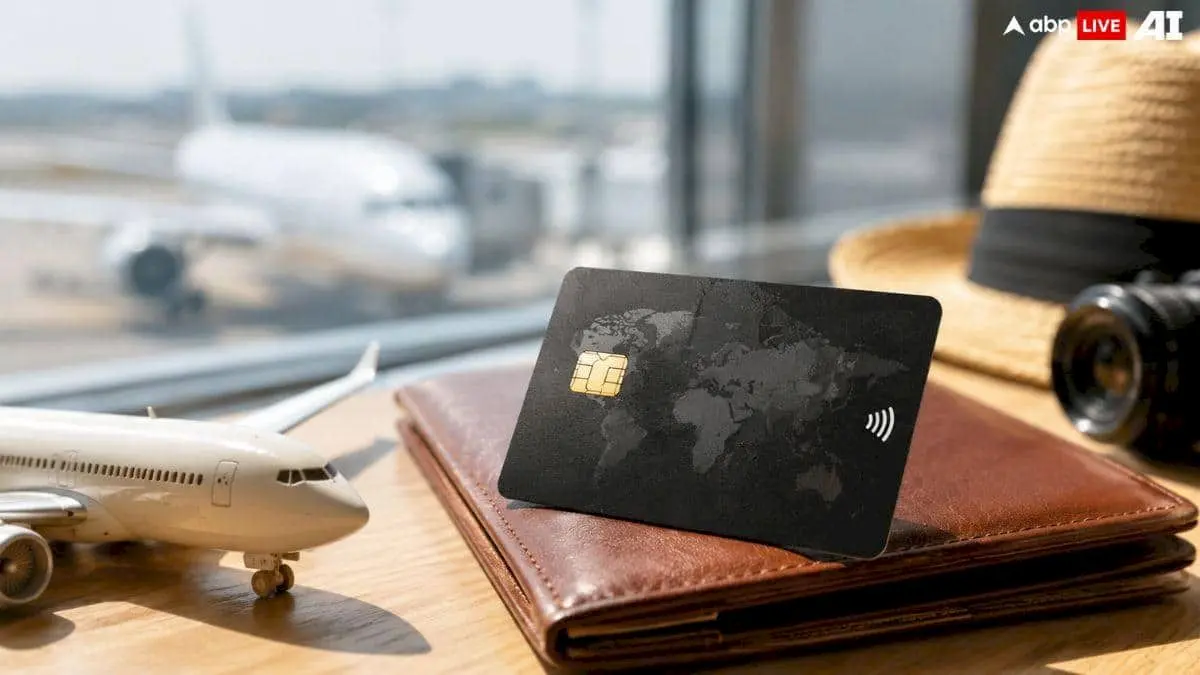
Zero-forex travel cards waive the 2% to 3.5% foreign currency markup, but that is only one cost. Indian travellers still face charges from dynamic currency conversion, overseas ATM withdrawals and annual fees.…
The Story in Brief
Zero-forex travel cards waive the 2% to 3.5% foreign currency markup, but that is only one cost. Indian travellers still face charges from dynamic currency conversion, overseas ATM withdrawals and annual fees. DCC happens when a terminal abroad offers to bill in rupees instead of the local currency, often at a worse exchange rate. Even on a zero-forex card, choosing rupees can add an extra markup. ATM cash withdrawals on some Niyo cards incur fees beyond free limits, while credit card cash advances attract immediate interest. An analysis by news.abplive.com advises travellers to always select local currency abroad and compare the total package, not just the zero-forex label, before choosing a card.
The Indian Opinion
The marketing around 'zero forex' cards makes overseas travel sound free, but that is a lazy shortcut. The real test is at the payment terminal abroad, where dynamic currency conversion can undo the saving in one tap. Travellers fixate on the headline markup and ignore exchange rates, ATM fees and annual charges. A card with a Rs 2,000 annual fee is no bargain for a single trip. The question to ask: what happens when you choose local currency instead of rupees? That single choice separates a genuine saving from a cleverly packaged cost.
Source: news.abplive.com
This story was synthesised by AI from the source linked above.