














Now Reading: Zomato, Swiggy corner train meals via IRCTC API tie-up
-
01
Zomato, Swiggy corner train meals via IRCTC API tie-up


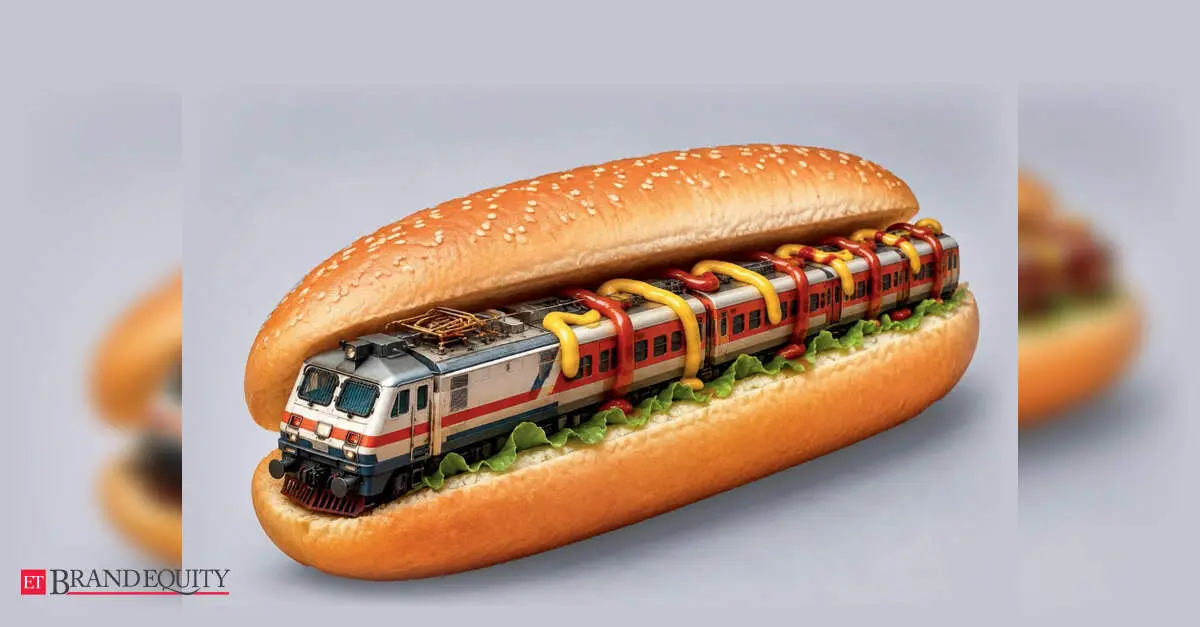
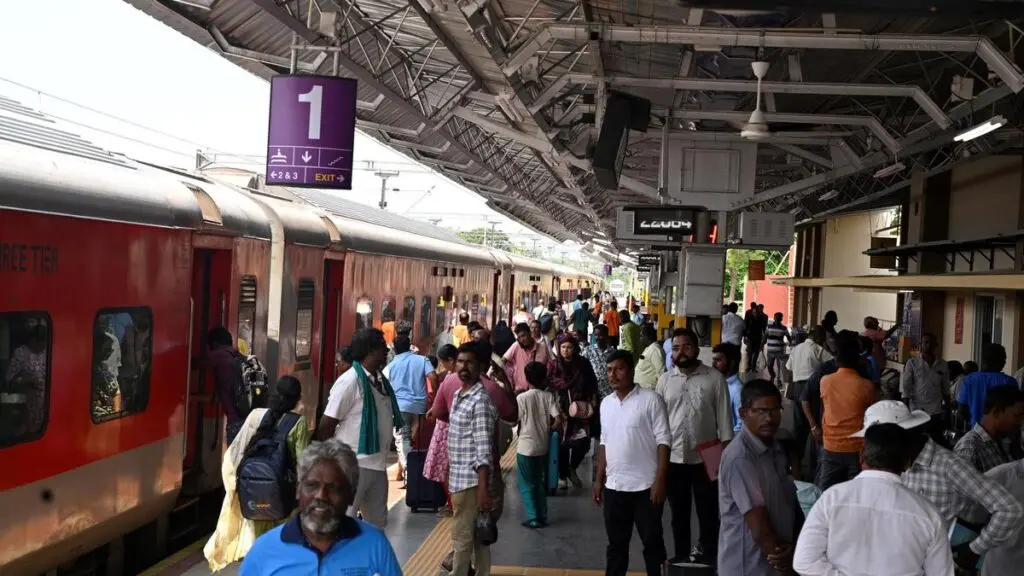
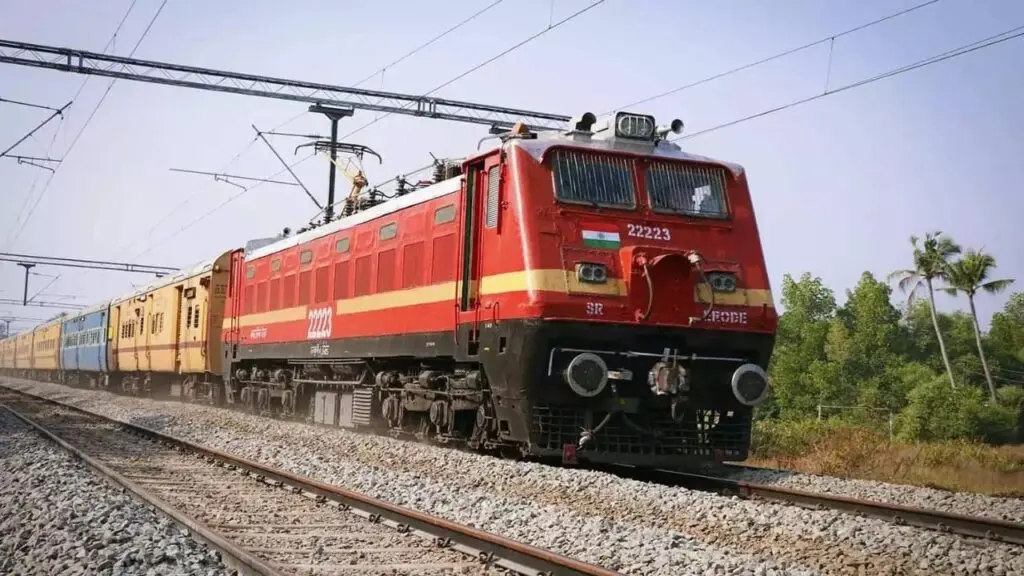
Food delivery platforms Zomato and Swiggy are rapidly capturing India's train meal market after IRCTC opened its e-catering API in late 2023. Zomato has expanded to over 250 stations with 100% year-on-year growth, while Swiggy now covers 180 stations, up from 66 in August 2024. Passengers order by entering their PNR, with 88% of Zomato orders placed four hours before departure.
Local delicacies are driving demand: pyaaz kachori tops sales at Jaipur junction, poha is a breakfast staple in Bhopal, and biryani variants dominate southern and central routes. Students and Gen-Z are the fastest adopters, with order spikes around university hubs like Kharagpur and Kanpur. Families spend the most on large combo meals. The shift ends the monopoly of railway pantry cars, as travellers opt for restaurant food over traditional platform snacks.
Indian Opinion Analysis
IRCTC's e-catering platform, launched in 2014, struggled for years with limited adoption and a clunky user interface. The 2023 API integration with Zomato and Swiggy solved the two biggest barriers: ease of payment and reach. For the platforms, railway passengers represent a high-frequency, under-tapped user base in a market where urban food delivery growth is slowing. The real shift is structural: IRCTC has effectively outsourced its catering business to private tech companies, turning stations into micro-fulfilment centres. The upcoming challenge is logistics, synchronising delivery windows with unpredictable train delays, which neither platform has solved at scale. The next data point to watch is station-level profitability: if these routes sustain margins, pantry-car contracts may become obsolete.
Source: brandequity.economictimes.indiatimes.com
This brief was synthesised by AI from the source linked above. Methodology and corrections.