














Now Reading: 140-year-old Jhansi weir gets global heritage status
-
01
140-year-old Jhansi weir gets global heritage status


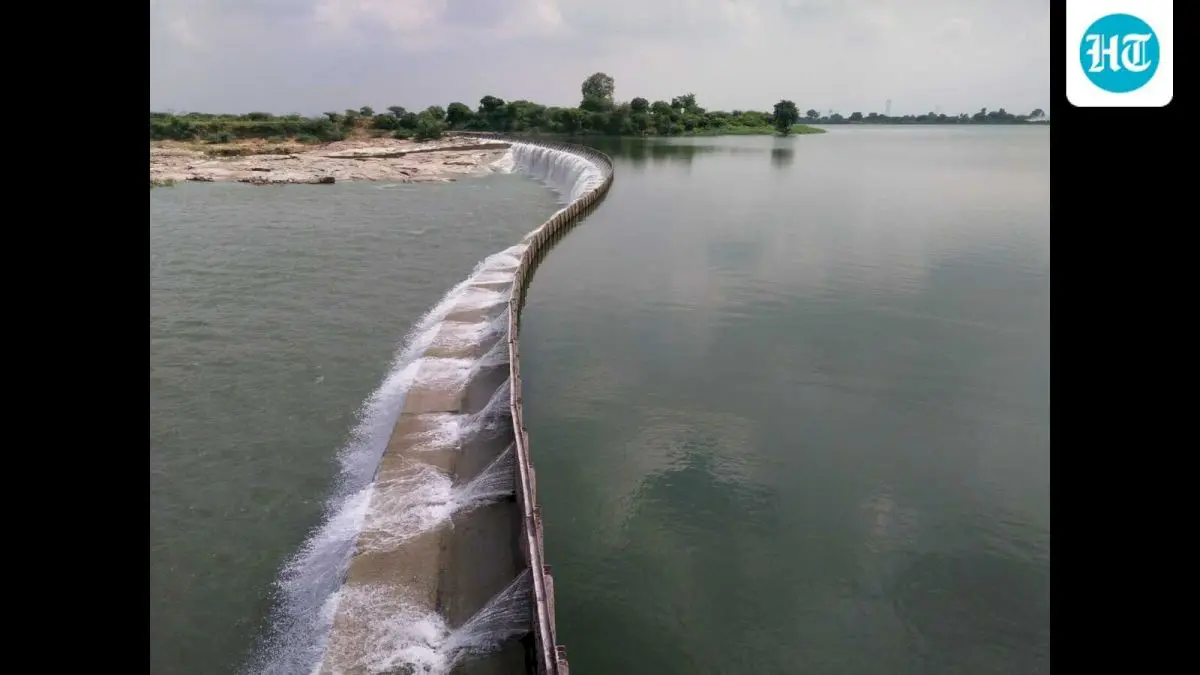
The International Commission on Irrigation and Drainage (ICID) has selected the Parichha Weir in Jhansi as a World Heritage Irrigation Structure. Built across the Betwa river in 1881 at a cost of…
The Story in Brief
The International Commission on Irrigation and Drainage (ICID) has selected the Parichha Weir in Jhansi as a World Heritage Irrigation Structure. Built across the Betwa river in 1881 at a cost of around Rs 40 lakh, the 1,174-metre-long weir continues to irrigate over 4.28 lakh hectares across five districts in Uttar Pradesh and Madhya Pradesh. The formal recognition will be presented in France in October during the 26th ICID International Congress.
Three other Indian irrigation structures have also received the honour this year. The weir, which features 318 steel shutters and rubble-stone masonry, was part of a canal system proposed by Captain Strachey in 1855 but delayed after the 1857 uprising. Its heritage listing highlights the enduring relevance of traditional water infrastructure. In 2022, another Jhansi structure, the Sukwa-Dukwan Weir, had also been included in the ICID heritage list.
The Indian Opinion
The Parichha Weir’s recognition is a rare moment where colonial-era engineering is celebrated without political baggage. The usual narratives of neglect or victimhood around Bundelkhand's water woes will now have to contend with a structure that has worked reliably for 140 years. The test is whether this global status leads to actual maintenance funds or remains a plaque on the wall. Will the Ken-Betwa link project damage the weir’s heritage character?
Source: hindustantimes.com
This story was synthesised by AI from the source linked above.