








Now Reading: Iran says Hormuz will stay closed until US changes behaviour
-
01
Iran says Hormuz will stay closed until US changes behaviour


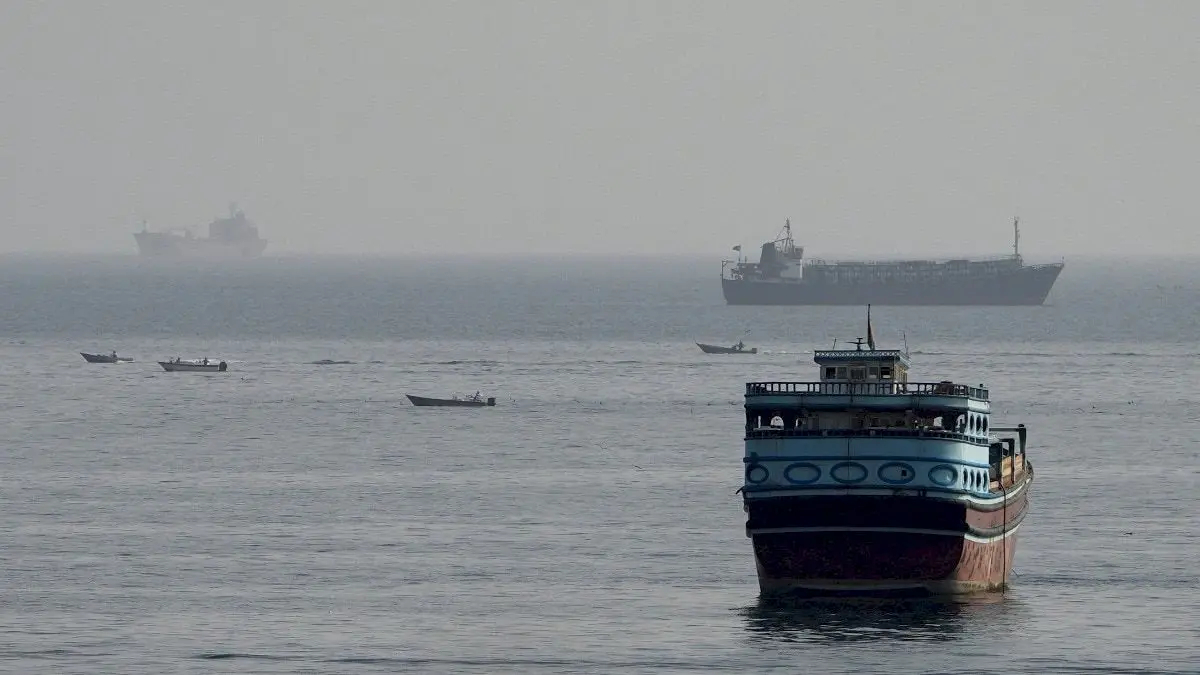
Iran's Supreme National Security Council said the Strait of Hormuz will remain closed until the US "corrects its behaviour", issuing new demands that include ending threats, permanent cessation of hostilities, lifting port…
The Story in Brief
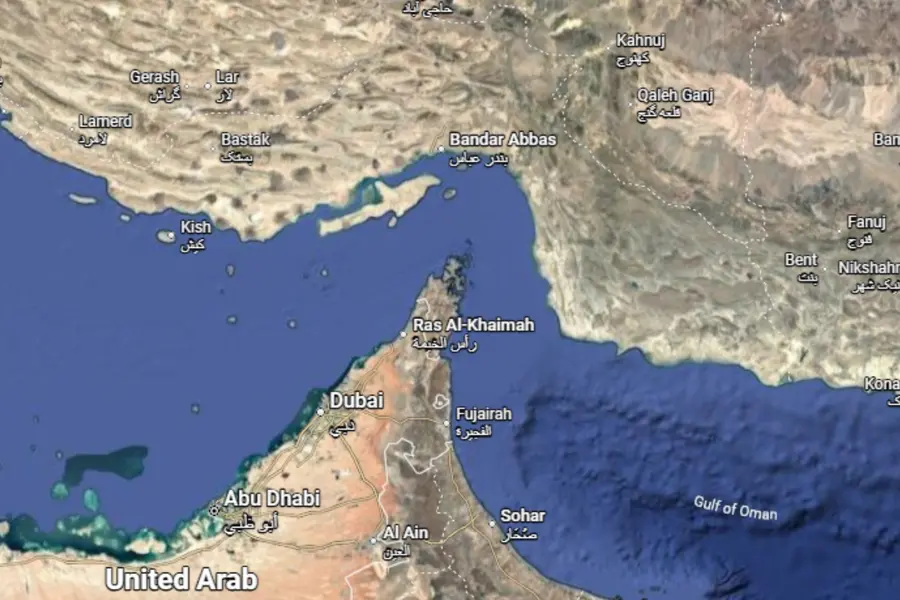
Iran's Supreme National Security Council said the Strait of Hormuz will remain closed until the US "corrects its behaviour", issuing new demands that include ending threats, permanent cessation of hostilities, lifting port blockades, paying war compensation, and releasing frozen assets. The statement came as Tehran and Oman said they were close to a temporary shipping arrangement, though Iran stressed full reopening depends on wider US concessions.
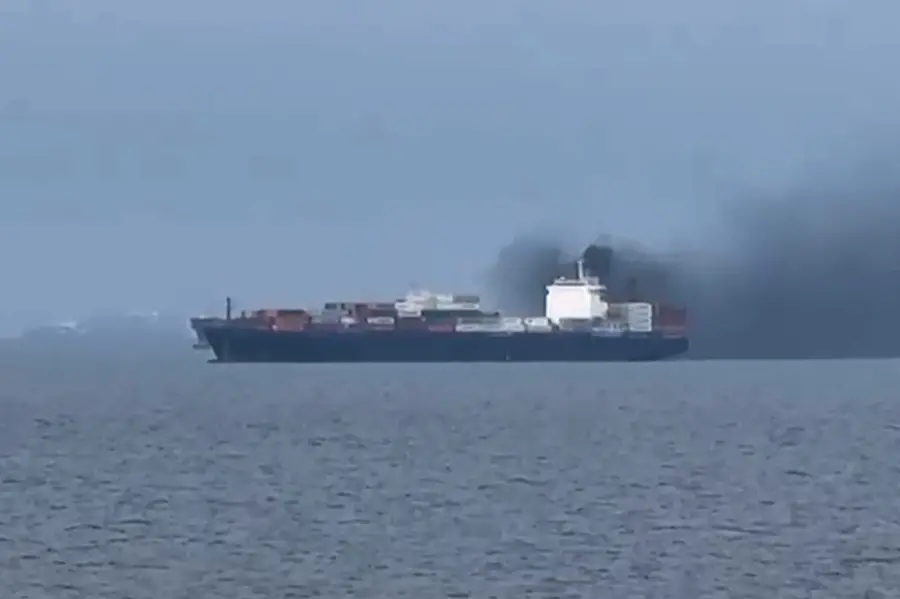
The UAE accused Iran of an "act of piracy" after an ADNOC-linked vessel was hit by a missile in the strait on Saturday, with no injuries reported. ADNOC said 15 of its ships have been attacked since the conflict began. US Vice President JD Vance said Washington is working to secure a safe shipping route and may lift its blockade of Iranian ports once an Iran-Oman deal is announced.
The Indian Opinion
The narrative that Tehran is merely holding Hormuz hostage for economic gain misses a deeper reality. Iran demands an end to US threats, compensation for war damage, and the withdrawal of US naval forces, linking shipping freedom directly to its own security. Neither side is blameless in the conflict, but Washington's continued blockade and Vance's talk of demining ignore that Iran controls the strait's geography. The real test lies in whether the US accepts Tehran's terms in an Iran-Oman deal. Until then, speculating on a deal's shape amounts to little more than wishful thinking.
Sources (5): indiatoday.in, english.mathrubhumi.com, english.mathrubhumi.com (2), greaterkashmir.com, timesnownews.com
This story was synthesised by AI from the 5 sources linked above.
Updated: this story now draws on 5 sources.