












Now Reading: NDMC chief apologises for Delhi waterlogging, vows drainage overhaul
-
01
NDMC chief apologises for Delhi waterlogging, vows drainage overhaul



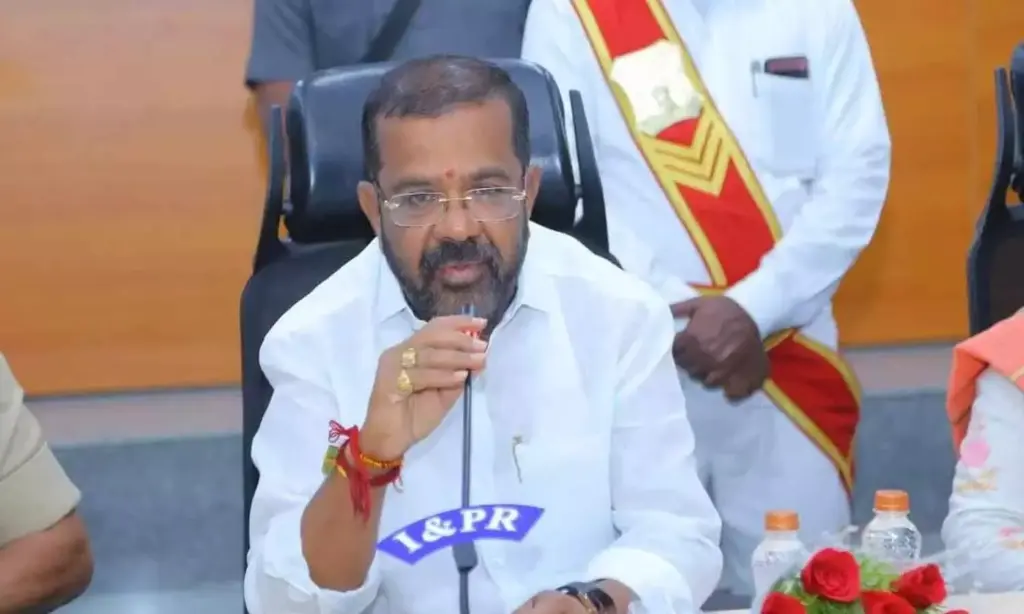
NDMC chairman Manoj Kumar Dwivedi apologised on Wednesday for waterlogging that hit central Delhi after 72 mm of rain fell in under two hours on Tuesday. Water took over an hour to drain in at least three to four locations, including Connaught Place and Shivaji Stadium. Dwivedi said the intensity was unexpected, but added, "This cannot be an excuse."
The Times of India reports that NDMC's drainage system is designed for about 15 mm of rain, while Safdarjung recorded 64.5 mm. Officials said 80% of desilting of a key PWD drain network is complete, with the rest due in 15 days. Dwivedi said the council will review its drainage infrastructure and complete upgrades before the next monsoon.
Indian Opinion Analysis
The NDMC chief's public apology is a rare official concession of failure, but the three Times of India reports frame it divergently. One leads with the infrastructural mismatch, 15mm pipes hit by 64mm rain, which implicitly blames design inadequacy and past underinvestment. Another foregrounds the apology itself and Dwivedi's promise to strengthen systems, softening the criticism. A third combines both but adds his admission that preparedness did not account for changing rainfall patterns. All omit any independent assessment of the council's long-term record or the financial allocation for drainage. The council's next monsoon deadline for the overhaul is the concrete test.
Coverage: 3 sources, 1 pro-government, 1 government-critical, 1 neutral
Sources (3): timesofindia.indiatimes.com (government critical), timesofindia.indiatimes.com (2) (pro government), timesofindia.indiatimes.com (3) (neutral report)
This brief was synthesised by AI from the 3 sources linked above, so one read covers every framing they carry. Methodology and corrections.
Updated: this story now draws on 3 sources.