












Now Reading: Four-tonne SpaceX rocket stage believed to have hit the Moon
-
01
Four-tonne SpaceX rocket stage believed to have hit the Moon


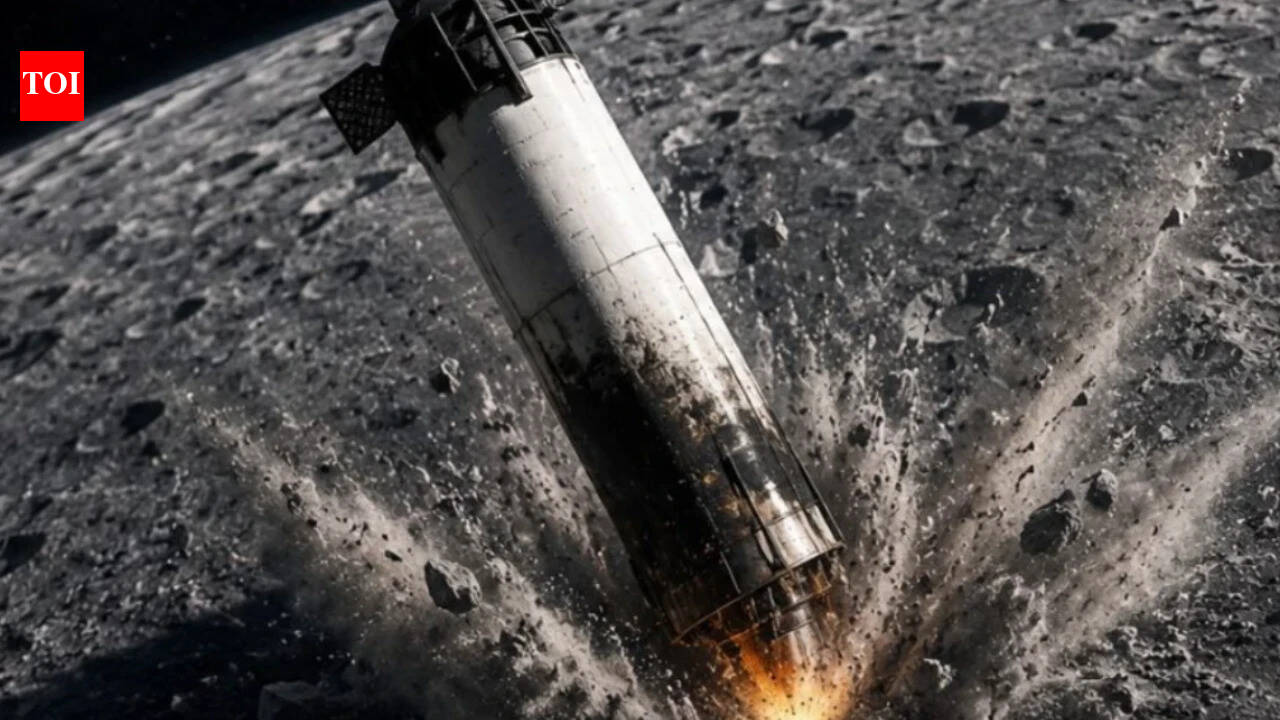
The Times of India reported that a roughly four-tonne chunk of a SpaceX Falcon 9 upper stage is believed to have slammed into the lunar surface near Einstein crater, on the Moon's…
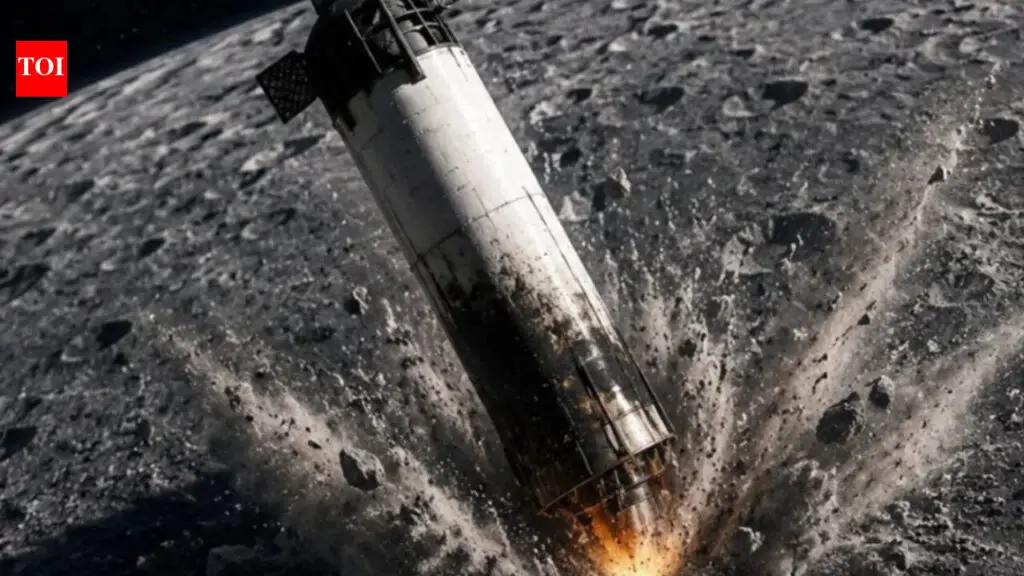
The Times of India reported that a roughly four-tonne chunk of a SpaceX Falcon 9 upper stage is believed to have slammed into the lunar surface near Einstein crater, on the Moon's western edge, at close to 8,690 kmph on Wednesday. Astronomers had already tracked the derelict stage, adrift since it lofted Firefly Aerospace's lander in January 2025 and vented its remaining fuel, onto a collision course with the Moon. US and South Korean lunar satellites are positioned to photograph the impact site, though the images may take days to arrive. SpaceX said the impact was unintentional, and SpaceX director Julianna Scheiman said NASA and SpaceX are discussing ways to prevent future lunar impacts. Bill Gray, creator of widely used astronomy software, who published a report on the stage's impact in April, said the impact does not present any danger to anyone, though it highlights what he called a certain carelessness about how leftover space hardware is disposed of.
Indian Opinion Analysis
The impact itself rests on tracked orbital data rather than a confirmed sighting, and Scheiman attributed the stage's path to a mixture of solar activity and gravity forces rather than any deliberate act. Gray's own remark about a certain carelessness in how leftover space hardware is disposed of is one expert's assessment, offered alongside his view that the impact presents no danger to anyone, not a finding either agency has confirmed. Photographs from the US and South Korean satellites, which may take days to arrive, would show the crash site astronomers are waiting to study.
Source: timesofindia.indiatimes.com
This brief was synthesised by AI from the source linked above.