














Now Reading: 44 dead as ferry capsizes on Zimbabwe’s Lake Kariba
-
01
44 dead as ferry capsizes on Zimbabwe’s Lake Kariba



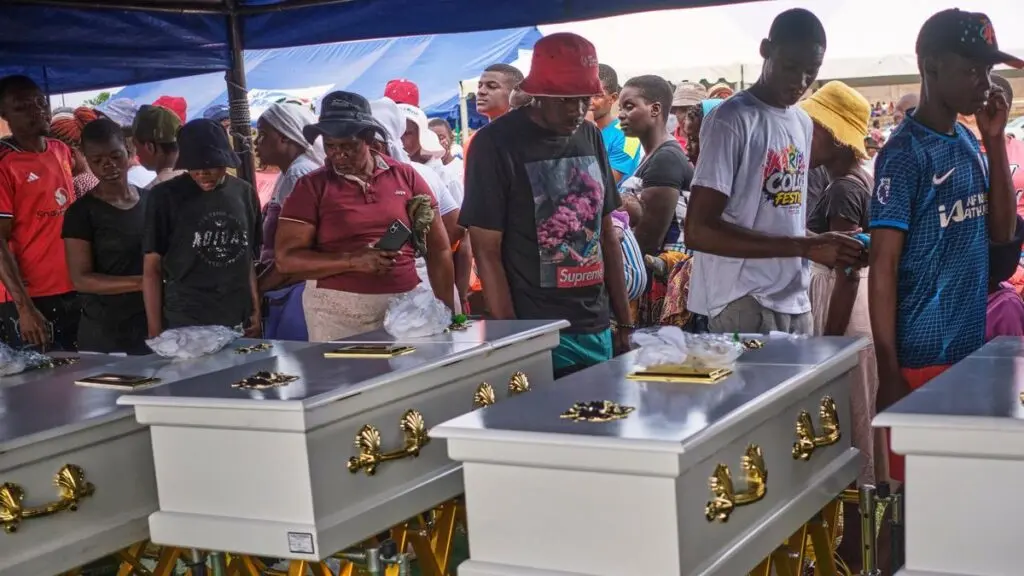
At least 44 people drowned after a government ferry capsized on Zimbabwe's Lake Kariba on Tuesday. The civil protection unit said 77 were rescued. The vessel was carrying 114 adults, five crew,…
The Story in Brief
At least 44 people drowned after a government ferry capsized on Zimbabwe's Lake Kariba on Tuesday. The civil protection unit said 77 were rescued. The vessel was carrying 114 adults, five crew, and children, exceeding its 90-person capacity. Survivors said passengers begged the driver to turn back in rough weather but he refused. The boat may have been taking on water before it sank.
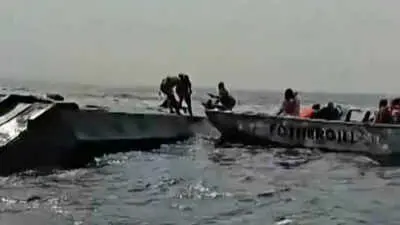
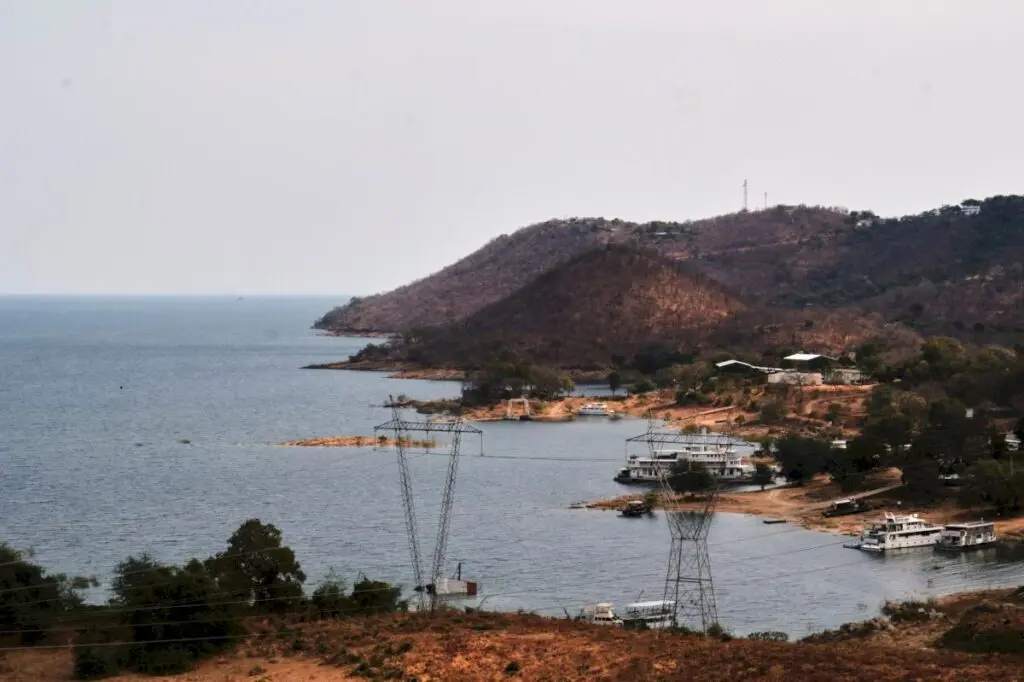
President Emmerson Mnangagwa declared the accident a national disaster and admitted serious gaps in maritime safety. Witnesses reported bodies floating as rescuers, aided by a helicopter, reached the upturned ferry. The lake, the world's largest man-made, borders Zambia. The ferry was a vital link for remote villages to the Kariba market town.
The Indian Opinion
The tragedy exposes a familiar pattern: profit and negligence overriding safety in public transport. Zimbabwe's president rightly called it a national disaster. But words must translate into action, mandatory life vests, capacity checks, and crew accountability. The question is not whether maritime rules exist but whether they will be enforced on the next crossing.
Sources (2): deccanchronicle.com, timesofindia.indiatimes.com
This story was synthesised by AI from the 2 sources linked above.
Updated: this story now draws on 2 sources.