














Now Reading: 90% of Hiroshima oysters die, threatening Japan’s supply
-
01
90% of Hiroshima oysters die, threatening Japan’s supply



Up to 90% of farmed oysters in Hiroshima Prefecture have died this season, far exceeding the usual 30-50% loss, the Times of India reports. The disaster has brought Japan's agriculture minister Norikazu…
The Story in Brief
Up to 90% of farmed oysters in Hiroshima Prefecture have died this season, far exceeding the usual 30-50% loss, the Times of India reports. The disaster has brought Japan's agriculture minister Norikazu Suzuki to the region, as Hiroshima produces nearly 60% of Japan's farmed oysters. Farmers like Tatsuya Morio and Shuji Yamane reported fewer than one in 10 oysters survived, forcing cancellation of gift orders through Kure's furusato nozei tax scheme.
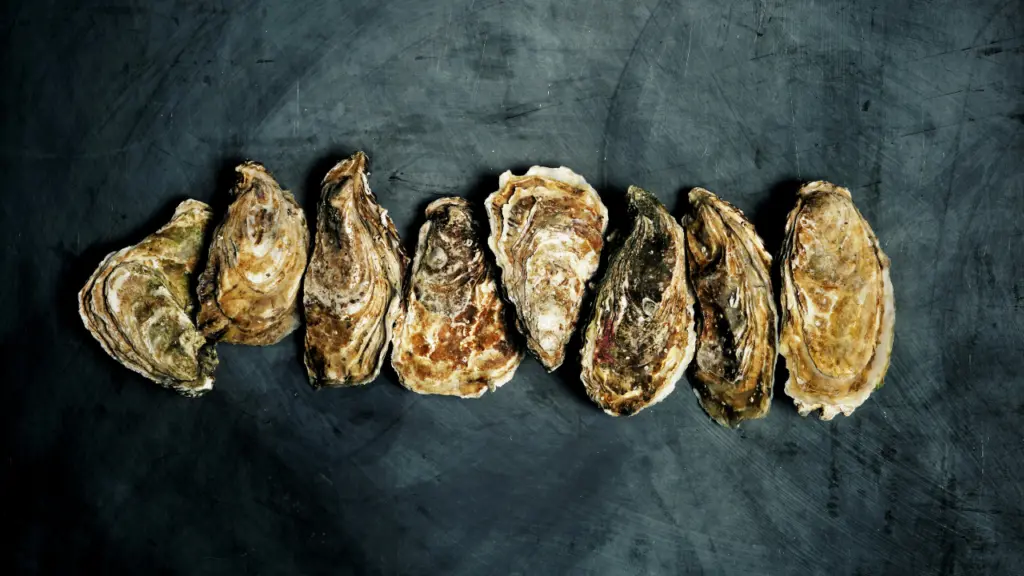
Officials are investigating causes including rising sea temperatures, reduced rainfall, high salinity and low oxygen. Professor Kazuhiko Koike of Hiroshima University links warmer waters to oxygen starvation near the seabed. Last year was Japan's hottest summer on record, at 2.36 degrees Celsius above normal. The government has introduced low-interest loans, but farmers say these do not address the root environmental cause.
The Indian Opinion
The usual narrative blames climate change alone, but that masks a harder reality: Japan's fisheries agency admits its relief loans are short-term fixes that do not touch the cause. The real test is whether Hiroshima can shift rafts to cooler, deeper waters as Professor Koike suggests, and how fast. If farmers return next season without adaptation, the same 90% die-off will repeat. So the question is not whether seas are warming, but whether Tokyo's response matches the scale of the loss.
Source: timesofindia.indiatimes.com
This story was synthesised by AI from the source linked above.