















Now Reading: Record heat ruins harvest in South Korea, Japan and Hong Kong
-
01
Record heat ruins harvest in South Korea, Japan and Hong Kong



South Korea recorded its hottest summer on record, with Yangsan hitting 42.5°C on August 2. A potato farmer in Gangwon province, Lee Sang-hyuk, found his crop destroyed, the tubers 'like boiled potatoes'…
The Story in Brief
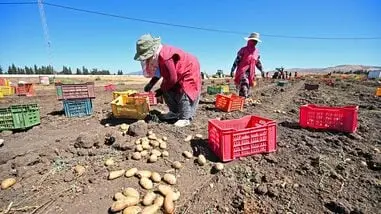
South Korea recorded its hottest summer on record, with Yangsan hitting 42.5°C on August 2. A potato farmer in Gangwon province, Lee Sang-hyuk, found his crop destroyed, the tubers 'like boiled potatoes' in the soil. At least 31 deaths, over 9 lakh livestock, and 14 lakh farmed fish have died, the disease control agency reported. President Lee Jae Myung called for an overhaul of the national crisis system, saying extreme weather is 'the new normal'.
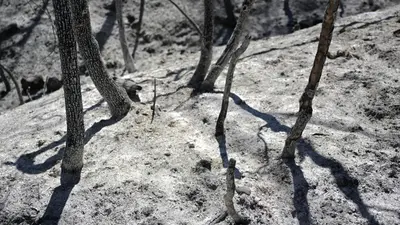
In Japan, temperatures hit 40°C or higher, and three lions died of suspected heatstroke at a Tokyo zoo. Researchers said the July heatwave would have been 'virtually impossible' without global warming. Hong Kong recorded 36.9°C, its highest since 1884. The city’s heat-stress warning for outdoor workers stayed at its lowest level, drawing criticism from a former observatory head. China’s Xinjiang recorded 50°C, and North Korea reported tropical nights in Pyongyang.
The Indian Opinion
Both sides are feeding a narrative of helplessness. Global warming is blamed universally, yet India saw its own heatwave responses falter. South Korea promises an 'overhaul of the national crisis system,' but Hong Kong’s heat-stress warning stayed at its lowest level even at a record 36.9°C. The test is not the temperature record but what a government does the next day. Will the Labour Department in Hong Kong actually lower the red warning threshold? That number, not the thermometer, will show if lessons are learned.
Sources (2): timesofindia.indiatimes.com, livemint.com
This story was synthesised by AI from the 2 sources linked above.
Updated: this story now draws on 2 sources.