















Now Reading: 94,000 government schools shut in last decade, report finds
-
01
94,000 government schools shut in last decade, report finds



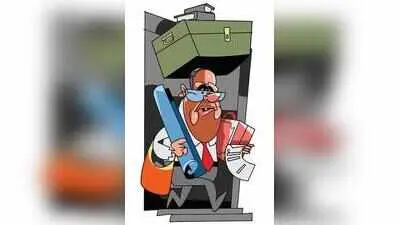
Some 94,000 government schools have been closed over the past 10 years, leading to a drop in overall enrolment and a rise in private school numbers, according to a recent report. The closures hit low-income rural and marginalised families hardest, as they rely on affordable neighbourhood public schools and the midday meals they provide. Increased walking distances to private schools are raising dropout rates, especially for young children and girls.
The Education Ministry's share of the Union Budget fell from 4.6% in 2013-14 to 2.5% in 2025-26. The Skill Development Ministry's allocation dropped from 0.06% of the budget in 2015 to 0.05% in 2025-26. Rural healthcare also suffers: over 80% of specialist doctors practice in cities, urban areas have twice the hospital beds per capita, and PHCs face severe medicine shortages and understaffing.
Indian Opinion Analysis
The decline in education funding comes despite the 2009 Right to Education Act guaranteeing free and compulsory schooling. The 2020 National Education Policy had proposed raising public education spending to 6% of GDP, a target never met. The health budget share for rural areas has similarly fallen, though the 2017 National Health Policy recommended 2.5% of GDP for public health. The concurrent closure of government schools disproportionately affects Scheduled Caste and Scheduled Tribe children, who rely most on public schooling. The 2023 Economic Survey noted 1.5 lakh vacant teacher posts in rural schools. The government's own NITI Aayog has flagged rural healthcare infrastructure gaps, with 8,000 PHCs lacking a doctor. The next full budget in July 2025 will show whether these allocations change.
Source: thefederal.com
This brief was synthesised by AI from the source linked above. Methodology and corrections.