










Now Reading: African Great Lakes hold over a quarter of Earth’s surface freshwater
-
01
African Great Lakes hold over a quarter of Earth’s surface freshwater


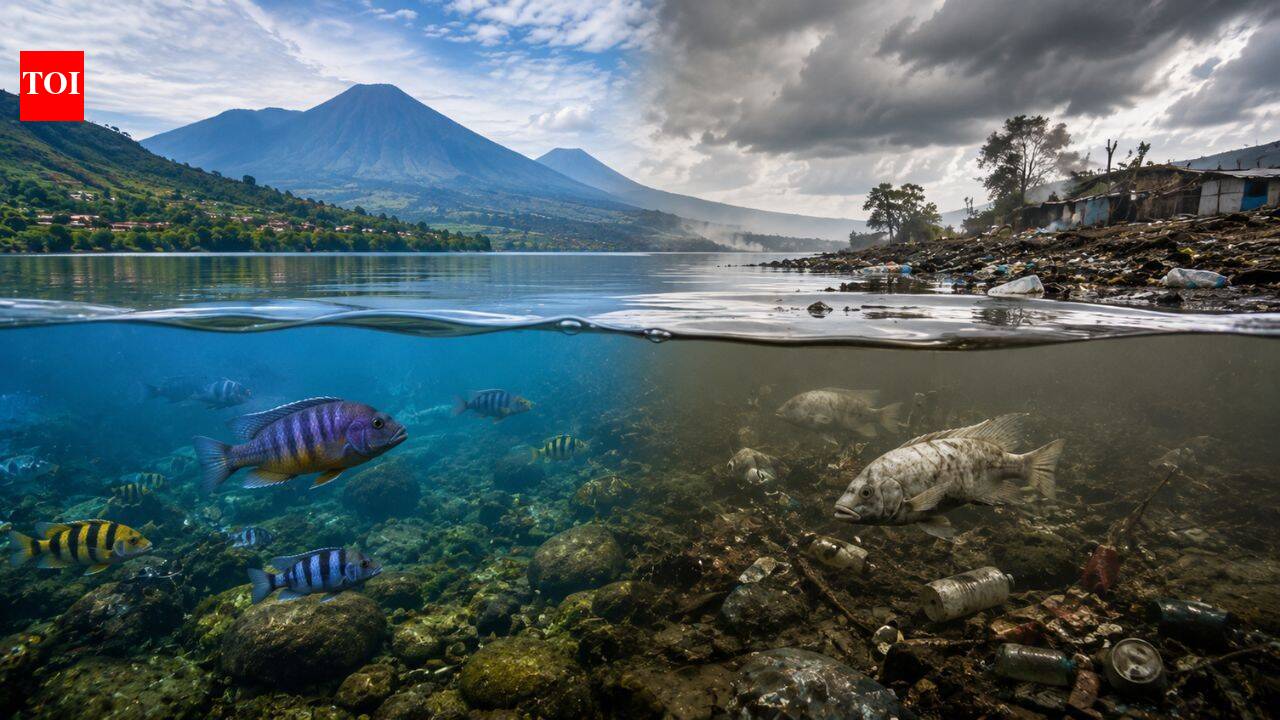
More than a quarter of the planet's surface freshwater sits in the African Great Lakes, a system that sustains over 50 million people spread across ten countries, Times of India reported. The…
More than a quarter of the planet's surface freshwater sits in the African Great Lakes, a system that sustains over 50 million people spread across ten countries, Times of India reported. The lakes feed some of the continent's largest rivers, among them the Nile, the Congo and the Zambezi, support local food supplies and livelihoods, and are home to upwards of 10 percent of all freshwater fish species found worldwide. By surface area, Lake Victoria ranks as the world's second largest freshwater lake, while Lake Tanganyika sits second globally for both depth and volume. Drawing on more than two decades of research contributed by over 1,000 scientists, a Nature-published assessment identified the waters around Lake Victoria as home to the highest concentration of threatened freshwater species anywhere in the system, including close to a third of the region's freshwater crabs, crayfish and shrimp, with fish, dragonflies and damselflies also under pressure from pollution, overfishing, deforestation, land conversion, water extraction, dams and a changing climate.
Indian Opinion Analysis
An assessment spanning seven lakes and ten countries makes a strong case that this freshwater system deserves far more attention than it usually receives, but the pressures listed, pollution, overfishing, deforestation, dams and climate change, are described at a regional level rather than lake by lake, so the scale of risk to any single lake is hard to judge from this account alone. The finding that freshwater crabs, crayfish and shrimp face the highest threat concentration around Lake Victoria specifically is the one place the assessment gets more granular, and it points to where conservation attention is most urgently needed. Coordinated action across the ten countries that share these lakes, rather than a single regional plan, is the concrete step to watch for as a follow-up to the Nature assessment.
Source: timesofindia.indiatimes.com
This brief was synthesised by AI from the source linked above.