







Now Reading: Gelje Sherpa’s six-hour Everest rescue sparks recognition dispute
-
01
Gelje Sherpa’s six-hour Everest rescue sparks recognition dispute


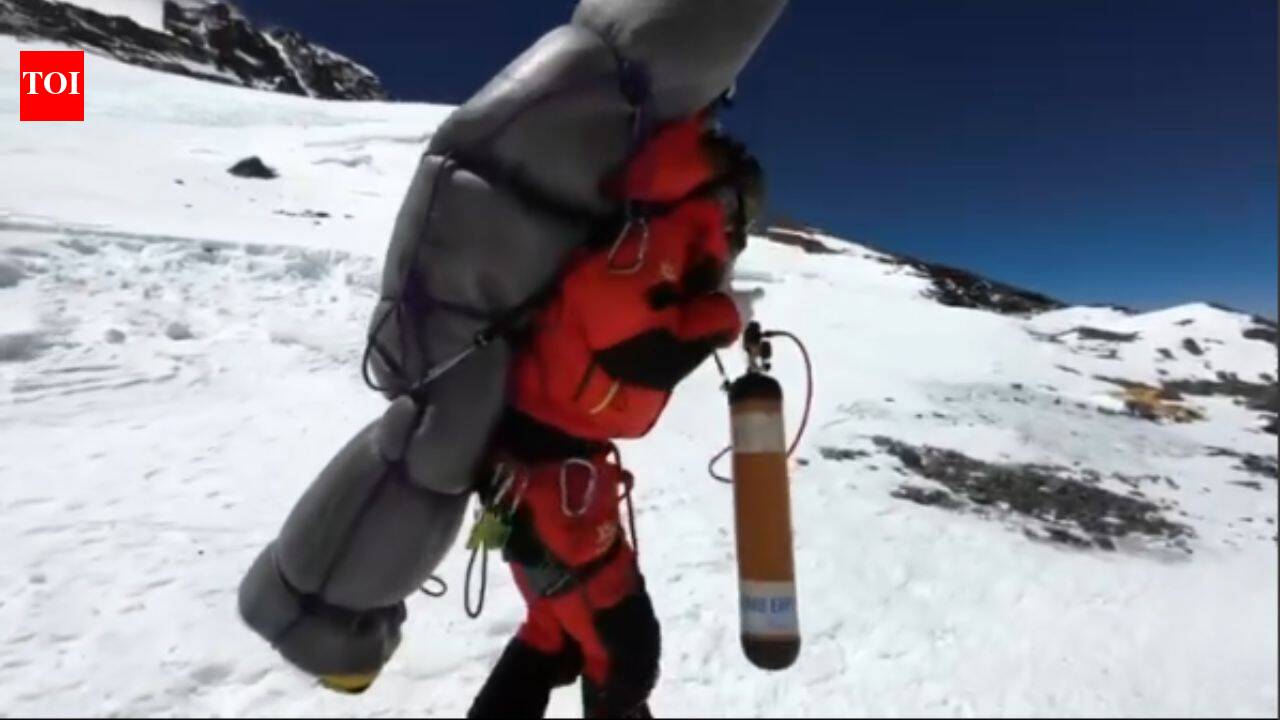
Times of India reported that Nepali guide Gelje Sherpa came across Malaysian climber Ravichandran Tharumalingam unable to continue near Everest's Balcony, inside the death zone, on 18 May. Gelje was on the…
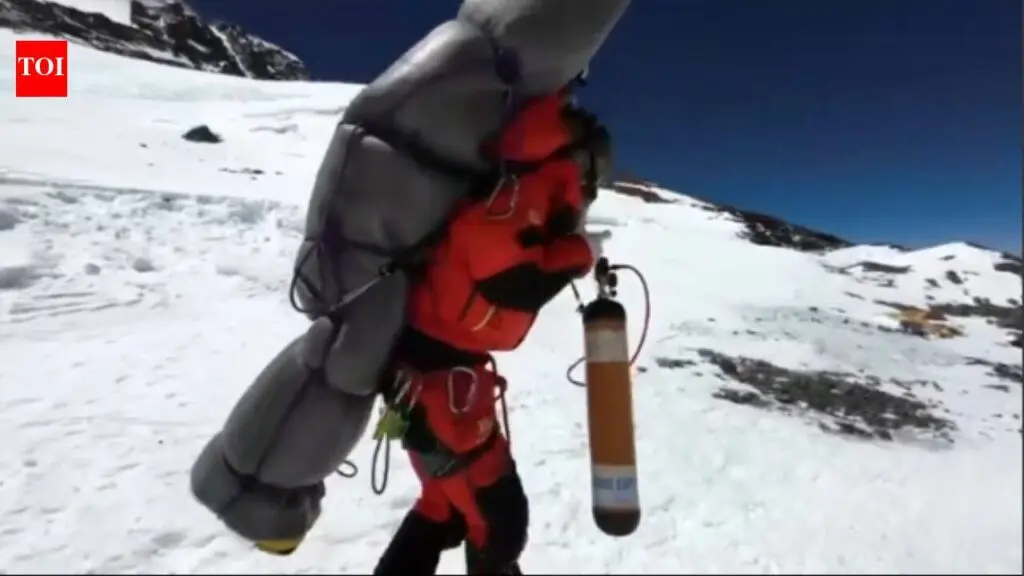
Times of India reported that Nepali guide Gelje Sherpa came across Malaysian climber Ravichandran Tharumalingam unable to continue near Everest's Balcony, inside the death zone, on 18 May. Gelje was on the mountain guiding a Chinese client at the time, he abandoned his own attempt to reach the summit and spent roughly six hours bringing Ravichandran down to Camp 4, where other guides took over and continued the descent to Camp 3 before a helicopter flew him out to hospital. In interviews he gave afterward, Ravichandran credited partner companies rather than Gelje by name, and faced online criticism accusing him of blocking Gelje on social media and deleting comments. He eventually acknowledged Gelje and the other guides by name in a later post. Exactly who coordinated each stage of the rescue, from the carry down to the helicopter flight, remains unclear from what has been reported so far.
Indian Opinion Analysis
The dispute is really about how credit for a life-saving rescue was distributed after the fact, and Ravichandran's later post naming Gelje and the other sherpas is the clearest on-record evidence that recognition eventually followed the earlier silence. The accusations that he blocked Gelje and deleted comments describe online conduct rather than the rescue itself. Gelje giving up his own summit attempt to carry another climber for six hours is the one part of the account that is not in dispute. Any further public statement from Ravichandran or Gelje on who organised the Camp 4 to Camp 3 handover would be the concrete next fact to confirm.
Source: timesofindia.indiatimes.com
This brief was synthesised by AI from the source linked above.