















Now Reading: Agent Orange affects rats’ great-grandchildren, study finds
-
01
Agent Orange affects rats’ great-grandchildren, study finds



A Washington State University study published in 2012 found that rats exposed to dioxin, the toxic contaminant in Agent Orange, passed on health defects to their great-grandchildren, even though those later generations…
The Story in Brief
A Washington State University study published in 2012 found that rats exposed to dioxin, the toxic contaminant in Agent Orange, passed on health defects to their great-grandchildren, even though those later generations never encountered the chemical. Pregnant rats received a tiny dose of TCDD, 0.1% of the lethal amount. Their direct offspring showed prostate and ovarian problems. But third-generation pups, exposed only through their ancestors' germline, developed kidney disease, polycystic ovaries and altered puberty.
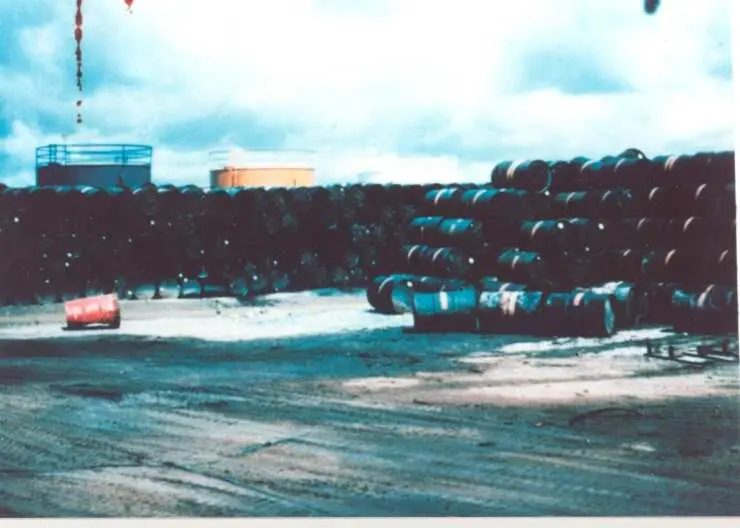
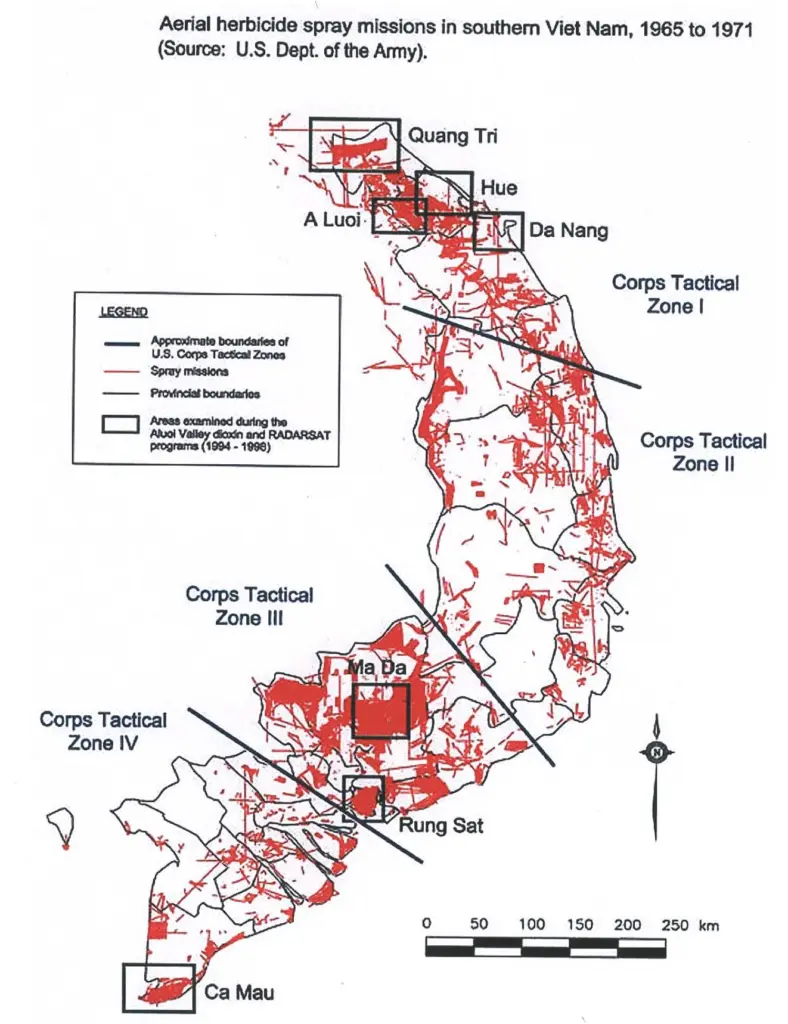
The findings suggest epigenetic changes, not genetic mutations, may transmit damage. The Times of India reports that the US sprayed nearly 19 million gallons of Agent Orange over South Vietnam, Laos and Cambodia between 1961 and 1971. Dioxin remains in the environment and enters the food chain. The study raises questions about whether human descendants of exposed Vietnamese civilians face similar long-term health burdens.
The Indian Opinion
The study is a stark reminder of war's long shadow, but it rests on animal experiments at doses far lower than human exposure. Too often, activist narratives treat rat data as proof of multigenerational harm in Vietnamese people, ignoring that no large-scale human epigenetic study has been done. The real test will be whether controlled human cohorts in Vietnam show similar reproductive and kidney disease patterns across three generations. Until then, the story remains science in progress, not settled fact.
Source: timesofindia.indiatimes.com
This story was synthesised by AI from the source linked above.