








Now Reading: AI can bridge healthcare gap, but faces barriers: report
-
01
AI can bridge healthcare gap, but faces barriers: report


Union Health Minister J P Nadda released a knowledge paper on Saturday at the India Medical Device 2026 event in New Delhi, titled 'AI in MedTech: Revolutionising Healthcare Through Artificial Intelligence'. The…
The Story in Brief
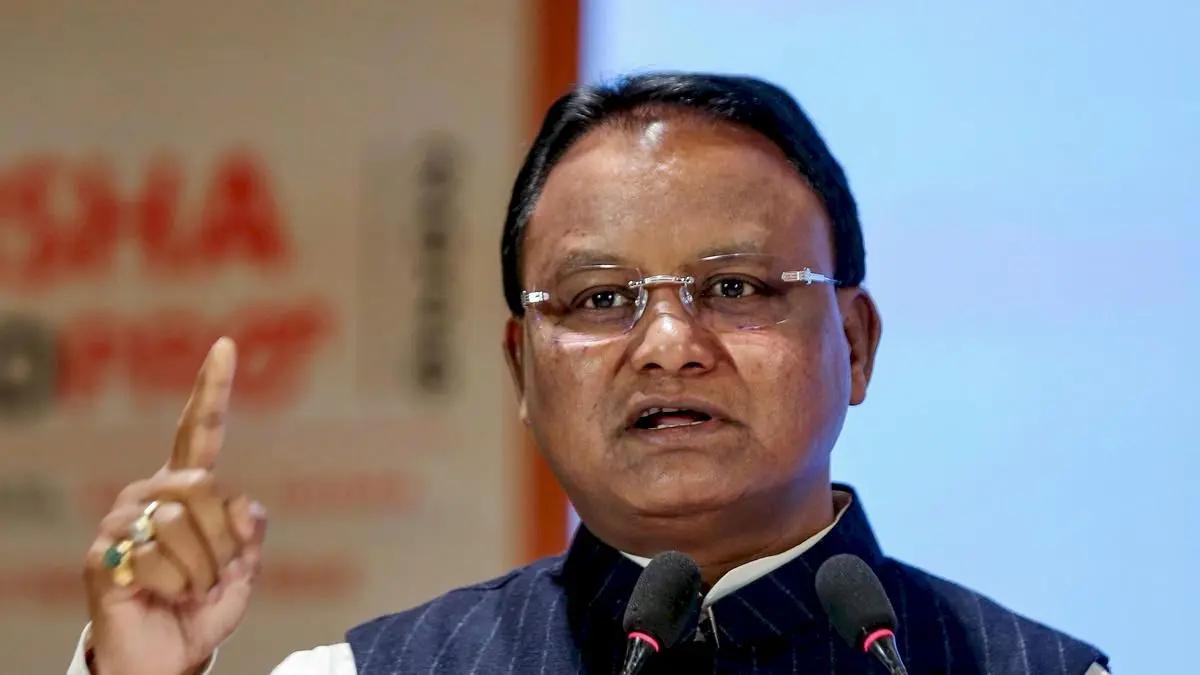
Union Health Minister J P Nadda released a knowledge paper on Saturday at the India Medical Device 2026 event in New Delhi, titled 'AI in MedTech: Revolutionising Healthcare Through Artificial Intelligence'. The report, jointly developed by Praxis Global Alliance and FICCI, says AI can help bridge India's healthcare gap by extending specialist expertise to underserved areas.

India has 9.6 doctors per 10,000 population against a global average of 18.3, and 15.9 hospital beds per 10,000 compared to 33 worldwide. The report identifies fragmented health data, evolving regulation, and inadequate reimbursement as three key barriers preventing AI-enabled MedTech from scaling beyond pilot projects. It calls for coordinated action among government, regulators, and industry.
The Indian Opinion
The paper sensibly avoids the hype that AI will replace doctors, instead framing it as a force multiplier. But the three barriers it flags, fragmented data, uncertain regulation, and no clear payment pathways, are precisely the kind of grinding problems that no single ministry can solve overnight. The real test is not whether another pilot succeeds, but whether India can actually link its Ayushman Bharat digital backbone with predictable rules and procurement that rewards outcomes, not just gadgets.
Sources (3): timesofindia.indiatimes.com, health.economictimes.indiatimes.com, businesstoday.in
This story was synthesised by AI from the 3 sources linked above.
Updated: this story now draws on 3 sources.