




















Now Reading: Gauhati HC: PAN card, voter ID alone not proof of citizenship
-
01
Gauhati HC: PAN card, voter ID alone not proof of citizenship


The Story in Brief
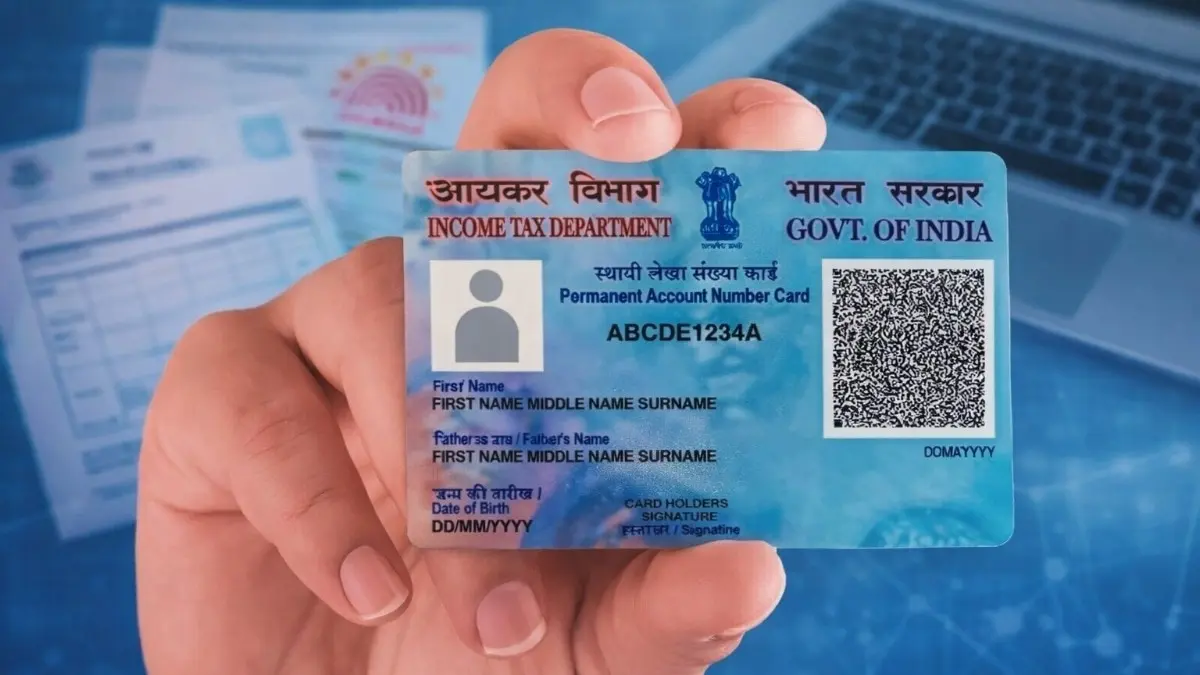
The Gauhati High Court has ruled that a PAN card and an Electoral Photo Identity Card (EPIC) cannot by themselves establish Indian citizenship unless supported by the underlying records used to issue them. A division bench of Justices Kalyan Rai Surana and Susmita Phukan Khaund dismissed a petition by Kulchan Begum of Darrang district challenging a 2018 Foreigners Tribunal order that declared her a foreigner who entered India after March 25, 1971.
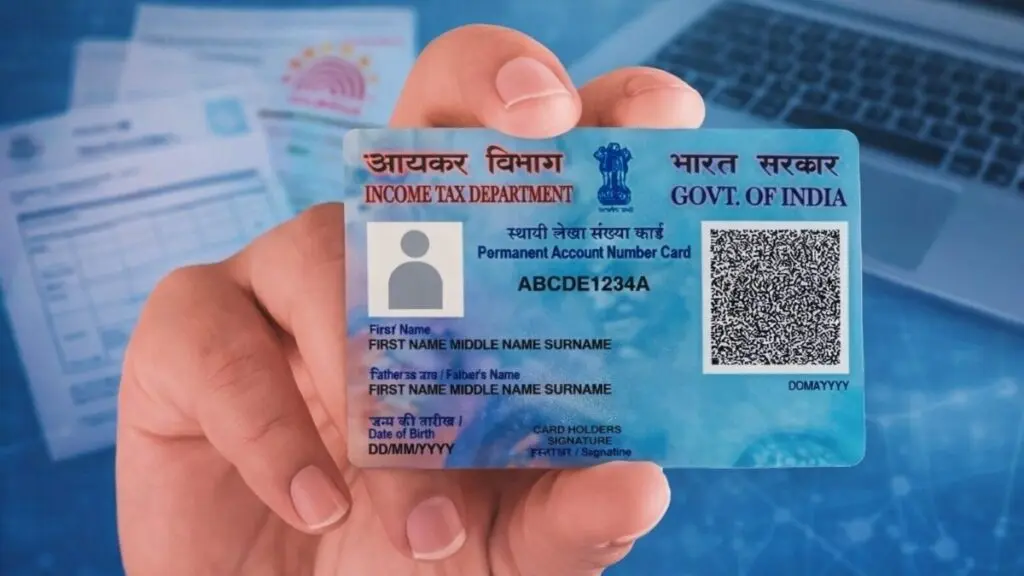
Begum had submitted electoral rolls, her father's PAN and voter ID, her own identity documents, a ration card and an NRC application acknowledgement. She also argued her father had contested parliamentary and assembly elections and served as a Guwahati municipal councillor. The court found discrepancies in electoral records and a 27-year gap in evidence of her family's residence in Assam, holding that none of the documents helped her discharge her burden under Section 9 of the Foreigners Act, 1946 to prove citizenship.
The High Court upheld the tribunal's findings, dismissed the petition and revoked Begum's interim bail granted in April 2022. The court noted identity documents are issued on self-application without formal inquiry by the issuing departments.
Indian Opinion Analysis
Both Business Today and Assam Tribune provide straight, neutral-report coverage of the Gauhati High Court judgment, with no discernible pro-government or critical slant. Both outlets lead with the same legal principle, quote the same court observation on PAN and EPIC not being proof of citizenship, and detail the same evidentiary gaps, the 27-year residence gap and the failure to prove family linkage. Business Today mentions the cut-off date of March 25, 1971, while Assam Tribune adds the procedural history of the reference being transferred from the Illegal Migrants Act to the Foreigners Tribunal system. The uniform reporting leaves no framing conflict, the key takeaway is the court's clear standard that identity documents require supporting records to establish citizenship. The Assam Tribune notes the tribunal's 2000 reference and the 2005 Supreme Court decision striking down the earlier law.
Coverage: 2 sources, 2 neutral
Sources (2): businesstoday.in (neutral report), assamtribune.com (neutral report)
This brief was synthesised by AI from the 2 sources linked above, so one read covers every framing they carry. Methodology and corrections.