






















Now Reading: AI compressing engineer seniority, says Meesho platform head
-
01
AI compressing engineer seniority, says Meesho platform head


AI is collapsing the time junior engineers need to reach senior roles, with fresh graduates now tackling high-value problems sooner, according to Kiran Kumar Katreddi, head of platform engineering and agentic AI at Meesho. Katreddi told The Economic Times that earlier a junior developer might need two years to get to a senior role, but AI tools have shortened that timeline by solving 10-20 problems in the same period where one or two were solved before. Senior engineers, he said, are shifting from writing code to systems-design thinking, focusing on architectures that let thousands of microservices work together reliably at scale.
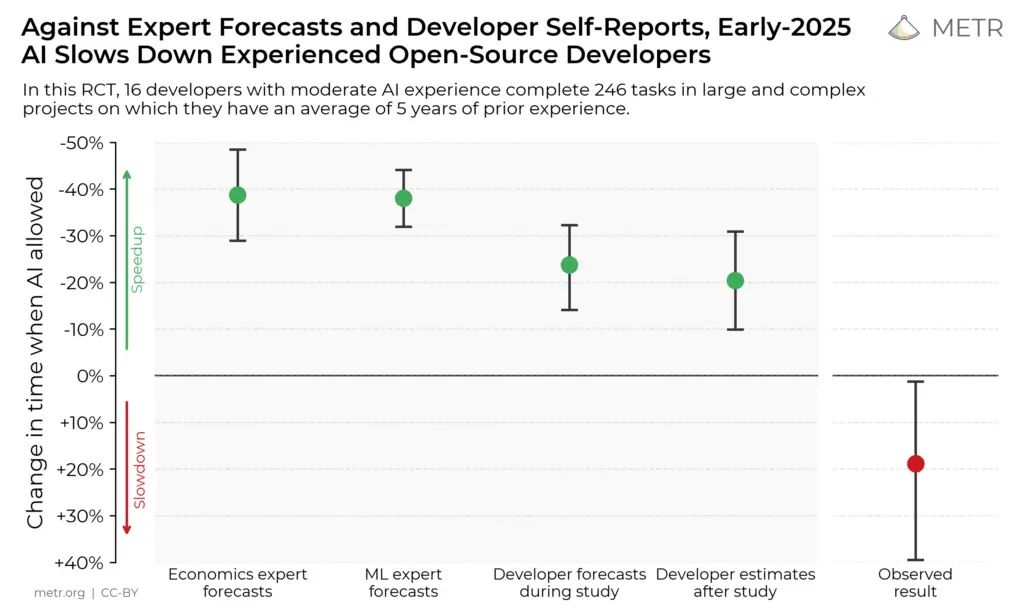
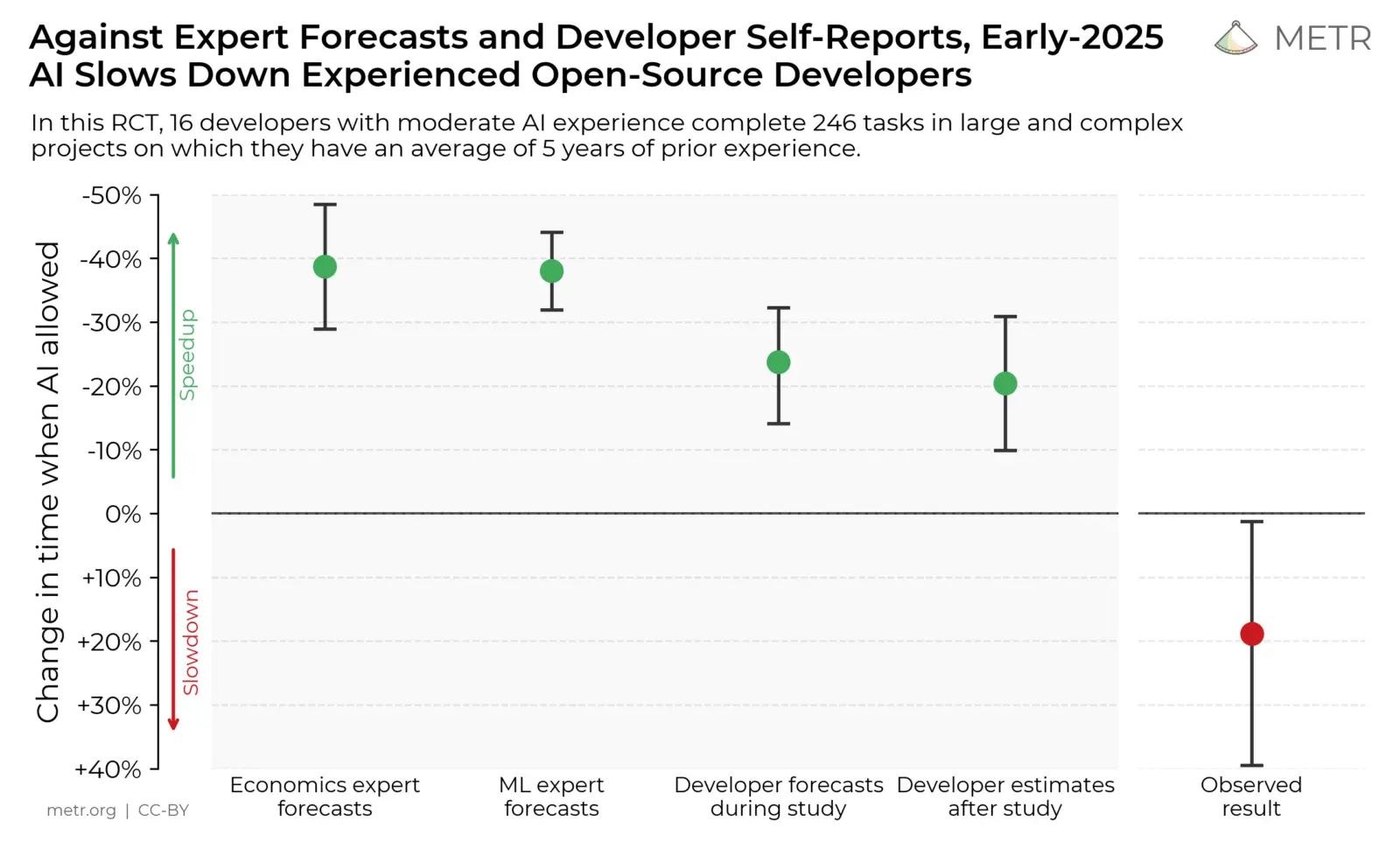
Meesho founder Vidit Aatrey's May 2026 shareholder letter claimed 70% of the company's code is now AI-generated, with more than 75% of orders coming through AI-driven feeds. The platform runs more than 6 trillion inferences daily across over 100 AI ranking models. Katreddi said Meesho has observed twice the productivity among its engineers with AI adoption, measured by experiments launched per cycle rather than lines of code. However, a 2025 randomised controlled trial by METR found experienced developers using early AI tools took 19% longer to finish work on their own code.
Indian Opinion Analysis
Seniority in Indian engineering has long been tied to years of experience and the number of bugs fixed or features shipped. If generative AI compresses that timeline, the ladder itself changes. Companies like Meesho are already redefining what a senior engineer does, moving from coder to architect of interconnected microservices. The real signal to watch is not the 70% AI-generated code claim, which is a company's own metric, but whether this shift becomes visible in hiring patterns: job postings that drop the years-of-experience requirement and instead ask for systems-design skill. The next data point is the productivity research. METR's 2025 trial found experienced developers were 19% slower with early AI tools, implying the current gains may come more from junior developers than veterans. If that finding holds, the compressing timeline might apply unevenly, leaving fresh hires steeper opportunities but seniors in a race to stay ahead of the architecture curve.
Source: economictimes.indiatimes.com
This brief was synthesised by AI from the source linked above. Methodology and corrections.