














Now Reading: AI Health Avatars Spread Misinformation Online, Report Warns
-
01
AI Health Avatars Spread Misinformation Online, Report Warns


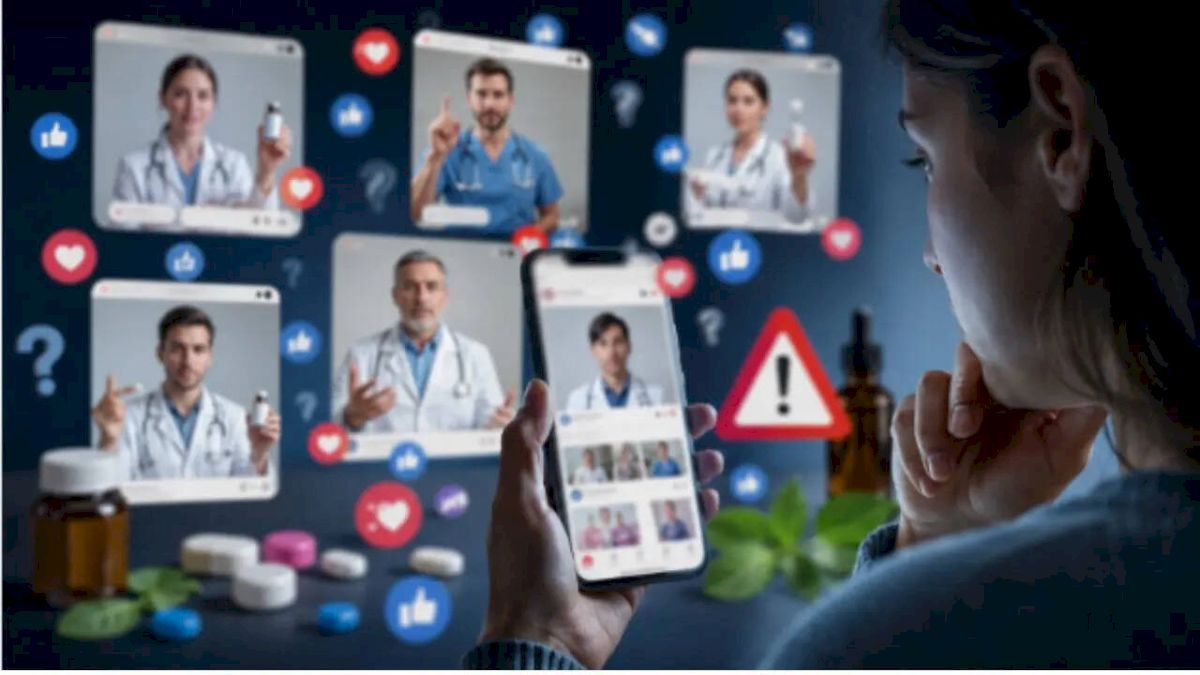
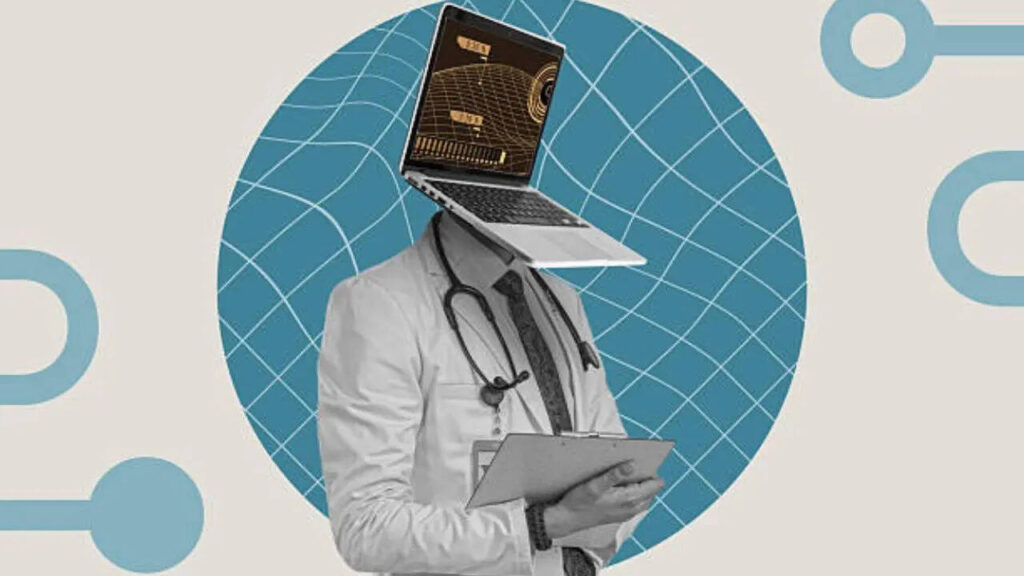
AI-generated doctors and viral wellness trends are spreading misleading health advice on social media, Times Now News reports. Realistic avatars in white coats can appear credible without proving medical expertise. The report…
The Story in Brief
AI-generated doctors and viral wellness trends are spreading misleading health advice on social media, Times Now News reports. Realistic avatars in white coats can appear credible without proving medical expertise. The report also cites the so-called “pink jelly” weight-loss treatment, which reportedly convinced at least one celebrity despite lacking scientific evidence.
Readers are advised to verify medical credentials, check claims against multiple high-quality studies and consult trusted health agencies or professional associations. Warning signs include miracle-cure promises, paid supplements or courses, and advice to stop prescribed medicines. Personal stories may feel persuasive, but they cannot establish that a treatment is safe or effective for everyone.
The Indian Opinion
The lazy narrative is that every AI health video is automatically fraudulent, while the opposite claim treats polished presentation as proof. Neither holds. Some digital tools can support health information, but anonymous credentials, miracle promises and commercial links deserve scrutiny. Platforms and regulators also carry responsibility, not just patients. The practical test is simple: can the claim be matched to licensed advice and credible research before anyone changes treatment?
Source: timesnownews.com
This story was synthesised by AI from the source linked above.